
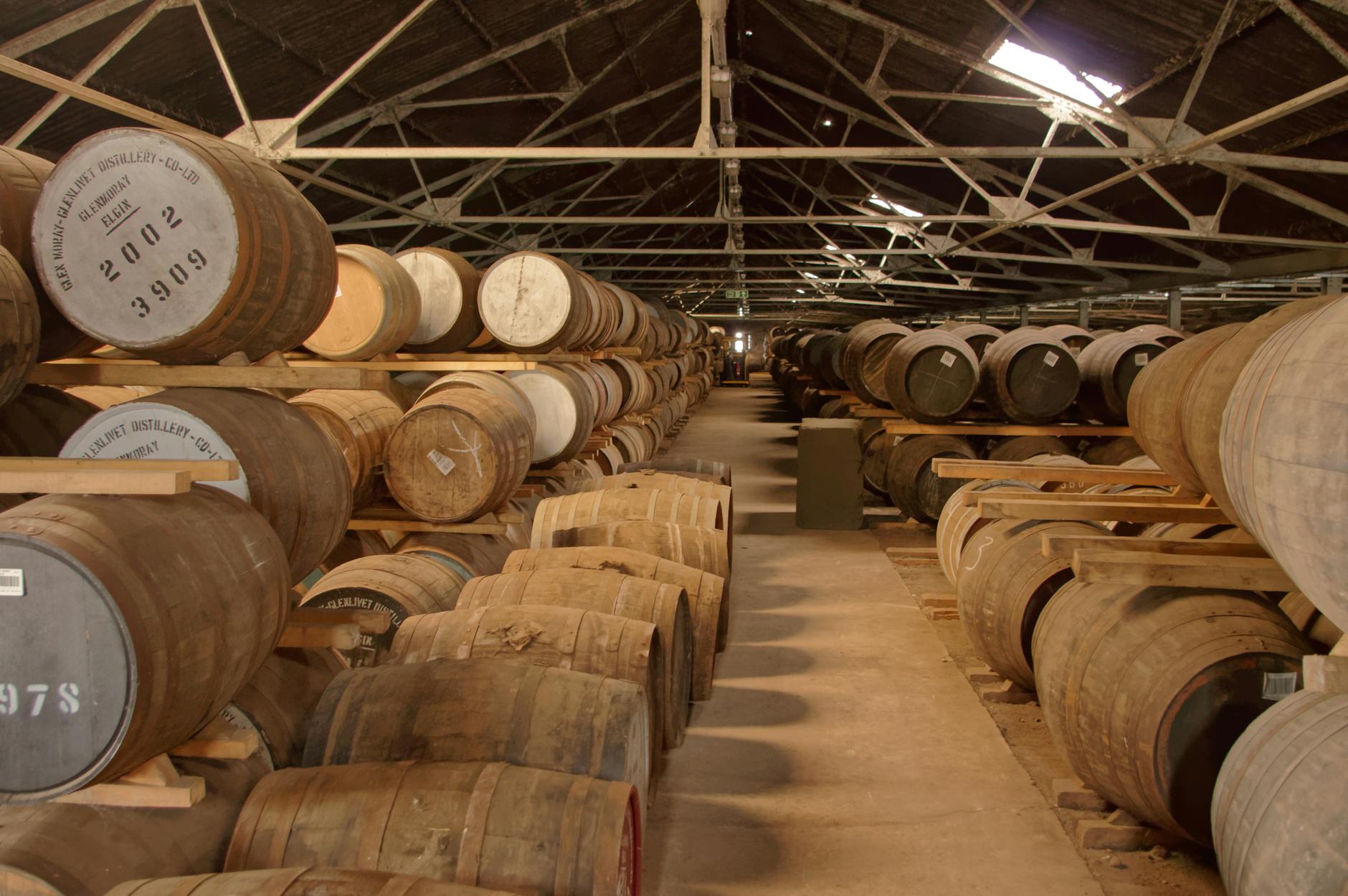
Merger talks between Brown-Forman and Pernod Ricard have ended without a deal. Both companies now face strategic decisions independently, with Pernod under activist pressure and Brown-Forman likely to pursue targeted acquisitions. Distillery-level moves and potential Scotch asset sales are the key things to watch.
Brown-Forman and Pernod Ricard deal talks collapse — what now for two spirits giants?
The whisky trade has been digesting the news that merger and acquisition talks between Brown-Forman and Pernod Ricard have ended without a deal. The collapse of negotiations between two of the world's most significant spirits groups removes what would have been one of the most consequential consolidations in industry history — one that would have reshaped bourbon, Scotch, and Irish whiskey portfolios simultaneously. For cask investors, distillery watchers, and trade buyers, the question is no longer what might have been, but what each company does next with its strategic ambitions intact and its war chest still available.
Brown-Forman, the Louisville-based group behind Jack Daniel's Tennessee Whiskey, Woodford Reserve, and Old Forester, has long been regarded as a potential acquirer of scale rather than a target. Its founding Brown family retains significant voting control, which historically insulated the business from hostile approaches. Pernod Ricard, meanwhile, carries an enormous whisky estate including The Glenlivet, Aberlour, Scapa, Royal Salute, and the Jameson Irish Whiskey franchise — a portfolio that any serious spirits group would covet. The prospect of combining these two houses would have created an entity capable of challenging Diageo's dominance across nearly every major whisky category.
What each company is sitting on — and what they might want
Brown-Forman's position following the failed talks is one of relative strength but acknowledged strategic pressure. The company has faced headwinds in recent quarters as American whiskey demand softened from its post-pandemic highs, and its core Jack Daniel's brand has been navigating a more competitive bourbon and Tennessee whiskey shelf. The group has capital to deploy and a track record of bolt-on acquisitions — it bought Diplomatico rum and has shown appetite for premium spirits beyond its Tennessee heartland. A targeted acquisition of a Scotch or Irish whiskey asset could now become more plausible as an alternative to the grand merger that did not materialise.
Pernod Ricard's situation is more complex. The Paris-based group has been under pressure from activist investor Elliott Advisors, which has pushed for improved operational efficiency, portfolio rationalisation, and sharper capital allocation. The Brown-Forman talks, had they succeeded, might have resolved some of those pressures through scale and asset rebalancing. Without a deal, Pernod faces renewed scrutiny over whether its sprawling spirits portfolio is being managed with sufficient focus. Its Scotch whisky assets in particular — spanning everything from the mass-market Famous Grouse competitor territory to ultra-premium aged single malts — represent both a strength and a complexity that analysts have long debated.
Scotch and bourbon implications for the trade
For the Scotch whisky sector specifically, the failed deal carries meaningful signals. Pernod's Speyside and Highland assets, including The Glenlivet and Aberlour, had been the subject of considerable speculation regarding potential divestment as part of any rationalisation strategy. If Elliott's pressure intensifies and Pernod moves toward selling non-core assets rather than pursuing mega-mergers, individual distilleries or brand clusters could come to market. That would represent a significant opportunity for mid-tier acquirers, private equity-backed spirits groups, or even well-capitalised independent bottlers looking to secure distillery ownership.
On the bourbon side, Brown-Forman's renewed independence means its American whiskey strategy will be defined internally rather than through integration. Woodford Reserve has been one of the more successful premium bourbon plays of the past decade, and there is credible room for the company to extend further into aged and allocated expressions. Cask investors with exposure to American whiskey should note that a standalone Brown-Forman remains a price-setter in the premium bourbon segment, with little immediate pressure to discount or liquidate inventory.
The wider M&A picture for whisky
The Brown-Forman and Pernod episode is a reminder that even the most logical-looking deals on paper can stall on valuation, governance, or shareholder dynamics. The broader M&A environment for whisky remains active, however. Diageo continues to assess its portfolio with characteristic discipline. William Grant and Sons, privately held, has been expanding its Scotch and American whiskey footprint. Suntory's ownership of Beam — including Maker's Mark and Laphroaig — gives it a cross-category position that neither Brown-Forman nor Pernod could fully match. For trade observers and investors, the real story now is not the deal that collapsed but the sequence of smaller, targeted moves that both companies are likely to make in its absence. Watch the distillery-level announcements, the brand licensing activity, and any movement in independent bottler relationships — that is where the next chapter of this story will be written.
Frequently Asked Questions
Why did Brown-Forman and Pernod Ricard deal talks collapse?
The specific reasons behind the breakdown have not been publicly confirmed by either party. Industry observers point to potential disagreements over valuation, the complexity of combining two family-influenced or shareholder-sensitive ownership structures, and the sheer scale of regulatory approvals such a merger would have required across multiple jurisdictions.
Which whisky brands would have been affected by a Brown-Forman and Pernod merger?
The combined portfolio would have included Jack Daniel's, Woodford Reserve, Old Forester, The Glenlivet, Aberlour, Jameson, Royal Salute, Scapa, and Laphroaig among others — spanning Tennessee whiskey, bourbon, Scotch single malt, blended Scotch, and Irish whiskey in a single corporate structure.
Could Pernod Ricard now sell individual Scotch whisky distilleries?
It is plausible. With activist pressure from Elliott Advisors ongoing, Pernod may look to rationalise its portfolio rather than pursue transformative acquisitions. Scotch distilleries or brand clusters that do not align with its premium growth strategy could be candidates for divestment, which would attract significant interest from trade buyers and private equity.
How does this affect cask investors with Scotch or bourbon exposure?
In the short term, the failed deal removes a potential catalyst for rapid brand repositioning or production changes at the affected distilleries. For cask holders, stability at these producers is broadly neutral to positive. Longer-term, any asset sales by Pernod could shift distillery ownership and production strategy, which would be worth monitoring for those holding casks from its Scotch portfolio.
What acquisitions might Brown-Forman now pursue instead?
Brown-Forman has previously demonstrated interest in premium and super-premium spirits beyond its core American whiskey range. A targeted Scotch single malt acquisition, an Irish whiskey brand, or further expansion in aged rum are all credible strategic moves. The company has the balance sheet capacity to act, and the failed Pernod talks may accelerate its search for a more targeted deal.