
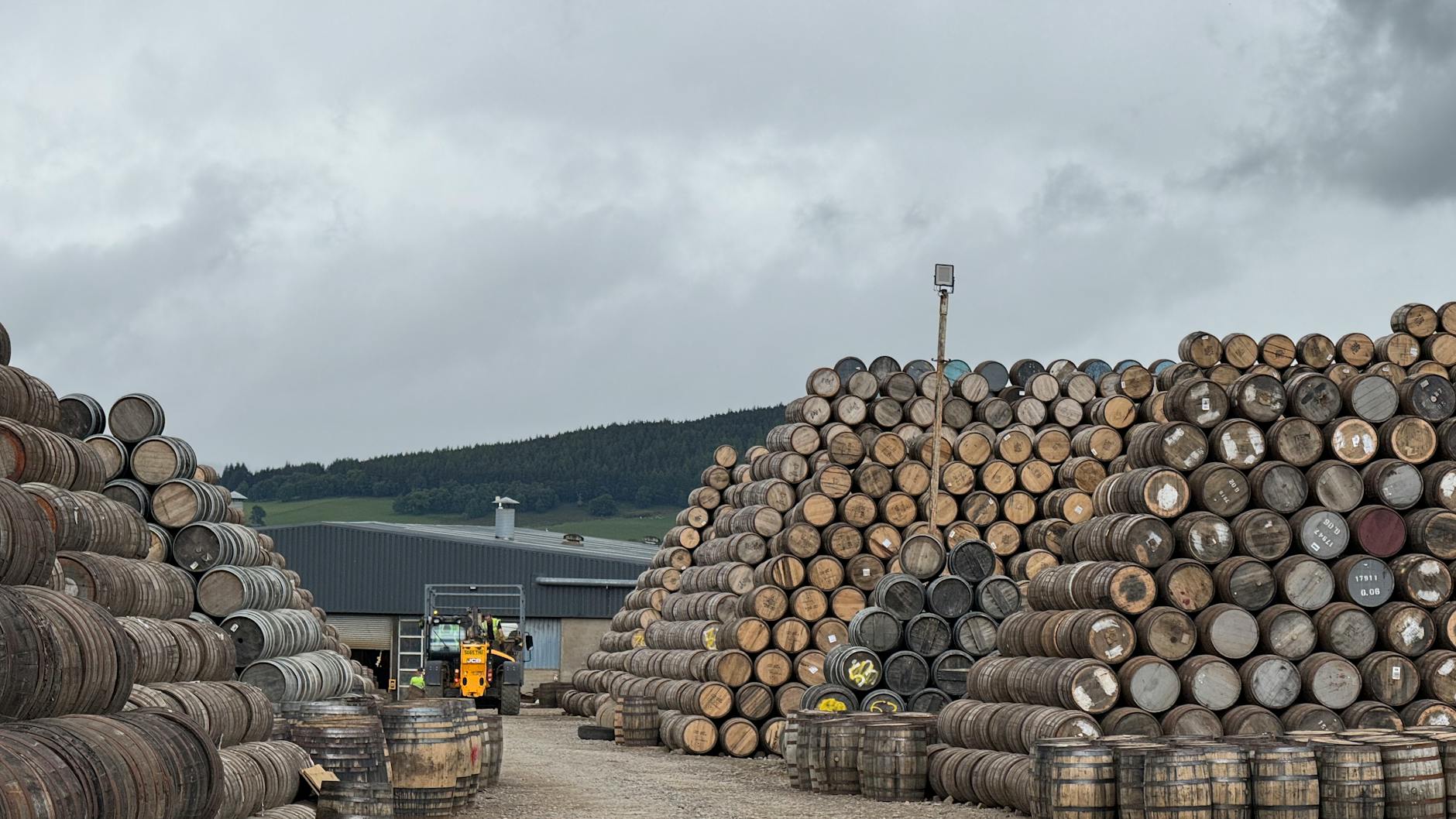
Spring 2026 competition results spotlight decorated Scotch single malts, bourbon, Japanese, and Taiwanese whisky. Medal performance drives retailer listings, export negotiations, and cask valuations — making award tracking a genuine trade intelligence exercise.
Award-Winning Spirits Making Waves This Spring
As the spring season draws serious drinkers back to outdoor pours and considered tastings, a fresh wave of award-winning spirits is commanding attention across the trade. Competition medals — particularly from credible judging panels — carry real commercial weight in 2026, influencing retailer listings, export conversations, and increasingly, the secondary market valuations of limited releases. For whisky buyers, collectors, and cask investors alike, knowing which bottles are earning top honours right now is not merely a lifestyle consideration; it is a market intelligence exercise.
This spring's standout decorated spirits span Scotch single malts, American whiskey, Irish expressions, and a clutch of world whiskies from Japan and Taiwan that continue to disrupt traditional category hierarchies. The breadth of recognised producers reflects a global spirits market that has matured considerably over the past decade, with distilleries outside Scotland and Kentucky now regularly outscoring heritage names at international competitions.
The Scotch Contingent: Single Malts Leading the Medal Table
Among the Scotch entries drawing recognition this season, Highland and Speyside expressions continue to dominate medal counts at competitions including the International Whisky Competition and the World Whiskies Awards. Distilleries that have invested heavily in wood management programmes — longer maturation in quality first-fill casks, experimentation with alternative finishes including Pedro Ximénez, Oloroso, and STR casks — are reaping the rewards in judging rooms. The correlation between wood investment and competition performance is not coincidental; it reflects years of deliberate production strategy.
Islay remains a perennial force, with several heavily peated expressions from both established distilleries and newer independents picking up gold and double-gold awards. The continued consumer appetite for smoke-forward whiskies, particularly in Asian export markets, means that decorated Islay releases carry disproportionate commercial momentum. For cask holders with peated new make maturing in bond, strong competition results from comparable producers provide useful benchmarks for pricing conversations with brokers and blenders.
American Whiskey and the Bourbon Premium
On the American whiskey front, several Kentucky and Tennessee producers have secured top-tier recognition at spring competitions, with high-rye mashbill bourbons and wheated expressions both performing strongly. The premium bourbon segment has seen sustained demand pressure over the past three years, and competition medals serve as credible third-party validation for brands seeking shelf space in crowded UK and European markets. Single barrel releases from mid-sized Kentucky distilleries are particularly well-positioned, combining provenance storytelling with genuine liquid quality that judges are rewarding consistently.
Craft American producers are also featuring more prominently in award lists, a trend that reflects both improving production standards and a more adventurous judging community. Some of the most interesting decorated expressions this spring come from distilleries operating outside the traditional bourbon belt, using locally sourced grains and non-standard maturation approaches that deliver genuinely distinctive flavour profiles rather than category-typical sweetness.
World Whisky: Japan and Taiwan Sustaining Momentum
Japanese whisky continues to collect medals at a rate that belies the category's ongoing supply constraints. Several expressions from both major Japanese producers and smaller regional distilleries have featured in spring award announcements, reinforcing the premium positioning that has made Japanese whisky one of the most actively traded categories on the secondary market. Collectors tracking auction results will note that decorated Japanese releases consistently outperform their original retail prices at resale, sometimes dramatically so within months of release.
Taiwanese whisky, led by Kavalan but increasingly supported by a second generation of island distilleries, is also posting strong competition results. The subtropical maturation conditions that accelerate flavour development in Taiwanese casks produce expressions that punch well above their age statements in competition settings, a factor that judges are now fully accustomed to accounting for. For trade buyers considering range expansion, award-decorated Taiwanese expressions represent credible additions that carry genuine consumer recognition.
Trade Context
The commercial logic behind tracking spring competition results is straightforward: medals drive retailer confidence, support export pitches, and provide pricing anchors for secondary market activity. Producers that invest in entering credible competitions — and win — generate tangible commercial returns that extend well beyond the certificate on the distillery wall.
- Category: Scotch Single Malt, Bourbon, Irish Whiskey, Japanese Whisky, Taiwanese Whisky
- Key competitions: World Whiskies Awards, International Whisky Competition, San Francisco World Spirits Competition
- Market implication: Medal results influence retailer listings, export negotiations, and secondary market valuations for limited releases
- Cask investor relevance: Strong competition performance from a distillery supports new make and maturing cask valuations from the same producer
Why It Matters
For the whisky trade, spring competition results are not background noise. They are actionable market data. Retailers use medal lists to justify premium shelf placements and margin conversations with suppliers. Exporters use them to open doors in markets where brand recognition is limited but quality certification carries weight. And for cask investors, the competition performance of a distillery's core range provides a credible proxy for the quality trajectory of liquid maturing in bond under the same production team.
The most decorated spirits of spring 2026 collectively signal several durable market trends: the continued premiumisation of aged single malts, the growing credibility of world whisky categories outside Scotland and the United States, and the increasing sophistication of judging panels that are rewarding genuine innovation over heritage alone. Serious buyers and investors would do well to cross-reference award lists with their own tasting notes and market intelligence before making purchasing or holding decisions — but dismissing competition results as mere marketing would be a mistake in the current environment.
Frequently Asked Questions
How do competition medals affect whisky cask valuations?
Strong competition performance from a distillery signals consistent production quality, which supports the valuation of maturing casks from the same producer. Brokers and buyers use award results as one of several benchmarks when pricing new make and maturing stock, particularly for distilleries without a long established secondary market track record.
Which competitions carry the most credibility in the whisky trade?
The World Whiskies Awards, International Whisky Competition, and San Francisco World Spirits Competition are widely regarded as the most credible international panels. Medals from these bodies carry genuine commercial weight with retailers and exporters. Regional competitions vary considerably in judging rigour and are generally treated with more caution by trade buyers.
Why is Japanese whisky still performing strongly at competitions despite supply constraints?
Japanese distilleries have maintained strict quality controls even as output volumes have been managed carefully to preserve aged stock. The expressions being released and entered into competition represent the best of maturing inventory, which means medal results reflect genuine liquid quality rather than volume production. Supply scarcity also keeps secondary market prices elevated, reinforcing the premium positioning that competition results support.
Are world whiskies from Taiwan and other non-traditional regions a credible trade category?
Yes, and increasingly so. Kavalan and other Taiwanese producers have accumulated enough international medal recognition over the past decade to be taken seriously by mainstream retailers and specialist importers. The category is now a standard feature of serious whisky retail ranges in the UK, Europe, and North America, supported by genuine consumer demand rather than novelty interest alone.
How should retailers use spring competition results commercially?
Retailers can use medal results to justify premium price points, support staff training narratives, and create seasonal promotional displays around decorated bottles. More strategically, tracking which producers are consistently winning across multiple competitions provides useful intelligence for ranging decisions and supplier negotiations heading into the second half of the year.