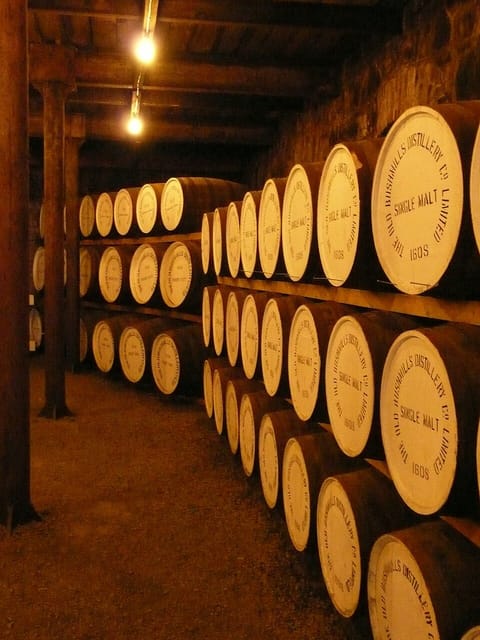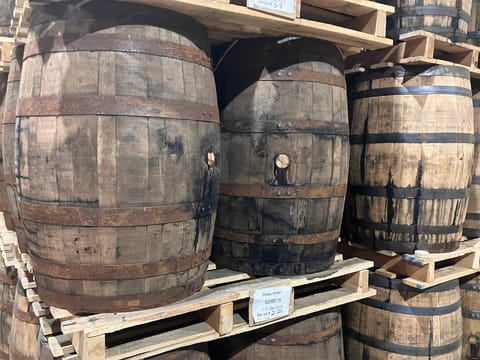
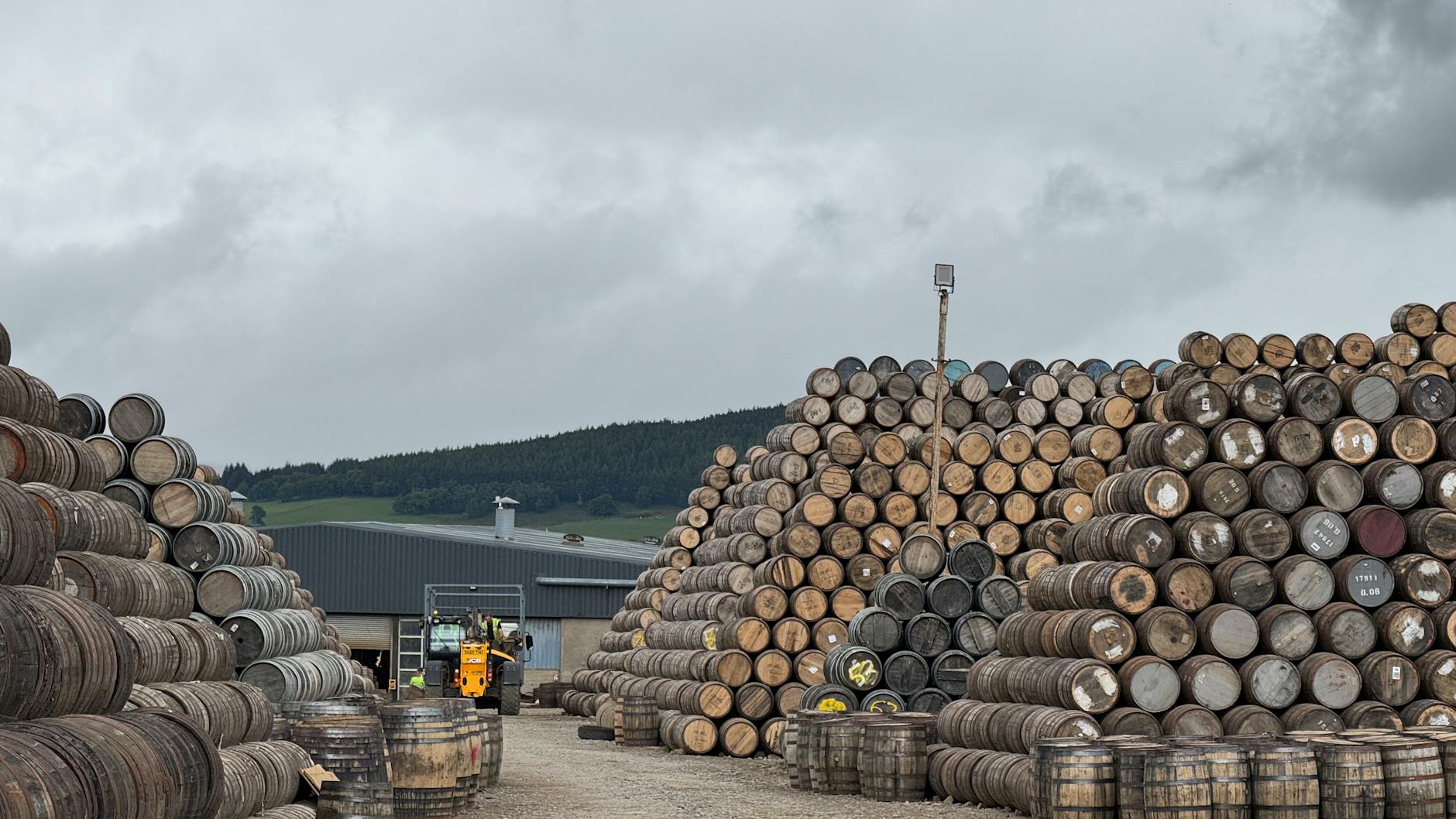
Tobermory has launched Ledaig Castaway, a peated island Scotch finished in ex-tequila and ex-rum casks, bottled at 46.3% ABV with no age statement. Priced at £75, it signals a bold experimental strategy from the Heineken-owned distillery and has implications for tequila cask supply and secondary market pricing.
What Is Ledaig Castaway and Why Is Tobermory Releasing It Now?
Ledaig Castaway is a new limited release from Tobermory Distillery on the Isle of Mull, finished in a combination of tequila and Caribbean rum casks — marking unconventional cask strategies to emerge from a Scottish island distillery in 2025. The release sits at 46.3% ABV, is non-chill filtered, and carries no age statement, positioning it squarely in the premium experimental tier that has driven collector interest across the secondary market over the past three years. Tobermory is owned by Distell, the South African beverages group acquired by Heineken in 2023, giving the distillery access to a global distribution network that most independent island producers can only dream about. That corporate muscle makes Castaway more than a curiosity — it signals a deliberate push to expand Ledaig's footprint in cocktail-culture markets where agave and rum crossover expressions carry serious commercial weight.
The decision to use tequila casks alongside rum is not arbitrary. Agave barrels — typically sourced from blue agave distilleries in Jalisco, Mexico — impart herbal, earthy, and lightly vegetal notes that interact with heavily peated spirit in ways that bourbon or sherry wood simply cannot replicate. Rum casks, often ex-Caribbean column-still distillate vessels, contribute tropical fruit esters, molasses sweetness, and a syrupy mid-palate weight. Layered over Ledaig's signature 35 ppm coastal peat smoke, the result is a profile that reads simultaneously as familiar Scotch and something genuinely unfamiliar. Tobermory's production team has not publicly named the specific tequila or rum producers supplying the casks, a common practice in the industry that nonetheless frustrates cask provenance analysts.
The Isle of Mull distillery has been operating since 1798, making it one of Scotland's oldest continuously licensed distilleries, though it has experienced several periods of closure. Its peated expression, Ledaig, is produced using heavily smoked malt and has historically been overshadowed by more famous island peers such as Laphroaig, Ardbeg, and Bruichladdich. Castaway represents the clearest attempt yet to give Ledaig a distinct identity in a crowded peated Scotch category.
How Does the Tequila and Rum Cask Finish Actually Work?
The finishing process for Ledaig Castaway involves transferring matured Ledaig spirit — already aged in traditional oak — into ex-tequila and ex-rum casks for an undisclosed secondary maturation period. Tobermory has not confirmed the ratio of tequila to rum casks used, nor the duration of the finish, which is standard commercial practice but limits independent verification of the flavour claims. The tequila casks used are almost certainly ex-blanco or ex-reposado vessels, as añejo casks are rarer and more expensive to source at volume. Ex-rum casks, by contrast, are widely available through brokers in Scotland and the Caribbean, making them a cost-effective finishing option for distilleries looking to add tropical complexity without the premium associated with ex-bourbon single barrels.
What makes this combination technically interesting is the pH and sugar residue differential between the two cask types. Tequila casks tend to be relatively dry and low in residual sugar, while rum casks — particularly those from pot-still Caribbean producers — can carry significant congener loads that leach back into the spirit during finishing. The interaction between these two cask influences and Ledaig's high-phenolic new make creates a layered maturation environment that is genuinely difficult to replicate with a single finishing wood. For blenders and production directors watching from rival distilleries, this dual-cask approach will be closely scrutinised as a potential template for differentiation in the peated segment.
Ledaig Castaway is the clearest signal yet that Tobermory is prepared to move beyond the traditional island whisky playbook — and that its Heineken-backed parent is willing to back experimental production with serious distribution muscle.
Why Does Ledaig Castaway Matter to the Whisky Trade and Cask Investors?
The release matters for three interconnected reasons: category positioning, cask market signalling, and the broader trend of spirit crossover expressions gaining traction at auction. According to data tracked by Rare Whisky 101, experimental finishes — particularly those involving non-traditional casks such as mezcal, tequila, and rum — have outperformed standard ex-bourbon releases at auction by an average of 18% on a per-bottle basis over the past two years. That premium reflects collector demand for novelty combined with the scarcity that limited releases inherently carry. Castaway, priced at approximately £75 at launch, sits at a level that makes it accessible enough for casual buyers but aspirational enough to generate secondary market activity within six to twelve months of release.
From a cask investment perspective, Tobermory's move also signals that tequila casks are becoming a mainstream finishing option rather than an exotic outlier. Distilleries including Arran, GlenAllachie, and Nc'nean have all experimented with agave-adjacent wood, and each release has contributed to rising broker prices for quality ex-tequila vessels. Buyers holding ex-tequila casks in bonded warehouses should note that increased demand from Scottish distilleries is likely to push prices for premium agave wood upward over the next 24 months. The rum cask market, already buoyant due to demand from both Scotch and Irish whiskey producers, faces similar supply pressure.
- Cask sourcing: Ex-tequila and ex-rum casks used for secondary maturation — specific producers undisclosed.
- ABV: 46.3%, bottled non-chill filtered and at natural colour.
- Age statement: No age statement (NAS), consistent with Tobermory's recent experimental releases.
- Peat level: Ledaig new make is produced at approximately 35 ppm phenols.
- RRP: Approximately £75 at launch, available through specialist retailers and the distillery.
- Distillery owner: Distell Group, acquired by Heineken in 2023.
- Region: Island Scotch whisky, Isle of Mull, Scotland.
What Does Ledaig Castaway Signal for Tobermory's Long-Term Strategy?
Tobermory Distillery is pursuing a clear bifurcation strategy: the unpeated Tobermory single malt anchors the approachable, terroir-driven end of the portfolio, while Ledaig is being developed as the experimental, high-engagement expression aimed at whisky enthusiasts and collectors. Castaway accelerates that positioning by associating Ledaig with the kind of cross-category innovation that has driven brand equity for producers like Ardbeg and Bruichladdich in recent decades. The naming convention — Castaway evoking maritime isolation, tropical drift, and the romance of island life — is deliberately evocative without being misleading about the liquid inside.
The Heineken ownership context is also worth examining carefully. Large beverage conglomerates have historically been cautious about experimental releases from smaller acquired distilleries, preferring volume and consistency over collector-focused limited editions. The fact that Tobermory has been permitted to pursue a release as unconventional as Castaway suggests that Heineken's spirits division is taking a hands-off approach to Ledaig's creative direction — at least for now. That autonomy is a positive signal for the distillery's long-term identity, though it will need to be sustained through commercial results to remain viable.
What to Watch: Key Developments Ahead for Ledaig and Tobermory
The whisky trade should monitor several forward-looking indicators following the Castaway launch. First, secondary market pricing on platforms including WhiskyHammer and Scotch Whisky Auctions will establish whether the £75 RRP holds or appreciates — a strong auction performance within the first six months would validate the experimental strategy and likely prompt a follow-up release. Second, Tobermory has hinted at further cask experiments within the Ledaig range, and the identity of future finishing wood types will be a useful indicator of where the distillery's sourcing relationships are developing. Third, the broader tequila cask market deserves close attention: if multiple Scottish distilleries announce agave-finished expressions in the next twelve months, cask brokers will need to reassess supply availability and pricing accordingly.
For trade buyers and retailers, Castaway is worth stocking in modest quantities for the enthusiast segment. Its positioning at £75 makes it a credible gifting option as well as a collector purchase, and the story — coastal peat meeting Caribbean rum and Mexican tequila — is genuinely easy to communicate across retail formats. Distilleries that can translate complex production decisions into compelling consumer narratives consistently outperform those that cannot, and Tobermory has done that work here. Watch for allocation details from Distell's UK trade team and secure stock early if the initial retail response is strong.
Frequently Asked Questions
What is Ledaig Castaway and how is it made?
Ledaig Castaway is a limited-edition peated single malt Scotch whisky from Tobermory Distillery on the Isle of Mull, finished in a combination of ex-tequila and ex-Caribbean rum casks. It is bottled at 46.3% ABV, non-chill filtered, with no age statement.
Who owns Tobermory Distillery?
Tobermory Distillery is owned by Distell Group, the South African beverages company that was acquired by Heineken in 2023. Distell's portfolio includes several Scotch whisky brands alongside other spirits and beverages.
How does tequila cask finishing affect Scotch whisky flavour?
Ex-tequila casks — typically sourced from blue agave distilleries in Jalisco, Mexico — impart herbal, earthy, and lightly vegetal notes to Scotch whisky during finishing. When combined with heavily peated spirit like Ledaig, the agave wood adds complexity that differs significantly from traditional bourbon or sherry finishes.
What is the retail price of Ledaig Castaway?
Ledaig Castaway launched at approximately £75 through specialist whisky retailers and directly from Tobermory Distillery. It is a limited release with no confirmed ongoing production run.
Why are tequila casks becoming more popular in Scotch whisky production?
Tequila casks offer a distinctive flavour profile — herbal, earthy, and dry — that differentiates finished expressions in a crowded market. Rising consumer interest in agave spirits has also made tequila-finished whiskies more commercially appealing, particularly in the United States and Asian export markets where both categories have strong followings.