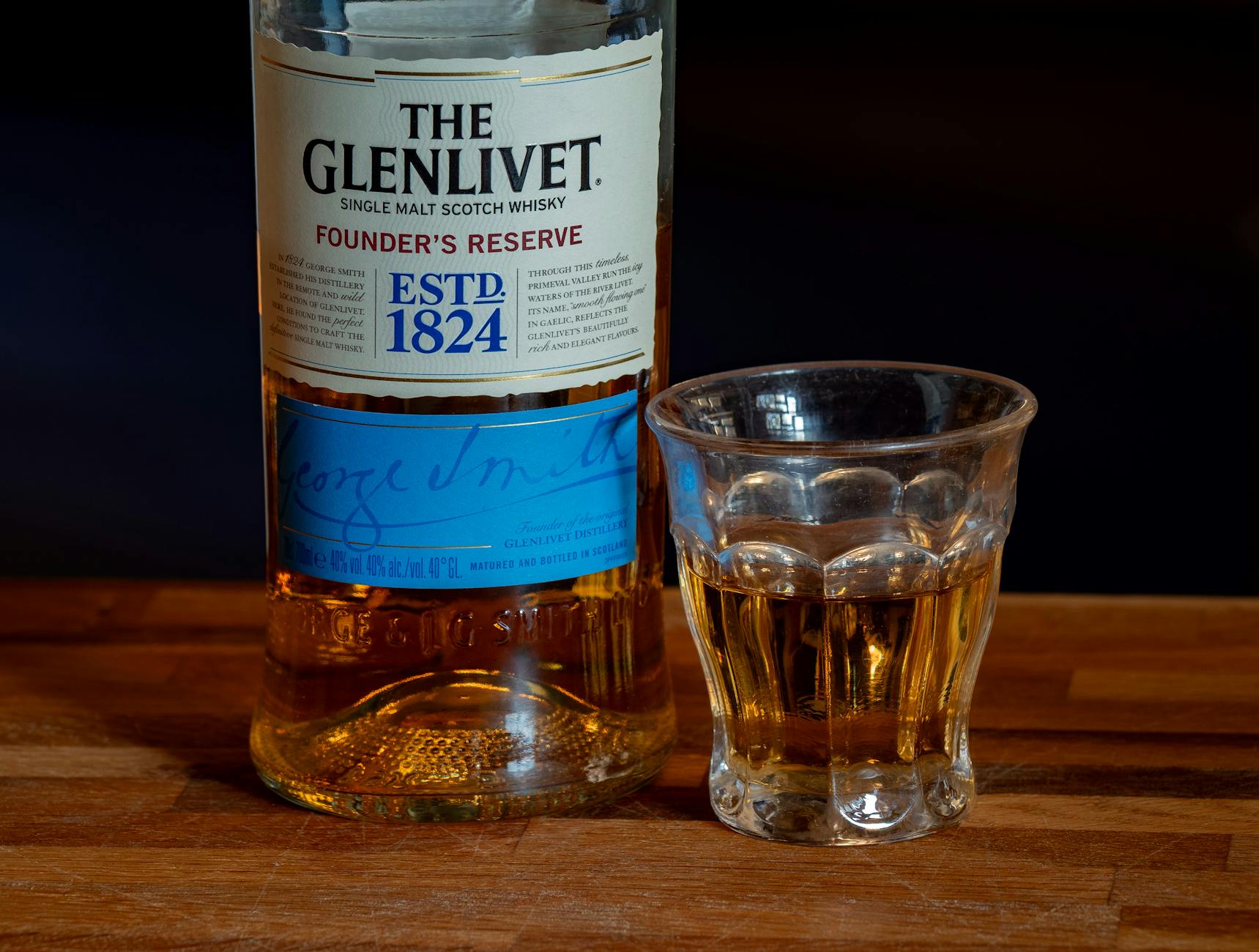
The London Spirits Competition 2026 awarded Double Gold medals to four whiskies from four different countries. Judged by over 70 trade buyers, these awards signal high commercial potential and the growing diversity of world whisky.
The News
The London Spirits Competition 2026 has announced its top whiskey honours, with four expressions from four different countries claiming Double Gold medals and Special Awards following blind evaluation by a panel of more than 70 trade professionals. The competition, which judges spirits on the basis of quality, value, and packaging — criteria weighted toward actual buyer behaviour rather than pure sensory scoring — carries significant commercial weight with on-trade buyers, retailers, and importers across the UK and European markets. This year's whiskey category results are particularly notable for the geographic spread of the winners, a signal that the global whisky trade continues to diversify well beyond its traditional Scottish and American anchors.
The judging panel for the London Spirits Competition is composed almost entirely of working trade professionals — buyers, sommeliers, bar managers, and category directors — rather than specialist whisky critics. That structural choice makes its results unusually relevant to distributors and brand managers seeking commercial validation, because a Double Gold from this panel carries a direct implication: these are whiskies that experienced buyers would actually list, recommend, and sell. For producers operating in competitive import markets, that distinction matters considerably more than a trophy awarded by a panel of enthusiasts.
Trade Context
The four Double Gold and Special Award winners span distinct whisky-producing nations, reflecting a broader structural shift in how international competitions are now scoring world whisky categories. Irish, American, Japanese, and other non-Scotch expressions have steadily gained ground in competition results over the past decade, and the 2026 London Spirits Competition results reinforce that trajectory. Buyers in the UK on-trade, which remains one of the most competitive and price-sensitive whisky markets globally, pay close attention to competition results when building premium spirits lists — particularly for expressions that lack the brand recognition of the major Scotch houses.
- Competition: London Spirits Competition 2026
- Award tier: Double Gold and Special Awards, whiskey category
- Judging panel: 70+ active trade professionals including buyers, sommeliers, and category directors
- Geographic spread: Four winning expressions from four separate whisky-producing countries
- Market implication: Multi-national podium reinforces the commercial viability of world whisky categories in the UK on-trade and export markets
Why It Matters
For the whisky trade, competition results from panels of this composition function as a proxy for commercial readiness. A Double Gold awarded by working buyers is not simply a quality endorsement — it is a signal that an expression can hold its own in a professional tasting context where price-to-quality ratio and shelf presence are factored into the evaluation. Producers and importers who secure results at the London Spirits Competition have historically used them to accelerate UK distribution conversations, and the 2026 results are likely to generate similar traction for the winning brands in the months ahead.
The geographic diversity of the winners also carries implications for cask investors and independent bottlers monitoring category trends. World whisky — a loose designation covering everything from Taiwanese single malts to Indian grain expressions — has seen sustained auction price growth over the past three years, and competition recognition from credible trade panels helps anchor the narrative that these categories are not novelties but serious commercial propositions. For independent bottlers sourcing outside Scotland, results like these provide useful market intelligence about which regional styles are gaining traction with professional buyers.
From a broader market perspective, the 2026 London Spirits Competition whiskey results arrive at a moment when the Scotch industry is navigating softening demand in several key export markets, including the United States, where tariff uncertainty has complicated forward planning for major distillers. Against that backdrop, the strong showing from non-Scotch expressions at a high-profile UK competition is a reminder that the global whisky category is not monolithic — and that buyers with the freedom to range widely are increasingly exercising it. Brands that can demonstrate trade-level credibility through rigorous blind evaluation are well positioned to capitalise on that openness, regardless of where their liquid originates.
Frequently Asked Questions
What is the London Spirits Competition?
A spirits competition judged by over 70 active trade professionals like buyers and sommeliers, evaluating products on quality, value, and packaging for commercial relevance.
Why are these competition results important for the whiskey trade?
Because the judges are working buyers, a Double Gold signals a whiskey is commercially viable and likely to be listed and sold in competitive markets like the UK.
What does the geographic spread of the 2026 winners indicate?
It shows the global whisky trade is diversifying, with high-quality winners coming from beyond traditional Scotch and American producers, reinforcing world whisky as a serious category.
How do producers use these competition results?
Producers and importers use the awards to accelerate distribution talks and gain traction with UK and European retailers and on-trade buyers.