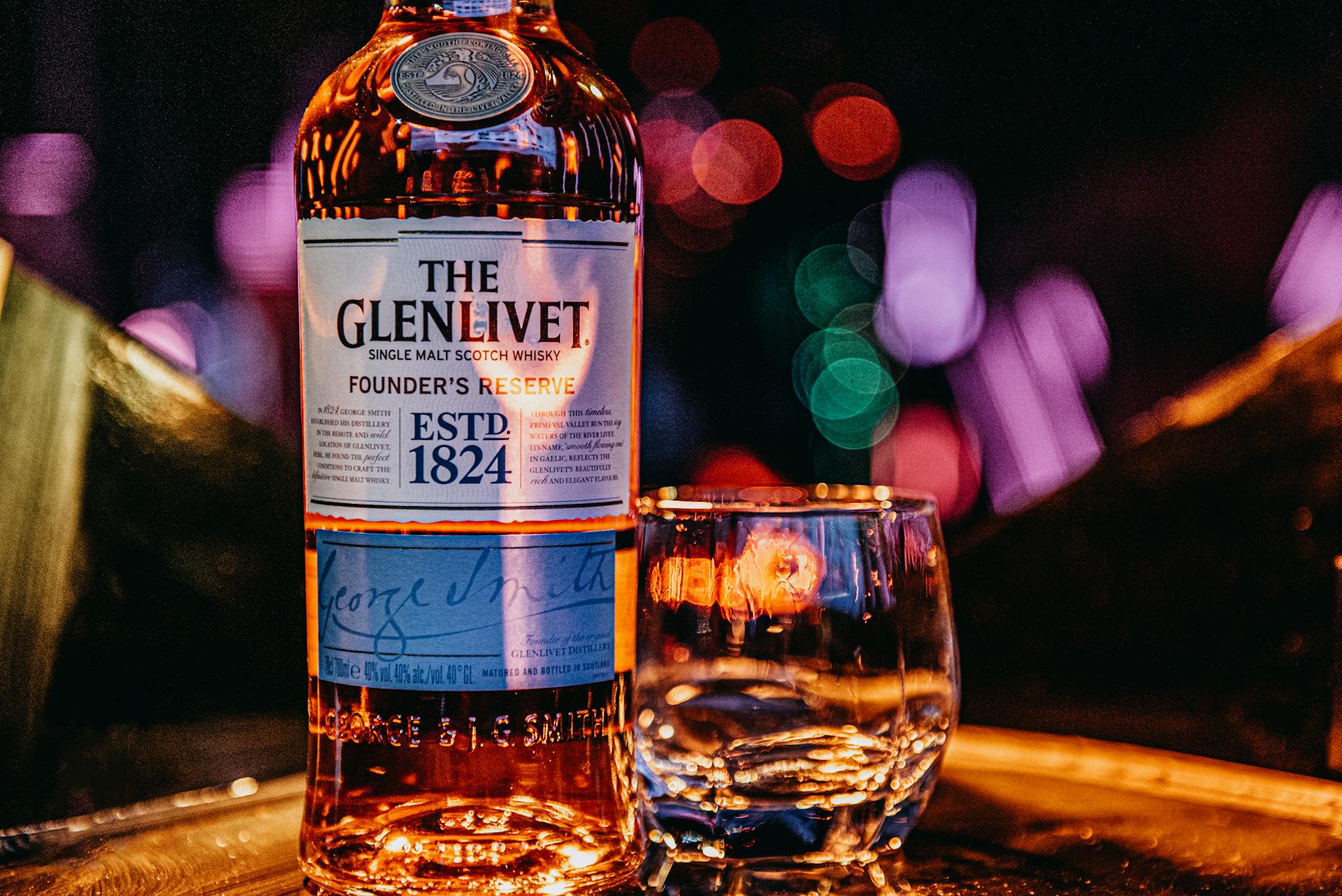
Whisky cask investment is unregulated and risky. Promises of high returns are often misleading. Critical risks include fraud, unclear ownership without proper warehouse-signed documents, and hidden bottling costs. Experts advise comparing brokers, investing in established distilleries, and securing verified paperwork.

Instagram is increasingly targeting young investors with opportunities to purchase their whisky casks. However, this unregulated sector is rife with misunderstandings, misconceptions, and occasional instances of fraud. Sarah Coles of Hargreaves Lansdown states, “This creates opportunities for unscrupulous individuals to take advantage. Some may present what they purport to be rare and costly whisky, but it is actually of low value.”
With the rise of alternative investments, such as fine art or rare wines, there has been a surge in interest in purchasing whisky casks. These casks, which come in various sizes and typically cost between £2,500 and £5,000, are stored for several decades until they mature into a more valuable product that can be bottled.
Companies specializing in facilitating these investments are keen to highlight their success stories, like the case of a 1988 Macallan cask that sold for £1 million at auction after being purchased for a mere £5,000.
According to Richard Woodard, an online drinks retailer at The Whisky World, companies that promise exceedingly high returns are making questionable claims. He suggests that such promises were frequently based on historical figures from when whisky was undervalued and that the seemingly extraordinary potential returns should not deceive investors. It’s essential to remember that there are no guarantees regarding investments.
The eventual value of the whisky is contingent on its worth when it becomes available for purchase, which may be in 20 or 30 years.
According to Coles, the profitability of investing in whisky is determined by the quality of the product at the point of sale. There are no assurances that its value will always appreciate, as this hinges on the investor’s ability to make informed choices and luck.
According to whisky consultant Mark Littler, it is essential to establish ownership of a whisky cask to ensure the investor has proof of ownership. The industry standard is for the buyer and seller of the barrel to sign a delivery order that is then acknowledged by the warehouse where it is stored.
Littler advises that certificates of ownership, deeds of title, or any other documents that are not signed documents acknowledged by the warehouse may not prove ownership at the warehouse level. Without the license, investors cannot verify the cask’s existence with the warehouse and do not have complete control of their assets or money.
Littler also warns investors of the additional costs of bottling a whisky cask, which can significantly reduce their returns. He suggests that investors often calculate the number of bottles in a 250-liter barrel and split the investment price by the numeral of bottles to get a low cost per bottle. Still, they should be aware of the additional expenses involved.
Prospective investors are advised by the court to contact other brokerages to compare prices, invest in established distilleries, and verify that they have all the necessary documentation.
The court recommends that prospective investors contact other brokerages to compare prices, invest in well-known distilleries, and ensure they possess all pertinent documentation.
Frequently Asked QuestionsIs investing in whisky casks a good idea?
It is a high-risk, unregulated alternative investment with no guaranteed returns, often promoted with misleading historical success stories.What are the risks of whisky cask investment?
Key risks include fraud, unclear ownership without proper warehouse-signed documents, volatile future value, and significant hidden costs like bottling and storage.How do I prove ownership of a whisky cask?
True ownership requires a delivery order signed by both buyer and seller and formally acknowledged by the storage warehouse; other certificates may be insufficient.What should a first-time whisky cask investor do?
Compare multiple brokerages, invest only in casks from well-known distilleries, and ensure all ownership documentation is warehouse-acknowledged.
Frequently Asked QuestionsIs investing in whisky casks a good idea?
It is a high-risk, unregulated alternative investment with no guaranteed returns. Success stories are often misleading and based on exceptional historical cases.What are the main risks of whisky cask investment?
Key risks include fraud, volatile future value, unclear ownership without proper warehouse-acknowledged documents, and hidden costs like bottling that erode profits.How can I protect myself if investing in a whisky cask?
Compare multiple brokers, invest only in casks from established distilleries, and ensure you receive a warehouse-acknowledged delivery order as proof of ownership.Why is proper documentation so important for cask ownership?
Without a warehouse-signed delivery order, you cannot verify the cask's existence with the warehouse and have no legal control over your asset, leaving you vulnerable to fraud.Are the high returns promised by some companies realistic?
No. Experts warn that promises of exceedingly high returns are questionable, often based on outdated historical data when whisky was undervalued, and are not guaranteed.