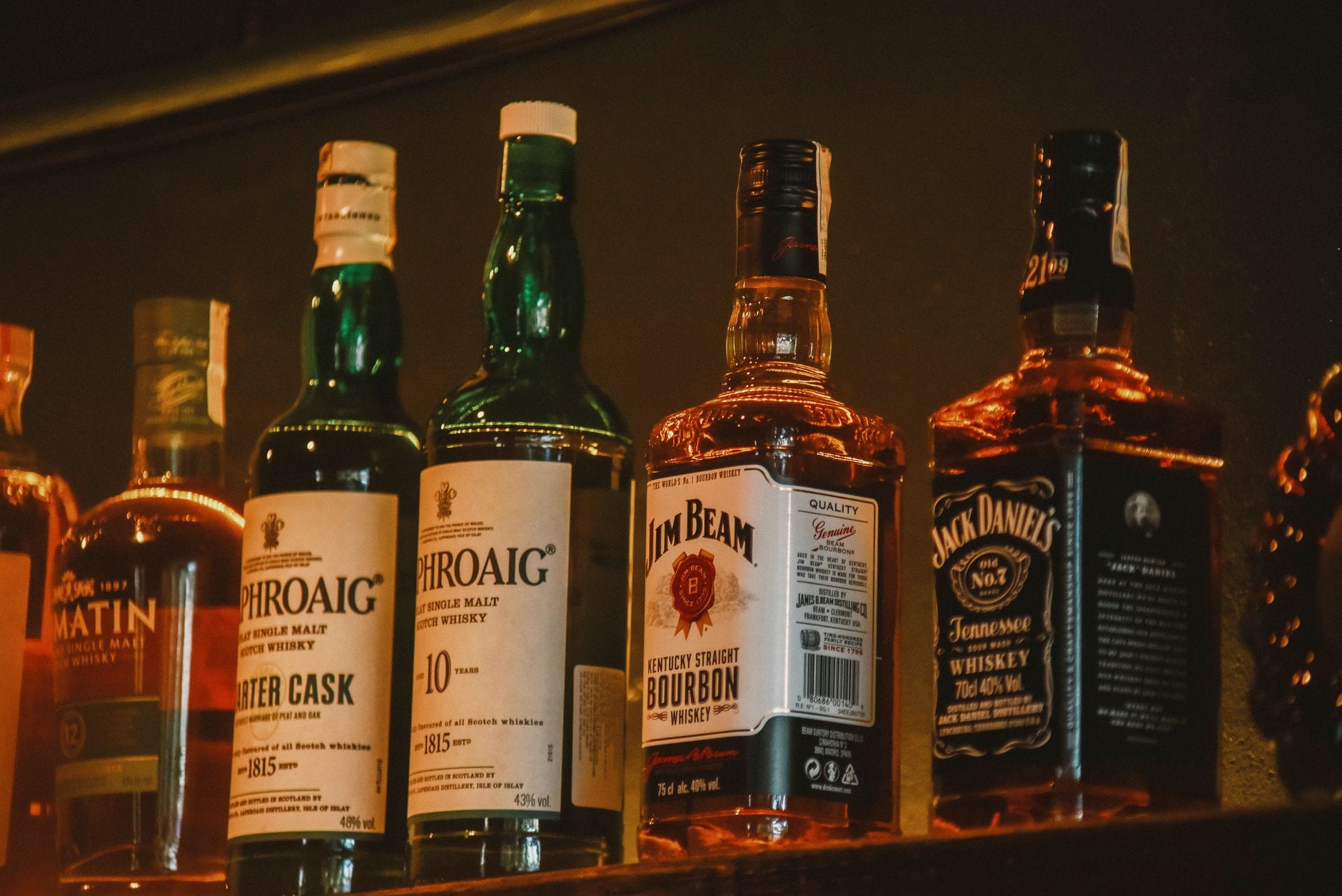
Indian single malt has moved from curiosity to competitive force. Amrut, Paul John, Indri, and Rampur lead a growing producer map, with accelerated maturation economics and rising secondary market activity making the category increasingly relevant to trade buyers and cask investors.
Indian Single Malt: Mapping Every Producer Behind the World's Most-Awarded Whisky
Indian single malt is no longer a curiosity on the periphery of the global whisky trade — it is a competitive force that has beaten established Scotch expressions in blind tastings, claimed medals at the world's most respected competitions, and attracted serious attention from collectors and cask investors alike. The category has expanded rapidly beyond its founding distillery, and understanding who is producing what, and where, is now essential knowledge for anyone operating in the premium whisky market. The question is no longer whether Indian single malt deserves a place at the table — it is which producers are setting the pace and what the trade implications are for the years ahead.
The Producers Driving the Category
Amrut Distilleries in Bangalore remains the pioneer that put Indian single malt on the international map. Founded in 1948 but releasing its first single malt in 2004, Amrut's Fusion expression — a marriage of peated Scottish barley and unpeated Indian barley — became the reference point that forced the whisky establishment to take notice. The distillery's accelerated maturation, driven by India's heat and humidity, produces whiskies of remarkable complexity at relatively young ages, with angel's share losses running at roughly 12 to 16 percent annually compared to around two percent in Scotland. That compression of maturation time has significant implications for both production economics and cask investment timelines.
Paul John Distillery, operating out of Goa under the John Distilleries umbrella, has built an equally compelling portfolio targeting the premium and ultra-premium segments. Its Brilliance, Edited, and Bold expressions have earned consistent international recognition, while limited releases such as the Christmas Edition have developed a strong secondary market following. The distillery uses six-row Indian barley alongside imported Scottish peated barley, and its coastal Goan climate introduces a distinctive humidity profile that influences final spirit character in ways that are still being studied by maturation specialists.
Piccadily Distilleries in Haryana represents the newer wave of serious Indian single malt production. Operating under the Indri brand, the distillery has moved aggressively into export markets and won significant awards at the World Whiskies Awards in recent years. Its use of Indian barley matured in a combination of ex-bourbon, ex-wine, and STR casks reflects a deliberate strategy to differentiate on flavour rather than compete solely on provenance. Radico Khaitan's Rampur Indian Single Malt, produced at its Uttar Pradesh facility, has similarly targeted the luxury export tier, with expressions finished in Cabernet Sauvignon and PX sherry casks appealing to collectors who track flavour-led limited editions.
Trade Context
The structural economics of Indian single malt production differ meaningfully from Scottish or Irish whisky, and those differences matter for trade buyers and cask investors. Accelerated maturation means distilleries can bring commercially viable aged expressions to market faster, but it also means that the concept of a ten or twelve year old Indian single malt represents a very different flavour and maturation profile than its Scottish equivalent. Regulatory frameworks governing Indian whisky have historically been fragmented across state boundaries, but the category now has growing clarity on export labelling and geographic indication discussions are advancing.
- Key Producers: Amrut Distilleries, Paul John / John Distilleries, Piccadily Distilleries (Indri), Radico Khaitan (Rampur), Fullarton Distilleries (Kamet)
- Category: World Whisky — Indian Single Malt
- Market implication: Accelerated maturation economics, growing export volumes, and award-driven collector demand are reshaping how buyers allocate budget across world whisky categories
Why It Matters to the Trade
For buyers and collectors, the Indian single malt category now demands the same rigorous producer-level analysis that has long been applied to Scotch. Not every distillery in India producing single malt is operating at the same quality tier, and the gap between the leading producers and the expanding mid-market is widening. Fullarton Distilleries, producing the Kamet expression in Himachal Pradesh at altitude, represents yet another climatic variable that will differentiate its maturation profile from lowland producers — a factor that specialist retailers and auction houses are beginning to factor into valuations.
The secondary market for Indian single malt is still nascent but directionally clear. Paul John limited editions have appeared with increasing regularity at specialist auction platforms, and Amrut's older or discontinued expressions command meaningful premiums. For cask investors, the accelerated maturation dynamic cuts both ways: faster development means shorter holding periods, but it also means that the window for optimal maturation is narrower and harder to time without distillery-specific expertise. The producers who are building export infrastructure, maintaining production consistency, and investing in brand education in key markets — the UK, Europe, and the United States — are the ones most likely to sustain collector and trade interest over the medium term. Indian single malt has earned its place in any serious whisky portfolio conversation, and the map of producers making it is growing more detailed by the year.
Frequently Asked Questions
Which Indian single malt distillery is considered the original pioneer of the category?
Amrut Distilleries in Bangalore is widely credited as the founding producer of internationally recognised Indian single malt, releasing its first expression in 2004 and breaking through to global acclaim with its Fusion bottling shortly afterwards.
How does India's climate affect single malt maturation compared to Scotland?
India's heat and humidity dramatically accelerate maturation, with angel's share losses of 12 to 16 percent annually versus around two percent in Scotland. This compresses flavour development significantly, meaning younger Indian expressions can exhibit complexity comparable to much older Scotch whiskies.
Are Indian single malts traded on the secondary auction market?
Yes, though the secondary market remains smaller than Scotch. Paul John limited editions and discontinued or rare Amrut expressions have appeared at specialist auction platforms with growing frequency, and premiums on sought-after bottles are rising as international awareness of the category increases.
What is the Indri brand and who produces it?
Indri is the flagship Indian single malt brand from Piccadily Distilleries, based in Haryana. It has won significant international awards and expanded aggressively into export markets, using Indian barley matured across multiple cask types including ex-bourbon, ex-wine, and STR casks.
Is Indian single malt regulated differently from Scotch whisky?
Indian whisky regulation has historically been fragmented across individual states, creating complexity for producers targeting export markets. However, clarity is improving, particularly around export labelling, and geographic indication frameworks are under active discussion within the industry.