Chivas Regal 18 has won back-to-back Gold medals while holding a £70 retail price. The trade should note what this signals about Pernod Ricard's inventory strategy, blended Scotch credibility, and aged Speyside cask demand.
Chivas Regal 18: Award-Winning Scotch at £70 Demands a Second Look
Chivas Regal 18 Year Old has quietly accumulated back-to-back Gold medals on the international competition circuit while sitting on retailer shelves at around £70 — a price point that, in the current Scotch market, looks increasingly anomalous for a blended malt of this age and pedigree. The blend, produced by Chivas Brothers under the Pernod Ricard umbrella, has long occupied a peculiar position in the trade: respected by blenders, underestimated by collectors, and largely ignored by the cask investment community that tends to fixate on single malts. That dynamic may be worth revisiting.
The whisky draws from a pool of aged malt and grain whiskies, all a minimum of 18 years old, with Strathisla distillery — Chivas Brothers' spiritual home in Keith, Speyside — understood to provide the backbone of the blend. The house style leans toward dried fruit, dark chocolate, and a rounded oakiness that reflects the extended maturation period. For a blended Scotch at this age statement, the consistency of supply and the quality of the component stocks represent a significant logistical and financial commitment from Pernod Ricard, one that is rarely acknowledged in trade commentary.
Trade Context: What Does £70 Actually Signal in This Market?
To put the pricing in perspective, a comparable 18-year-old single malt from a recognised Speyside distillery now routinely commands £90 to £150 at retail, with some expressions pushing well beyond that threshold following recent distillery price repositioning strategies. Chivas Regal 18 at £70 is not a budget expression — it is a deliberate commercial anchor point maintained by Pernod Ricard to defend volume in the premium blended Scotch category against the upward march of single malt pricing. That strategy has competitive logic, but it also creates an interesting tension: the liquid is arguably undervalued relative to its age and award record.
The back-to-back Gold medals referenced in recent trade coverage come at a moment when blended Scotch is fighting hard to reclaim credibility with a younger, more whisky-literate consumer base that has been conditioned to associate prestige with single malt status. Chivas Brothers has been methodical in its competition entries, and consistent Gold recognition across multiple judging panels carries real weight — these are not participation trophies. For buyers and on-trade buyers in particular, the awards provide a defensible quality narrative at a price that works for by-the-glass programmes.
- Producer: Chivas Brothers (Pernod Ricard)
- Category: Blended Scotch Whisky, 18 Year Old
- Key distillery contributor: Strathisla, Keith, Speyside
- Retail price: Approximately £70 across major UK retailers
- Awards: Back-to-back Gold medals, international spirits competitions
- Market implication: Premium blended Scotch holding price discipline while single malt equivalents escalate
Why It Matters to the Wider Whisky Trade
For the trade, the Chivas Regal 18 story is less about the bottle itself and more about what it reveals regarding inventory strategy and category positioning at the major house level. Pernod Ricard has chosen to hold the line on price rather than chase the inflationary tide that has swept through aged Scotch since 2020. This is a calculated bet — maintain volume and on-trade presence, sacrifice margin expansion, and use award recognition to reinforce quality credentials without resorting to artificial scarcity or limited edition releases.
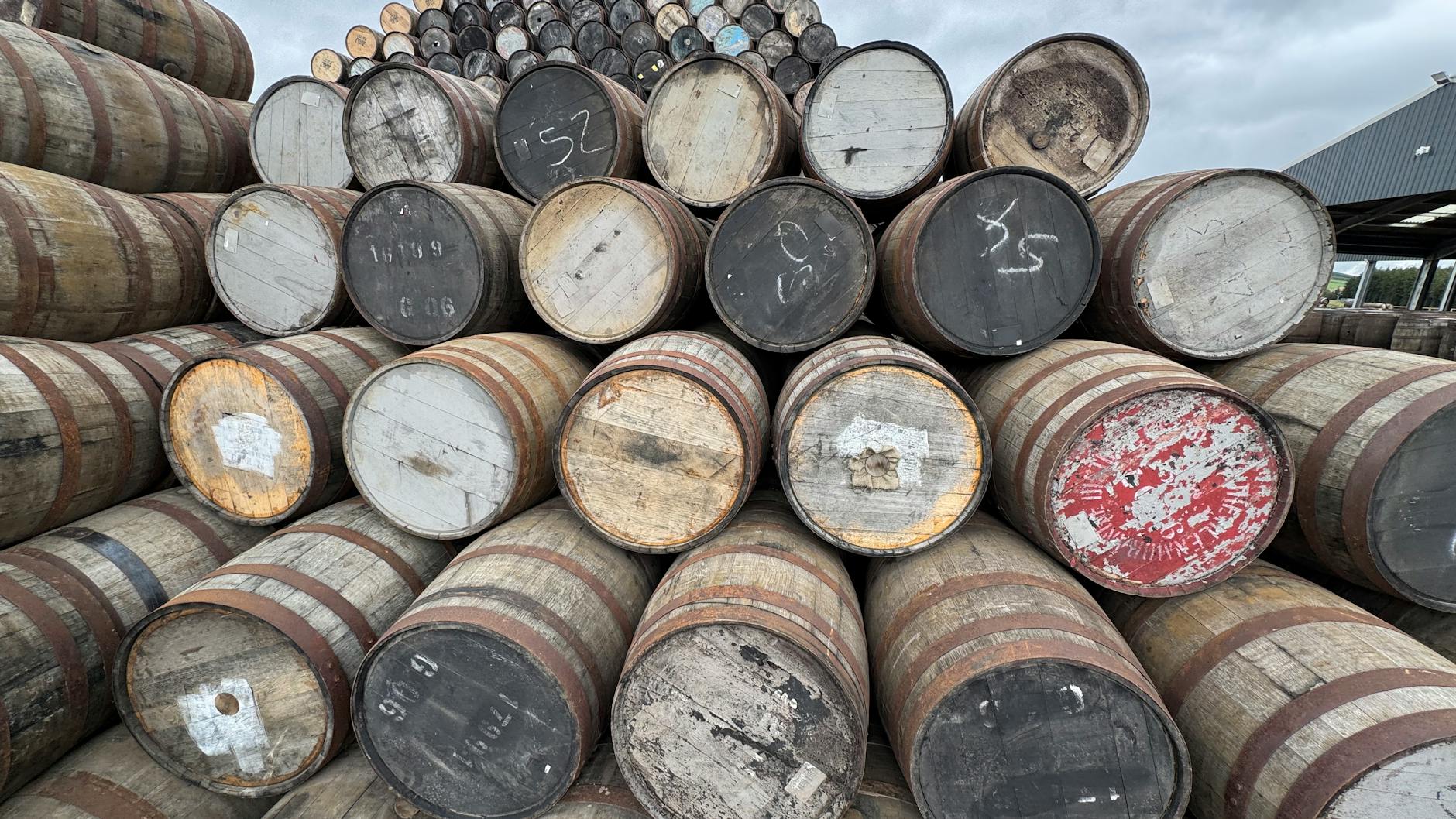
From a cask market perspective, the implications are indirect but real. The sustained demand for aged blended Scotch components — particularly 18-year-old Speyside malt — supports underlying cask valuations for independent holders of similar stock. When a major producer demonstrates consistent commercial appetite for mature Speyside liquid at scale, it provides a market signal that private cask holders and brokers can reference. It also underlines why Strathisla and comparable Speyside distilleries continue to attract attention from investors seeking long-term maturation plays rather than short-cycle new make speculation.
There is also a broader question here about how the trade values blended Scotch in an era dominated by single malt narrative. Chivas Regal 18 winning Gold medals does not make headlines the way a new Macallan expression does, but the consistency of its quality — and the commercial discipline of its pricing — arguably says more about the operational competence of Chivas Brothers than any limited release could. For buyers, brokers, and trade buyers thinking carefully about where genuine value sits in the current Scotch market, that is a point worth sitting with over a dram.
Frequently Asked Questions
What makes Chivas Regal 18 Year Old different from other blended Scotch whiskies?
Chivas Regal 18 is composed entirely of malt and grain whiskies aged a minimum of 18 years, with Strathisla distillery providing a significant portion of the malt component. The extended age statement and the quality of the component stocks place it firmly in the premium blended category, distinguishing it from younger blends that dominate the volume end of the market.
Why is Chivas Regal 18 priced at £70 when comparable aged Scotch costs more?
Pernod Ricard has maintained deliberate price discipline on Chivas Regal 18 to defend volume in the premium blended category and remain competitive with single malts. While single malt 18-year-old expressions have seen significant price inflation since 2020, Chivas Brothers has chosen market presence over margin expansion at this tier.
What awards has Chivas Regal 18 recently received?
Chivas Regal 18 has received back-to-back Gold medals at international spirits competitions, reflecting consistent quality recognition across multiple independent judging panels. These awards are significant for on-trade buyers looking for a defensible quality narrative at an accessible price point.
Does the success of Chivas Regal 18 have any relevance for cask investors?
Indirectly, yes. Sustained commercial demand for aged Speyside malt at the blended Scotch level — particularly 18-year-old stock — supports underlying cask valuations for independent holders of similar liquid. It signals ongoing major-house appetite for mature Speyside components, which is a relevant market indicator for private cask holders and brokers.
Is blended Scotch gaining credibility with serious whisky buyers?
There is a gradual reassessment underway in the trade, driven partly by the price escalation of single malts and partly by consistent award performance from premium blended expressions. Chivas Regal 18 is one of several blended Scotch whiskies prompting buyers to reconsider category assumptions, though single malt still dominates collector and investor attention.