
Maker's Mark is a historic Kentucky bourbon founded in 1953. Known for its smooth, wheated flavor and iconic hand-dipped red wax seal. It uses a unique mash bill without rye. Core expressions include the Original, Maker's Mark 46, and Cask Strength.
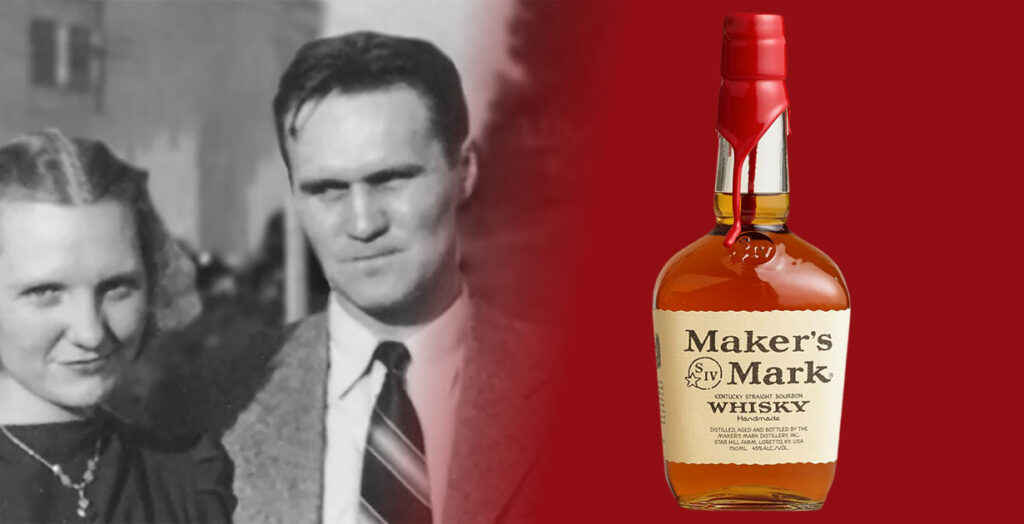
The Ultimate Guide to Maker’s Mark Whisky: History, Taste & More
Maker’s Mark is one of the most recognizable and beloved bourbon brands in the world. Known for its signature red wax seal and smooth, wheated flavor profile, this Kentucky bourbon has a rich history and a meticulous crafting process. Whether you’re a whisky enthusiast or a collector, this guide will take you through everything you need to know about Maker’s Mark.
A Brief History of Maker’s Mark
Founded in 1953 by Bill Samuels Sr., Maker’s Mark was created with a unique vision: to produce a bourbon that was smoother and more refined than the traditional options available at the time. Instead of using rye as the secondary grain, Maker’s Mark replaced it with soft red winter wheat, giving the whisky its signature sweetness and smoothness.
The Samuels family played a crucial role in shaping Maker’s Mark’s legacy, from Margie Samuels’ iconic red wax branding to the distillery’s commitment to handcrafted production.
How Maker’s Mark Is Made
Unlike many other bourbons, Maker’s Mark follows a handcrafted process that ensures quality in every bottle:
- Mash Bill: 70% corn, 16% wheat, 14% malted barley—no rye.
- Fermentation & Distillation: The whisky is distilled in copper pot stills for purity.
- Aging Process: Aged in charred American oak barrels for consistency.
- Hand-Dipped Seal: Every bottle is sealed by hand in its signature red wax.
Tasting Notes & Varieties
Maker’s Mark offers a range of expressions, each with its own unique flavor:
- Maker’s Mark Original: Caramel, vanilla, and oak with a smooth, wheated finish.
- Maker’s Mark 46: Extra aging with French oak staves, adding bold spice and complexity.
- Maker’s Mark Cask Strength: Higher proof with intensified caramel and spice notes.
- Limited Editions & Private Selects: Unique variations crafted with different wood finishes.
Why Maker’s Mark Stands Out
- Handcrafted Production: No shortcuts—every step is carefully controlled.
- Smooth & Accessible: The wheated mash bill makes it easy to sip neat or in cocktails.
- Collector’s Appeal: Limited editions and private barrel selections make Maker’s Mark a favorite for whisky investors.
Final Thoughts
Whether you’re enjoying it neat, in an Old Fashioned, or collecting limited releases, Maker’s Mark remains a must-try bourbon. Its rich history, smooth flavor, and commitment to quality make it a staple in any whisky lover’s collection.
Discover more about whisky casks and promotions at whiskybulletin.com.
Frequently Asked QuestionsWhat makes Maker's Mark bourbon different?
Maker's Mark uses a wheated mash bill, replacing rye with soft red winter wheat for a smoother, sweeter flavor profile than traditional bourbons.Who founded Maker's Mark and when?
Maker's Mark was founded in 1953 by Bill Samuels Sr., with his wife Margie Samuels creating the brand's iconic red wax seal.What are the main types of Maker's Mark whisky?
Core expressions include the smooth, original Maker's Mark, the spicier Maker's Mark 46 finished with French oak, and the bolder Maker's Mark Cask Strength.How is Maker's Mark bottled?
Each bottle of Maker's Mark is hand-dipped in its signature red wax, a distinctive part of its handcrafted production process.
Frequently Asked QuestionsWhat makes Maker's Mark bourbon different?
It uses a wheated mash bill, replacing rye with soft red winter wheat for a smoother, sweeter flavor.Who founded Maker's Mark and when?
Bill Samuels Sr. founded Maker's Mark in 1953, with his wife Margie creating the iconic red wax seal.What are the main types of Maker's Mark whisky?
Core expressions include the Original, Maker's Mark 46 (finished with French oak), and Maker's Mark Cask Strength.How is Maker's Mark bottled?
Each bottle is hand-dipped in its signature red wax as part of its handcrafted production process.