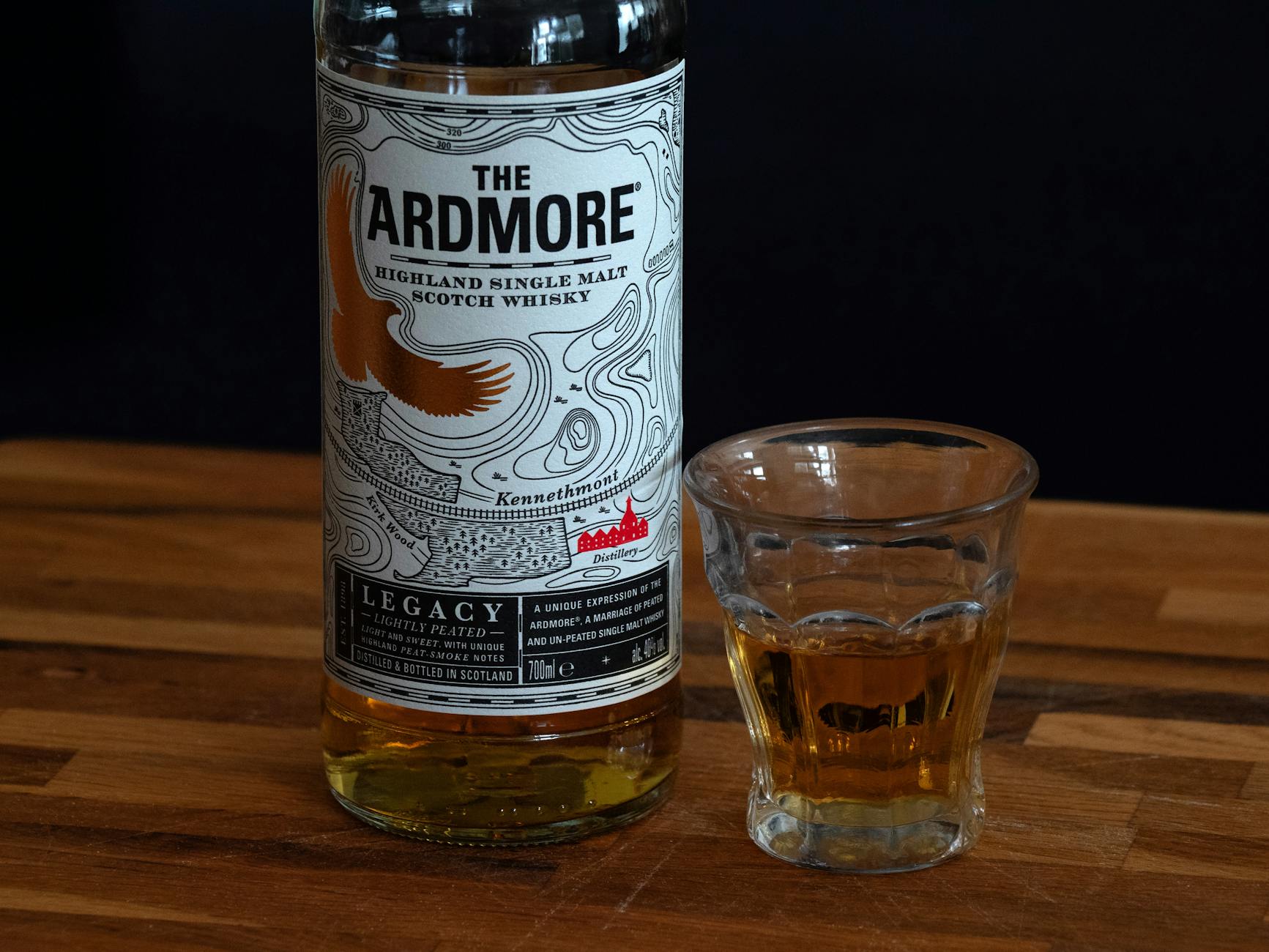
Pernod Ricard is reportedly considering an IPO for its Indian subsidiary, a major player in the world's largest whisky market. This would publicly value brands like Royal Stag and offer financial transparency, with timing sensitive to India's import duty and trade negotiations.
The News
Pernod Ricard is reportedly weighing an initial public offering of its Indian subsidiary, a move that would represent one of the most significant capital market events in the global spirits industry in recent years. The French drinks giant, whose Indian portfolio is anchored by Royal Stag blended malt whisky — one of the best-selling whisky brands on the planet by volume — is said to be in early-stage discussions about listing the business on Indian exchanges. While no formal timeline has been confirmed, the speculation alone signals how seriously multinational spirits groups are now treating India as a standalone investment proposition rather than simply a high-growth emerging market footnote.
India is already the largest whisky-consuming nation in the world by volume, and Pernod Ricard's local arm is a formidable operation. The company sells millions of cases annually across its Indian whisky brands, with Royal Stag leading the charge alongside Seagram's Blenders Pride and Imperial Blue. An IPO would not only unlock capital for the parent group but would also place a transparent public valuation on what has long been one of the spirits industry's most closely watched but least publicly scrutinised businesses.
Trade Context
Pernod Ricard India operates in a uniquely complex regulatory environment. Indian whisky — the majority of which is produced from molasses-based neutral spirit rather than malted grain — sits outside Scotch Whisky Association definitions and occupies its own distinct commercial category. This matters for trade readers because a listed Indian entity would, for the first time, provide audited, publicly available financials that illuminate the true margin structure of volume-driven Indian whisky at scale. For Scotch producers watching India as an export target, particularly in the context of the long-running UK-India Free Trade Agreement negotiations, that kind of transparency would offer a valuable commercial benchmark.
- Producer: Pernod Ricard India (subsidiary of Pernod Ricard S.A.)
- Key Brands: Royal Stag, Seagram's Blenders Pride, Imperial Blue, Royal Stag Barrel Select
- Category: Indian Made Foreign Liquor (IMFL) whisky, with a growing premium and Scotch import portfolio
- Market implication: A public listing would set a precedent for valuing high-volume emerging market spirits businesses and could accelerate further M&A or listing activity across the sector
It is also worth noting that Pernod Ricard India is not purely an IMFL operation. The subsidiary distributes Scotch imports including Chivas Regal, Ballantine's, and The Glenlivet across the Indian market, meaning its fortunes are directly tied to both domestic volume growth and the gradual tariff liberalisation that a concluded UK-India FTA could deliver. India currently levies a 150 percent import duty on bottled Scotch, a barrier that has constrained premium Scotch penetration for years. Any structural change to that duty regime would materially affect the revenue mix of a listed Pernod Ricard India — making the IPO timing particularly sensitive to trade negotiation progress in London and New Delhi.
Why It Matters
For the whisky trade and cask investors with exposure to Scotch, this development carries several layers of significance. First, it underscores the sheer commercial weight of the Indian whisky market — a market so large and profitable that a subsidiary listing could command a valuation rivalling mid-cap spirits companies on European exchanges. Second, it puts competitive pressure on rivals including Diageo, whose United Spirits subsidiary has been listed in India for over a decade and whose public financials have long given analysts a window into Indian spirits economics that Pernod's private structure has denied them.
Third, and perhaps most pertinently for Scotch-focused readers, a listed Pernod Ricard India with improved access to local capital and a raised public profile would be better positioned to invest in premiumisation — the very trend that drives demand for aged Scotch imports. Royal Stag Barrel Select already signals the group's intent to trade Indian consumers upward. A better-capitalised, publicly accountable Indian operation could accelerate that trajectory, which ultimately benefits the entire premium whisky supply chain from distillery to bottle. The trade would be wise to watch this story closely as it develops through 2026.
Frequently Asked Questions
Why is Pernod Ricard considering an IPO for its Indian business?
To unlock capital, place a transparent public valuation on its significant Indian operations, and potentially accelerate investment in premiumisation.
What is the significance of Royal Stag for Pernod Ricard India?
Royal Stag is a blended malt whisky that is one of the best-selling whisky brands globally by volume and anchors Pernod Ricard's portfolio in India.
How would a Pernod Ricard India IPO affect the spirits industry?
It would set a precedent for valuing high-volume emerging market spirits businesses, provide financial transparency for the Indian whisky market, and increase competitive pressure on rivals like Diageo.
What role do UK-India trade negotiations play in this potential IPO?
India's 150% import duty on bottled Scotch constrains premium sales. Changes from a UK-India FTA would materially affect Pernod Ricard India's revenue mix, making IPO timing sensitive to negotiation progress.
Frequently Asked Questions
Why is Pernod Ricard considering an IPO for its Indian business?
To unlock capital, provide a public valuation for its major Indian whisky brands, and offer financial transparency for a key but privately held market segment.
What are Pernod Ricard's key whisky brands in India?
Its portfolio includes leading brands like Royal Stag, Seagram's Blenders Pride, and Imperial Blue, which are top sellers in the Indian market.
How do trade negotiations impact the potential IPO?
The IPO timing is sensitive to UK-India FTA talks, as changes to India's 150% import duty on Scotch would affect the subsidiary's revenue from premium imports.
What makes the Indian whisky market significant?
India is the world's largest whisky-consuming nation by volume, making it a critical and highly profitable market for global spirits companies.