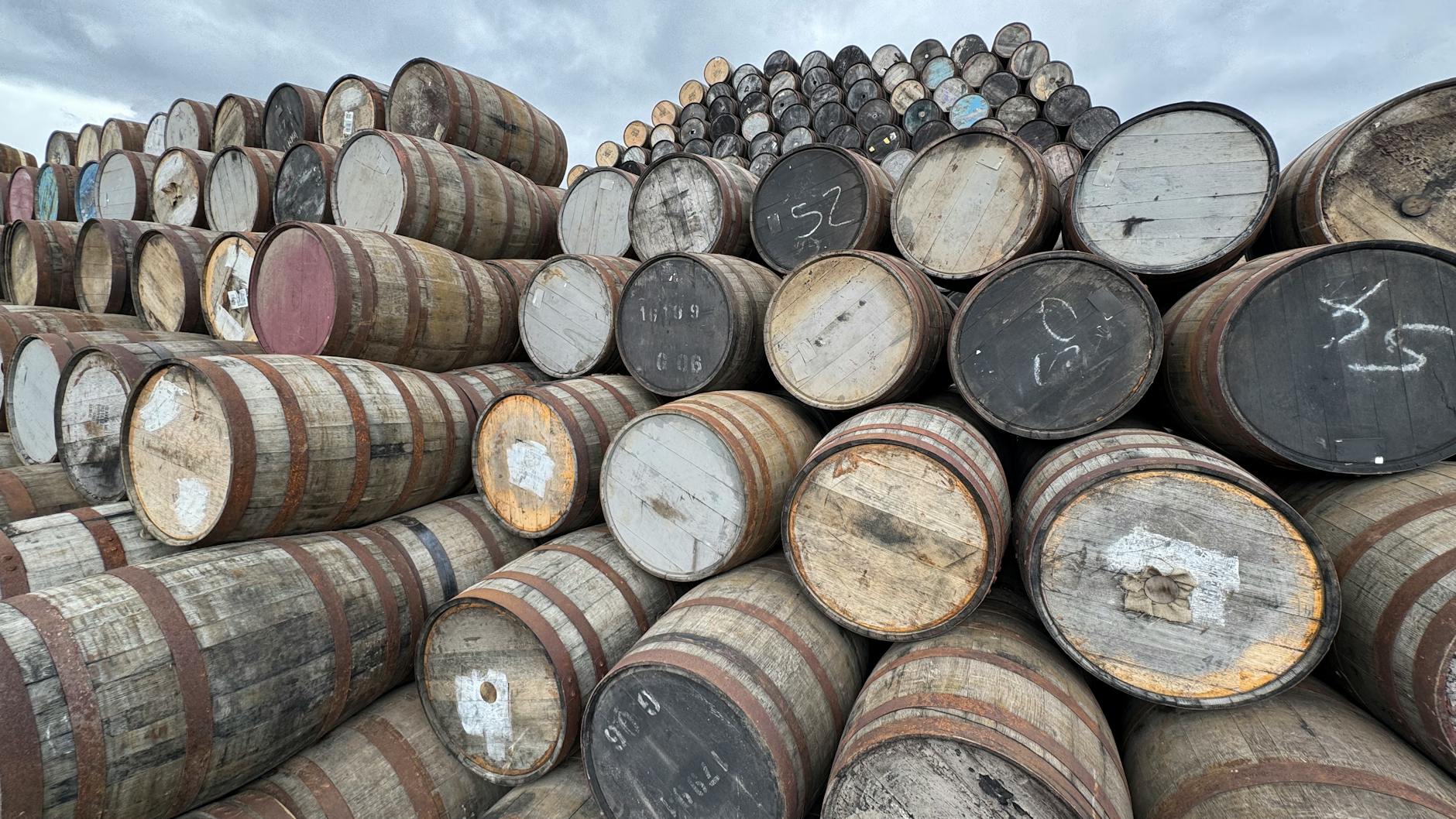
Pernod Ricard is exploring an IPO for its Indian subsidiary. This would unlock capital, provide a clear valuation, and sharpen its competitive edge in the world's largest whisky market against rivals like Diageo.
The News
Pernod Ricard is reportedly weighing an initial public offering of its Indian subsidiary, a move that would mark one of the most significant structural shifts in the French drinks giant's Asian operations in decades. According to sources familiar with the matter, the Paris-headquartered group has been in early-stage discussions exploring whether to list its India business on local stock exchanges, potentially unlocking substantial capital tied up in one of the world's fastest-growing spirits markets. The timing is notable: India has emerged as a critical growth engine for global drinks producers, and a public listing would give Pernod Ricard a sharper competitive footing while providing a clearer market valuation of assets that have long operated beneath the radar of international investors.
Trade Context
Pernod Ricard India is no minor subsidiary. The company is the producer of Royal Stag, one of India's best-selling blended whiskies by volume, alongside a broad portfolio that includes Imperial Blue, Royal Stag Barrel Select, and the premium Seagram's range. Royal Stag alone shifts tens of millions of cases annually, making it one of the highest-volume whisky brands anywhere on the planet — a fact that often surprises observers more accustomed to measuring prestige by price per bottle rather than sheer scale. Beyond its domestic blends, Pernod Ricard India also serves as a distribution and marketing vehicle for the group's Scotch and international premium portfolio, including Chivas Regal, Ballantine's, and The Glenlivet, all of which have been pushing aggressively into India's growing upper-middle-class consumer base.
- Producer: Pernod Ricard India (subsidiary of Pernod Ricard SA)
- Category: Indian Whisky / World Whisky / Scotch distribution
- Key brands: Royal Stag, Imperial Blue, Seagram's, Chivas Regal, Ballantine's, The Glenlivet
- Market implication: A listed Indian entity would create a publicly traded vehicle for one of the world's largest whisky markets by volume, drawing fresh institutional scrutiny and potential activist pressure on pricing, margins, and portfolio strategy
India's Whisky Market: The Numbers That Drive the Decision
India is now widely regarded as the largest whisky-consuming nation on earth by volume, accounting for roughly half of all whisky consumed globally when Indian-made foreign liquor — the regulatory category covering domestic blended whiskies — is included in the count. The country's middle class is expanding rapidly, and premiumisation trends are accelerating, with consumers trading up from standard blends toward aged expressions, single malts, and imported Scotch at a pace that has surprised even optimistic forecasters. For Pernod Ricard, India represents not just volume but an increasingly valuable margin story, as premium and super-premium Scotch sales have grown sharply in metropolitan markets including Mumbai, Delhi, Bengaluru, and Hyderabad. The potential removal of trade barriers between India and the United Kingdom, under a long-discussed free trade agreement, could further reshape the competitive dynamics of imported Scotch in the country, making the timing of any IPO particularly sensitive to regulatory developments on both sides.
What a Listing Would Mean for the Wider Spirits Trade
An IPO of Pernod Ricard's Indian business would be a landmark event for the global spirits industry, establishing a publicly traded benchmark valuation for large-scale Indian whisky operations at a moment when investor interest in the category is genuinely elevated. It would also invite direct comparisons with United Spirits, the Diageo-controlled Indian subsidiary already listed on Indian exchanges, which has served as a useful — if sometimes uncomfortable — window into the complexities of operating in a market defined by state-level regulation, excise complexity, and fierce price competition. Diageo's experience with United Spirits has demonstrated both the opportunities and the governance headaches that come with a partially listed local entity, and Pernod Ricard's board will be acutely aware of those precedents as discussions develop.
Why It Matters
For the whisky trade and serious cask investors, this story carries weight well beyond corporate finance. A publicly listed Pernod Ricard India would shine a brighter light on the economics of Indian whisky at scale, potentially accelerating interest in the country's nascent single malt sector — producers such as Amrut, Paul John, and Indri have already demonstrated that Indian single malt can command serious international attention and auction-room prices. If India's largest spirits operator by volume moves toward a public listing, it signals institutional confidence in the market's long-term trajectory and could catalyse further investment in distilling infrastructure, aged stock, and premium brand development across the subcontinent. For anyone tracking where the next wave of whisky value is being created, India just moved further up the agenda.
Frequently Asked Questions
Why is Pernod Ricard considering an IPO for its India business?
To unlock substantial capital tied up in one of the world's fastest-growing spirits markets, gain a clearer public valuation, and strengthen its competitive position against listed rivals like Diageo's United Spirits.
What are Pernod Ricard's key brands in India?
Its portfolio includes best-selling domestic blends like Royal Stag and Imperial Blue, as well as distributed international brands such as Chivas Regal, Ballantine's, and The Glenlivet.
How significant is India's whisky market?
India is the largest whisky-consuming nation by volume, accounting for roughly half of global whisky consumption when including its domestic blended whiskies (Indian-made foreign liquor).
Who is Pernod Ricard's main listed competitor in India?
Diageo-controlled United Spirits, which is already listed on Indian exchanges and provides a public benchmark for the market's complexities and performance.
What market trends support this potential IPO?
India's rapidly expanding middle class, accelerating premiumisation where consumers trade up to aged whiskies and Scotch, and potential regulatory changes like a UK-India free trade agreement.
Frequently Asked Questions
Why is Pernod Ricard considering an IPO in India?
To unlock capital, gain a clear market valuation, and sharpen its competitive edge in the world's largest whisky market.
What is Pernod Ricard India's key brand?
Royal Stag, one of India's best-selling blended whiskies by volume.
How significant is India's whisky market?
India is the largest whisky-consuming nation by volume, accounting for roughly half of global whisky consumption.
Who is Pernod Ricard's main competitor in India?
Diageo's United Spirits is a key rival in the Indian spirits market.
What market trend supports this IPO?
Strong premiumisation trends, with consumers trading up to aged expressions and imported Scotch.