Paul John Brilliance is an Indian single malt from Goa, matured in ex-bourbon barrels. Its tropical aging accelerates maturation, producing a rich, flavourful whisky with notes of toffee, honey, and orange. It represents the growing quality and market challenge of Indian single malts.
The News
Paul John Brilliance, the entry-level single malt from Goa-based John Distilleries, continues to command attention as Indian whisky pushes deeper into Western retail channels. Priced typically between £35 and £45 depending on market, the non-age-statement expression is matured in ex-bourbon American oak barrels for an estimated three to five years in Goa's punishing tropical climate — conditions that accelerate maturation far beyond what comparable timeframes would achieve in Scotland or Kentucky. The result is a surprisingly developed dram that punches well above what its age and price point might suggest, and one that raises pointed questions about how the global whisky trade values provenance versus palate.
On the nose, Brilliance opens with a generous sweep of toffee and raw honey, undercut by a light cereal sweetness that speaks to the six-row Indian barley used in production. There is a faint tropical fruitiness — mango skin, perhaps — that distinguishes it immediately from its Scotch counterparts. The palate delivers orange oil, cinnamon spice, and a creamy vanilla mid-section that confirms the bourbon cask influence. The finish is long for its weight, tapering into baked apple, gentle oak tannin, and a pleasant dryness that invites another sip. At 46% ABV and non-chill filtered, the texture holds up well, with enough body to satisfy drinkers accustomed to more heavily aged expressions.
Trade Context
John Distilleries, founded by Paul P. John in 1992, has operated its single malt programme from a distillery near Cuncolim in South Goa since the mid-2000s. The facility runs copper pot stills sourced from Forsyths in Scotland, and sources its barley domestically, a decision that keeps production costs lower than imported-grain competitors while lending a distinctive flavour profile. The Brilliance expression sits as the brand's gateway bottling, positioned below the peated Bold, the sherry-finished Edited, and a growing portfolio of limited releases and single cask bottlings that have drawn serious collector interest at auction.
- Producer / Distillery: John Distilleries Ltd., Cuncolim, Goa
- Category: World Whisky — Indian Single Malt
- Market implication: Indian single malts are gaining shelf space in UK and European specialist retailers, pressuring entry-level Scotch on both quality and price
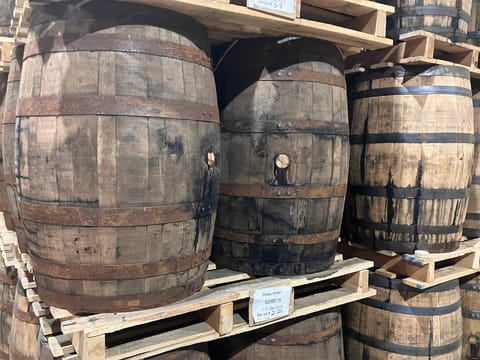
India's tropical climate means annual evaporation losses — the so-called angel's share — can run between 10% and 16%, roughly three to four times the rate seen in Scottish warehouses. This accelerated interaction between spirit and wood means that a Paul John expression aged four years in Goa may present maturation characteristics more commonly associated with eight to twelve years in a Highland or Speyside warehouse. For the trade, this complicates age-statement comparisons and forces a conversation about whether the market's historical premium on Scottish provenance can hold indefinitely against demonstrably competitive liquid from other origins.
Why It Matters
The broader significance of Brilliance lies not in any single tasting note but in what its continued commercial traction signals for the world whisky category. Indian single malt exports have grown steadily over the past five years, with Paul John, Amrut, and Rampur leading the charge into markets that were once near-exclusively Scotch territory. UK specialist retailers now routinely stock three or four Indian single malts, and auction results for limited Paul John releases have shown year-on-year price appreciation that outpaces many mid-tier Scotch bottlings. The Paul John Nirvana and Christmas Edition bottlings, for instance, have both recorded secondary market premiums of 40% to 60% above original retail within twelve months of release.
For cask investors and independent bottlers, Indian whisky presents both opportunity and complexity. Regulatory frameworks around Indian whisky production and export remain less standardised than Scotland's Scotch Whisky Regulations, and cask investment schemes from Indian distilleries are still nascent compared to the mature Scottish cask market. However, the quality trajectory is unmistakable. Brilliance, as the brand's most accessible expression, serves as a reliable barometer: if the entry-level product delivers this level of complexity, the premiums commanded by the distillery's upper-tier releases begin to look well-founded rather than speculative.
Serious trade observers should watch Paul John's distribution expansion closely. The distillery has signalled ambitions to increase its European and North American footprint, and any move toward age-statement releases or official single cask programmes for export markets would mark a significant maturation of India's position in the global whisky hierarchy. At its current price and quality level, Brilliance is not merely a curiosity — it is a credible competitor that the Scotch establishment would be unwise to dismiss.
Frequently Asked Questions
Where is Paul John Brilliance whisky made?
It is produced by John Distilleries at their distillery in Cuncolim, South Goa, India.
How does maturation in Goa affect the whisky?
Goa's hot, tropical climate accelerates maturation, with spirit interacting with the wood much faster than in Scotland, giving a more developed character in fewer years.
What does Paul John Brilliance taste like?
It features notes of toffee, raw honey, orange oil, cinnamon, creamy vanilla, and a finish of baked apple and gentle oak tannins.
Why are Indian single malts like Paul John gaining popularity?
They offer high quality and value, challenging entry-level Scotch whiskies on price and taste, and are increasingly available in Western markets.
What is the alcohol strength of Paul John Brilliance?
It is bottled at 46% ABV (alcohol by volume) and is non-chill filtered.