
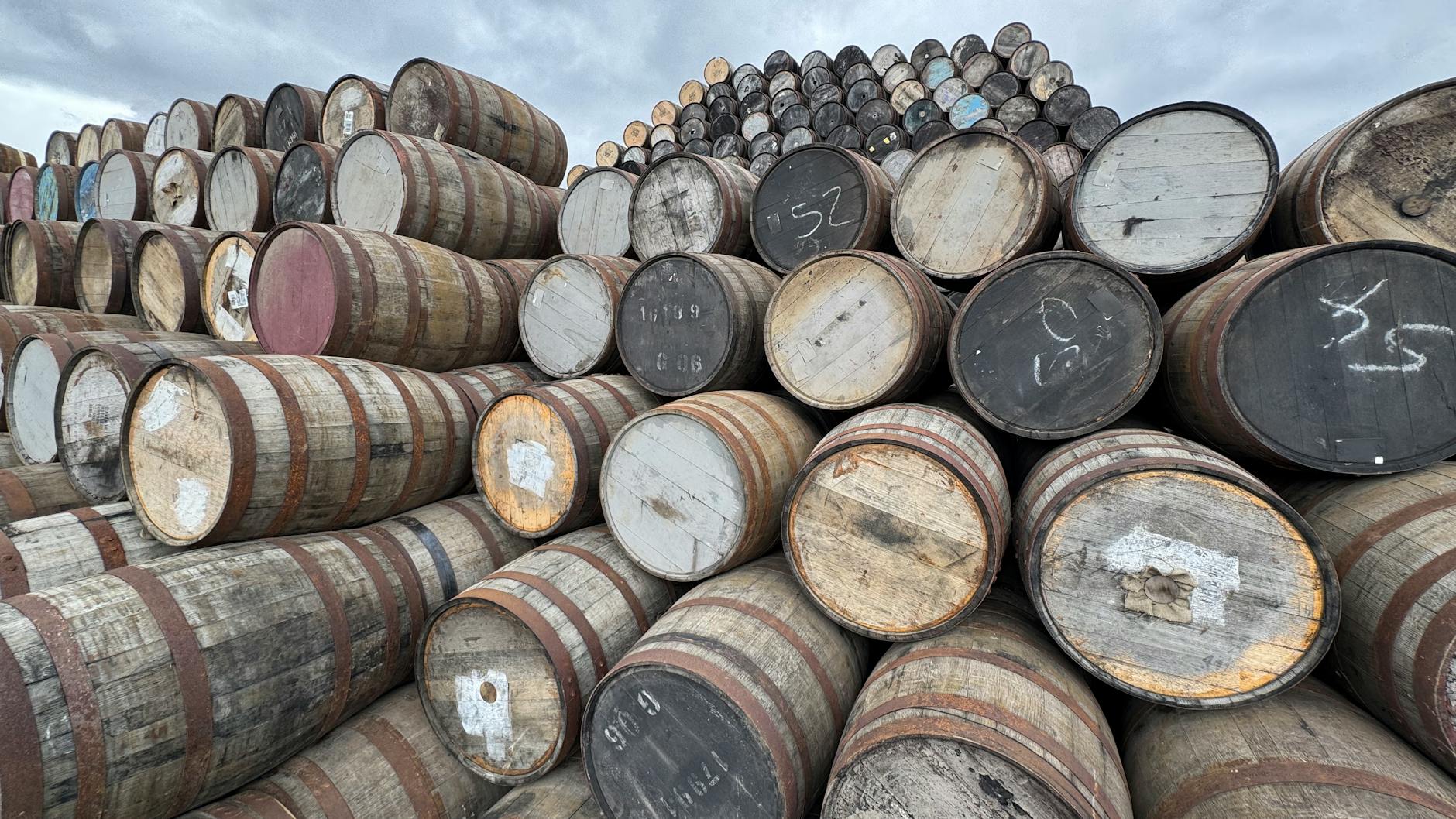
MGP Ingredients posted a 40% revenue decline in its Distilling Solutions segment in Q1 2026, reflecting a sustained inventory correction across the US bulk whiskey market as brand owners defer new sourcing commitments amid softening consumer demand.
MGP Distilling Sales Plunge 40% in Q1 2026
MGP Ingredients, one of the most significant third-party distilling operations in the United States, has reported a dramatic 40% decline in sales for its Distilling Solutions segment during the first quarter of 2026. The figures represent one of the steepest single-quarter contractions the Lawrenceburg, Kansas-based producer has posted in recent memory, and they arrive at a moment when the broader American whiskey market is already navigating a complex correction after years of pandemic-era demand inflation. For trade buyers, blenders, and cask investors who rely on MGP as a barometer for bulk bourbon and rye supply dynamics, this is a number that demands serious attention.
MGP has long operated as the invisible backbone of the American whiskey industry. Dozens of brands — some of them household names — have sourced new-make or aged spirit from its Lawrenceburg facility, particularly during the craft whiskey boom when smaller operations lacked the production capacity or aged stock to meet retail demand. A 40% revenue drop in its core distilling division is not a minor accounting fluctuation. It signals a structural shift in how brand owners are managing their sourcing strategies, inventory positions, and forward purchasing commitments heading into the second half of 2026.
What Is Driving the Decline?
The precise breakdown of what is pulling MGP's distilling revenues lower has multiple layers. The most immediate factor is inventory correction: many brands that aggressively purchased bulk spirit during 2021 and 2022 are now sitting on warehouses full of aged stock that has not yet cleared through retail channels at the pace originally anticipated. With consumer spending on premium spirits showing signs of fatigue in the United States, brand owners are pulling back on new sourcing commitments rather than compounding an already bloated supply position. MGP, as the dominant bulk supplier, absorbs the full force of that pullback.
There is also a longer-term structural question about the role of sourced whiskey in a market that has grown increasingly sophisticated about provenance and transparency. Consumers and collectors who once accepted non-distiller producer bottlings without question are now asking harder questions about origin, and some brand owners have responded by investing in their own distilling capacity rather than renewing contracts with third-party producers. That shift in strategy, even if gradual, compounds the near-term volume pressure MGP is experiencing from the inventory overhang.
Trade Context
MGP's Distilling Solutions segment covers the production and sale of distilled spirits — primarily bourbon, rye whiskey, and grain neutral spirits — to third-party brand owners and blenders. The segment is distinct from MGP's own branded portfolio, which includes labels such as Remus Repeal Reserve and Rossville Union. The 40% sales decline in Q1 2026 reflects contracted and spot market volumes, not the performance of MGP's proprietary brands, though the company's overall financial health is closely tied to the distilling division's throughput and margin contribution.
- Producer: MGP Ingredients, Lawrenceburg, Kansas
- Category: American Whiskey — Bourbon and Rye (bulk distilling)
- Segment affected: Distilling Solutions (third-party bulk spirit sales)
- Market implication: Signals sustained inventory correction across the US bulk whiskey market and potential pricing pressure on aged rye and bourbon casks
Why It Matters for Cask Investors and the Whisky Trade
For anyone with exposure to American whiskey casks or bulk spirit positions, MGP's Q1 numbers are a useful stress test for assumptions about near-term demand. If the largest third-party distiller in the country is seeing 40% revenue erosion, it suggests that brand owners are not only drawing down existing inventory but actively deferring new production commitments. That dynamic tends to suppress spot prices for bulk aged spirit and can create a buyer's market for those looking to acquire casks at distressed valuations — but it also raises legitimate questions about exit liquidity for investors hoping to sell into a brand-owner market that is currently contracting rather than expanding.
The broader implication for the Scotch and global whisky trade is one of competitive context. American whiskey has been a significant draw for new consumers and investors over the past decade, and a visible slowdown in the US bulk market could redirect capital and attention back toward Scotch single malts and Japanese whisky, categories where supply constraints remain structurally more acute. MGP's Q1 results are not the whole story of American whiskey in 2026, but they are a candid data point that the industry's post-boom rationalisation is still very much in progress.
Frequently Asked Questions
What does MGP Ingredients actually produce?
MGP Ingredients operates a large-scale distillery in Lawrenceburg, Kansas, producing bourbon, rye whiskey, and grain neutral spirits primarily for sale to third-party brand owners. The company also owns its own portfolio of branded whiskey labels, including Remus Repeal Reserve and Rossville Union, but the bulk of its revenue has historically come from its Distilling Solutions segment serving other brand operators.
Why did MGP's distilling sales fall 40% in Q1 2026?
The decline reflects a combination of inventory correction across the American whiskey sector, reduced purchasing commitments from brand owners sitting on surplus aged stock, and softening consumer demand for premium spirits in the United States. Brands that over-purchased bulk spirit during the 2021–2022 demand peak are now drawing down existing inventory rather than placing new orders with third-party producers like MGP.
How does MGP's performance affect cask investors?
MGP's sales decline signals reduced demand from brand owners for bulk aged spirit, which can suppress spot prices for bourbon and rye casks in the secondary market. Investors holding American whiskey casks may face a more competitive exit environment in the near term, as the primary buyers — brand owners and blenders — are currently managing existing inventory rather than actively acquiring new stock.
Does this affect MGP's own branded whiskey labels?
The 40% decline reported is specific to the Distilling Solutions segment, which covers third-party bulk spirit sales. MGP's own branded portfolio, including Remus Repeal Reserve and Rossville Union, operates as a separate business unit and is not directly reflected in these figures, though the overall financial pressure on the company affects its capacity to invest across all divisions.
What does MGP's Q1 result mean for the wider American whiskey market?
It confirms that the post-pandemic inventory correction in American whiskey is ongoing and deeper than some optimistic forecasts suggested. With the largest bulk distiller in the US reporting a 40% revenue drop, it is clear that brand owners across the category are in a period of consolidation and restraint rather than expansion, which has downstream implications for production volumes, pricing, and investment activity across the sector.