McHenry Distillery on Tasmania's remote Tasman Peninsula is gaining traction with collectors and cask investors. Its small-batch output, spring water provenance, and deliberate scarcity position it as one of Australia's most credible world whisky investment targets.
McHenry Distillery Tasmania: Why the Inconvenient Whisky Is Worth the Journey
McHenry Distillery in Tasmania has built a quiet but compelling reputation precisely because it refuses to make things easy — for visitors, for distributors, or for the whisky trade at large. Perched on the remote southern tip of the Tasman Peninsula, the distillery is accessible only via a winding dirt road that climbs through dense bushland before arriving at what is, by any measure, one of the most isolated whisky-making operations in the Southern Hemisphere. That inconvenience is not accidental. It is, in fact, central to the McHenry proposition — and increasingly, it is attracting the attention of collectors and cask investors who understand that provenance and terroir are not marketing abstractions but genuine drivers of long-term value.
Founded by Dr. William McHenry, a former microbiologist, the distillery has been producing single malt whisky since 2011, drawing on a natural spring water source that emerges from the Tasmanian dolerite and delivers mineral-rich, exceptionally pure water to the still. That water is not incidental to the spirit's character — it is foundational. McHenry has consistently argued that the combination of clean mountain air, low ambient temperatures, and that specific water profile produces a style of whisky that cannot be replicated at a more convenient location. For the trade, that argument is becoming harder to dismiss.
Production Model and Distillery Strategy
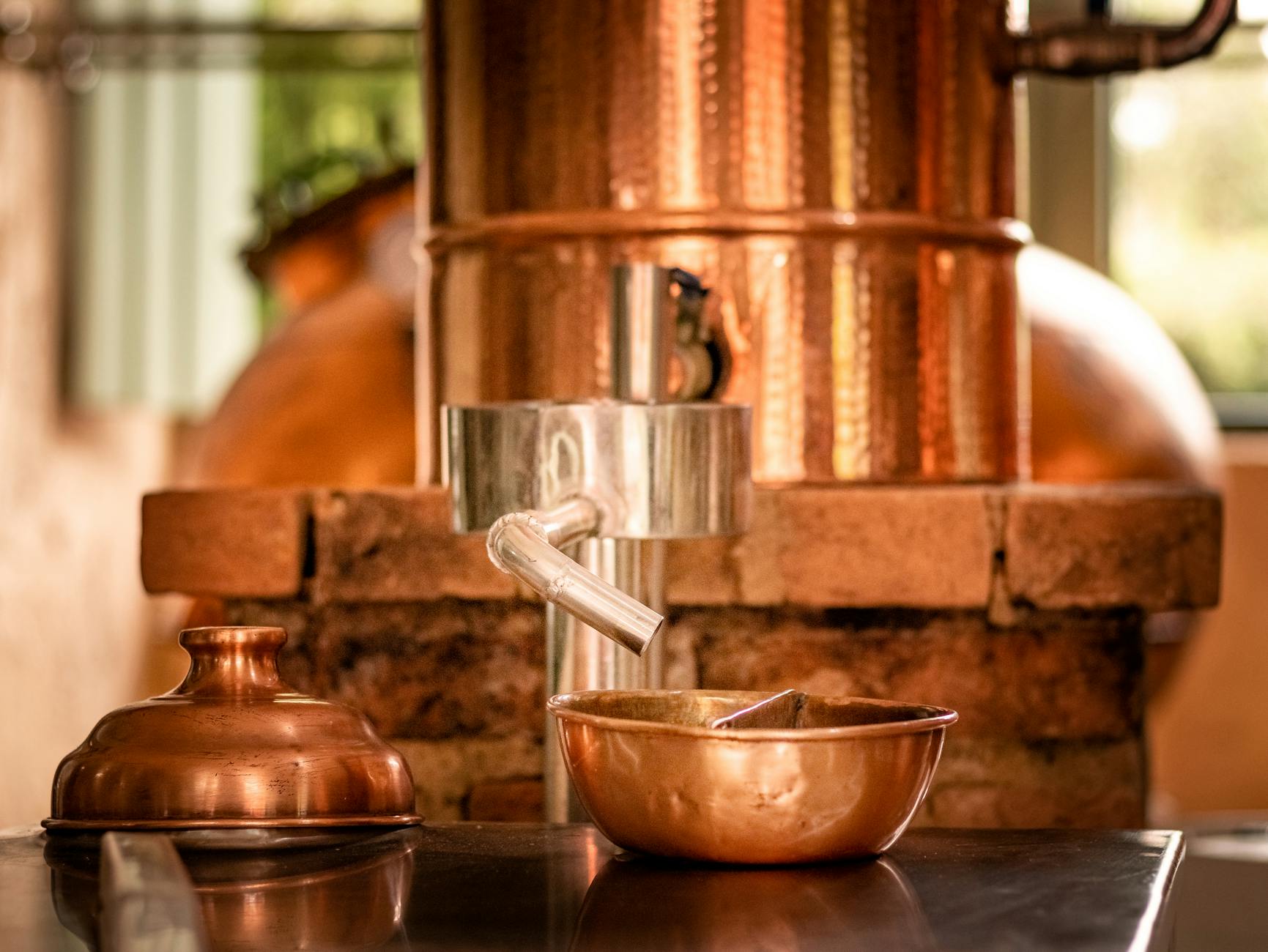
McHenry operates as a genuinely small-batch producer, with annual output that remains modest by any commercial standard. The distillery runs a copper pot still and has historically focused on quality over volume, a strategic decision that limits its ability to supply wholesale channels at scale but positions its releases as genuinely scarce commodities. In a Tasmanian whisky market that has grown significantly over the past decade — with Sullivans Cove, Lark, and Hellyers Road all expanding their international footprints — McHenry has deliberately stayed small, a posture that carries both risk and reward for those watching the secondary market.
The distillery produces a core range of single malts as well as limited seasonal and experimental expressions, some finished in locally sourced casks or influenced by the island's maritime climate. Tasmania's cool, consistent temperatures mean that spirit maturation proceeds more slowly than in warmer climates, producing whiskies that tend toward elegance and restraint rather than the bold, rapid extraction seen in some Australian mainland distilleries. For cask investors, that slower maturation profile is a meaningful data point: Tasmanian whisky aged over eight to twelve years has demonstrated strong appreciation at auction, and McHenry's limited volumes mean that secondary market supply is structurally constrained.
Trade Context
Tasmania has emerged as one of the most credible world whisky regions outside Scotland and Japan, with a handful of producers commanding prices at auction that rival established independent bottlings from Speyside. McHenry sits at the artisan end of that spectrum, but its combination of genuine scarcity, a distinctive production philosophy, and a growing international profile among whisky writers and competition judges has given it increasing traction with serious collectors. The distillery has picked up medals at international spirits competitions, and its releases appear with growing frequency on specialist retailer shelves in the United Kingdom, Europe, and Asia.
- Producer / Distillery: McHenry Distillery, Tasman Peninsula, Tasmania, Australia
- Category: World Whisky — Australian Single Malt
- Market implication: Limited annual output and structural scarcity position McHenry releases as collector targets; Tasmanian single malt continues to appreciate on secondary markets globally
Why It Matters
The broader significance of McHenry's model for the whisky trade is this: it offers a case study in how deliberate inconvenience — geographic, logistical, and commercial — can function as a long-term brand asset rather than a liability. In a category increasingly crowded with distilleries chasing volume and distribution scale, the producers who maintain genuine scarcity and a compelling origin story are the ones whose casks and bottles tend to hold and grow value over time. McHenry's remote location, far from being a weakness, is the distillery's most durable competitive advantage.
For collectors and cask investors watching the Australian whisky market, the key question is whether McHenry will maintain its current production discipline as demand grows. Any move toward significant capacity expansion would likely dilute the scarcity premium that makes its releases attractive. So far, the signals suggest the distillery understands this calculus. The dirt road up the mountain remains just as long as it ever was — and that, paradoxically, may be exactly why the whisky at the top of it keeps getting more interesting to the people who matter most to its future.
Frequently Asked Questions
Where is McHenry Distillery located?
McHenry Distillery is located on the Tasman Peninsula in southern Tasmania, Australia. It is accessible via a dirt road through bushland and is one of the most geographically remote whisky distilleries in the Southern Hemisphere. Its isolation is considered central to its production philosophy, particularly regarding its natural spring water source.
What makes McHenry whisky distinctive from other Tasmanian producers?
McHenry differentiates itself through extremely small-batch production, a reliance on mineral-rich dolerite spring water, and a commitment to slow maturation in Tasmania's cool climate. While producers like Sullivans Cove and Lark have expanded commercially, McHenry has deliberately maintained low output volumes, which contributes to the scarcity that underpins its collector appeal.
Is McHenry whisky a good investment from a cask or bottle perspective?
Tasmanian single malt as a category has shown consistent appreciation at auction over the past decade, and McHenry's structural scarcity — a result of its small production volumes — means secondary market supply is limited. While past performance does not guarantee future returns, the combination of genuine provenance, competition recognition, and constrained output makes it a credible focus for serious collectors.
How does Tasmanian whisky maturation differ from other regions?
Tasmania's consistently cool temperatures slow the rate at which spirit interacts with oak, producing a maturation profile closer to Scottish conditions than to warmer Australian mainland distilleries. This typically results in more elegant, nuanced spirit over longer ageing periods, and Tasmanian whiskies aged eight years or more have attracted particular attention from international buyers and auction houses.
Has McHenry Distillery won any industry recognition?
Yes. McHenry Distillery has received medals at international spirits competitions and has been featured by specialist whisky writers and trade publications across the United Kingdom, Europe, and Asia. Its growing critical profile has contributed to increased demand from specialist retailers internationally, though production volumes remain limited relative to that demand.