
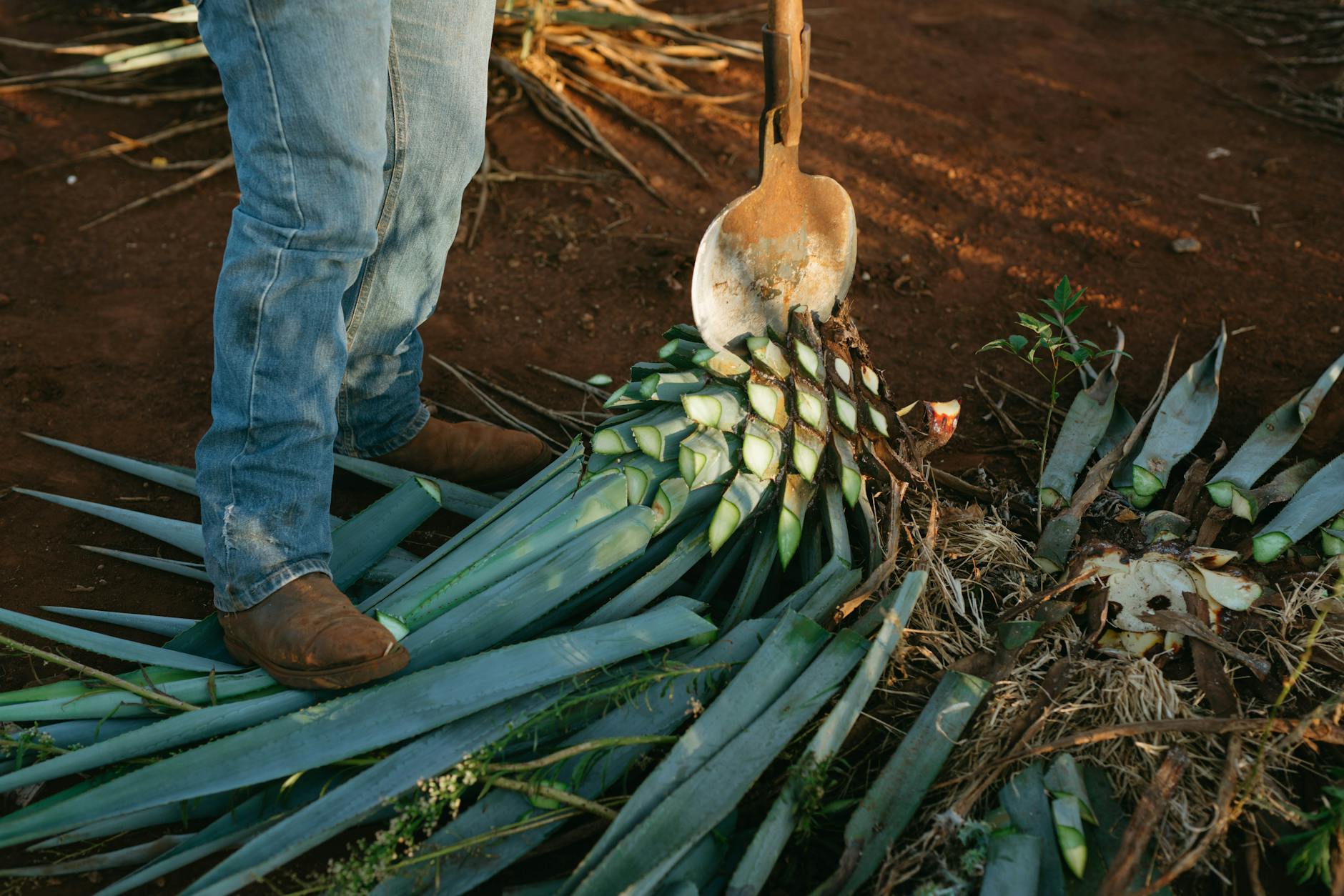
The Lost Explorer's maestro tequilero Enrique de Colsa has applied multi-cask maturation techniques to a new reposado Tequila, borrowing methods long established in Scotch production and raising questions about cask supply competition and collector crossover.
Lost Explorer Pioneers Multi-Cask Ageing for Reposado Tequila
Multi-cask ageing has long been a cornerstone of Scotch whisky production, used by distilleries from the Highlands to Speyside to build complexity, balance spirit character, and differentiate premium expressions. Now, maestro tequilero Enrique de Colsa is applying that same layered maturation logic to The Lost Explorer's latest reposado Tequila — a move that signals a meaningful crossover between the world's most technically sophisticated brown spirits categories. For the whisky trade, this is less a curiosity and more a marker of where premium ageing philosophy is heading across the broader spirits world.
What Has The Lost Explorer Actually Done?
The Lost Explorer, a premium Tequila brand that has built its identity around terroir-led production and artisanal craft, has unveiled a reposado expression developed under the direction of De Colsa using a sequential multi-cask maturation process. Rather than resting the spirit in a single barrel type for the legally mandated minimum of two months, the distillery has drawn on a rotation of different wood vessels to build a more nuanced flavour profile across the reposado's maturation window. The precise cask types involved have not been fully disclosed, but the approach mirrors the finishing and marrying techniques that have become standard practice among premium Scotch producers — think of the kind of secondary maturation in ex-sherry or ex-wine casks that has driven collector interest in expressions from distilleries such as Glenfarclas, GlenDronach, and Springbank.
De Colsa, who has spent decades working within the Tequila industry and is widely respected for his technical rigour, has been explicit that this is not a marketing exercise. The multi-cask approach was developed to address specific characteristics of the blue agave distillate — its natural sweetness, its vegetal edge, and the way it interacts with oak over relatively short maturation periods compared to Scotch. The result, according to early accounts, is a reposado with considerably more wood-derived complexity than the category standard typically delivers.
Trade Context
The Lost Explorer sits firmly in the ultra-premium Tequila segment, a category that has attracted significant investment and consumer attention over the past five years as demand for aged agave spirits has accelerated globally. The brand's focus on sustainable harvesting, single-origin agave, and small-batch production places it alongside a handful of producers attempting to reposition Tequila as a serious collector and connoisseur category rather than a volume spirit. Multi-cask maturation, if it gains traction in the reposado and añejo segments, could have meaningful implications for cask sourcing, cooperage demand, and the secondary market for aged Tequila.
- Producer: The Lost Explorer Tequila
- Maestro Tequilero: Enrique de Colsa
- Category: World Spirits — Premium Reposado Tequila
- Market implication: Multi-cask maturation techniques migrating from Scotch whisky into premium Tequila production, with potential knock-on effects for cooperage demand and collector interest in aged agave expressions
Why Does Multi-Cask Ageing Matter to the Whisky Trade?
The whisky industry's influence on global spirits maturation is rarely acknowledged openly, but it is substantial. The widespread adoption of ex-bourbon and ex-sherry cask finishing across Irish whiskey, Japanese whisky, and now increasingly rum and Tequila is a direct export of techniques refined over generations in Scotland and Kentucky. When a respected maestro tequilero begins applying multi-cask logic to reposado production, it reflects how deeply those methods have penetrated premium spirits thinking worldwide. For whisky cask investors and cooperages supplying the broader market, this represents both validation and opportunity.
The cask supply chain is the practical connection point. Premium Tequila producers seeking ex-bourbon, ex-sherry, or ex-wine barrels for finishing programmes will increasingly compete with Scotch distilleries for the same pool of quality wood. That competition has already been felt in ex-bourbon barrel pricing, where demand from Irish and Japanese producers has contributed to tighter supply and rising costs for Scottish distilleries. A meaningful shift toward multi-cask maturation in ultra-premium Tequila would add further pressure. Cooperages and independent cask brokers operating across categories are well placed to benefit, while distilleries relying on spot-market barrel purchases may face additional cost headwinds.
Beyond supply chain mechanics, the development matters because it reinforces the premiumisation narrative that is driving value across the aged spirits sector. Collectors who have built portfolios around Scotch are increasingly looking at aged rum and Tequila as complementary categories. A technically credible, maestro-led multi-cask reposado from a brand with The Lost Explorer's positioning could accelerate that crossover interest — and in doing so, raise the floor on what serious buyers expect from premium Tequila in terms of maturation complexity and transparency.
Frequently Asked Questions
What is multi-cask ageing in Tequila?
Multi-cask ageing involves maturing a spirit sequentially or simultaneously in more than one type of barrel, each contributing different flavour compounds to the final liquid. The technique is well established in Scotch whisky production but remains uncommon in Tequila, where most reposado expressions are aged in a single barrel type for the minimum legally required period.
How does this differ from standard reposado production?
Standard reposado Tequila must be aged for a minimum of two months and up to one year in oak containers. Most producers use a single barrel type throughout that period. The Lost Explorer's approach, directed by Enrique de Colsa, applies a rotation of different wood vessels to build layered complexity — a more labour-intensive and costly process that aligns with techniques used by premium Scotch distilleries.
Why should whisky cask investors pay attention to premium Tequila maturation trends?
Premium Tequila producers sourcing multiple cask types will compete for the same ex-bourbon, ex-sherry, and ex-wine barrels that Scotch distilleries rely on. Increased demand from the Tequila sector adds upward pressure to cask pricing across the board, which is directly relevant to anyone investing in or trading Scotch whisky casks.
Who is Enrique de Colsa?
Enrique de Colsa is a highly regarded maestro tequilero with decades of experience in the Mexican spirits industry. He is known for technically rigorous production methods and has been instrumental in developing The Lost Explorer's approach to terroir-driven, small-batch Tequila. His decision to adopt multi-cask maturation carries significant weight given his standing in the category.
Could multi-cask Tequila become a collector category?
It is plausible. The conditions that created collector interest in aged Scotch — limited production, transparent maturation, identifiable master distillers, and genuine complexity — are beginning to align in ultra-premium Tequila. Expressions produced using sophisticated multi-cask techniques by credible producers could attract the same secondary market attention that has driven Scotch auction values over the past decade.