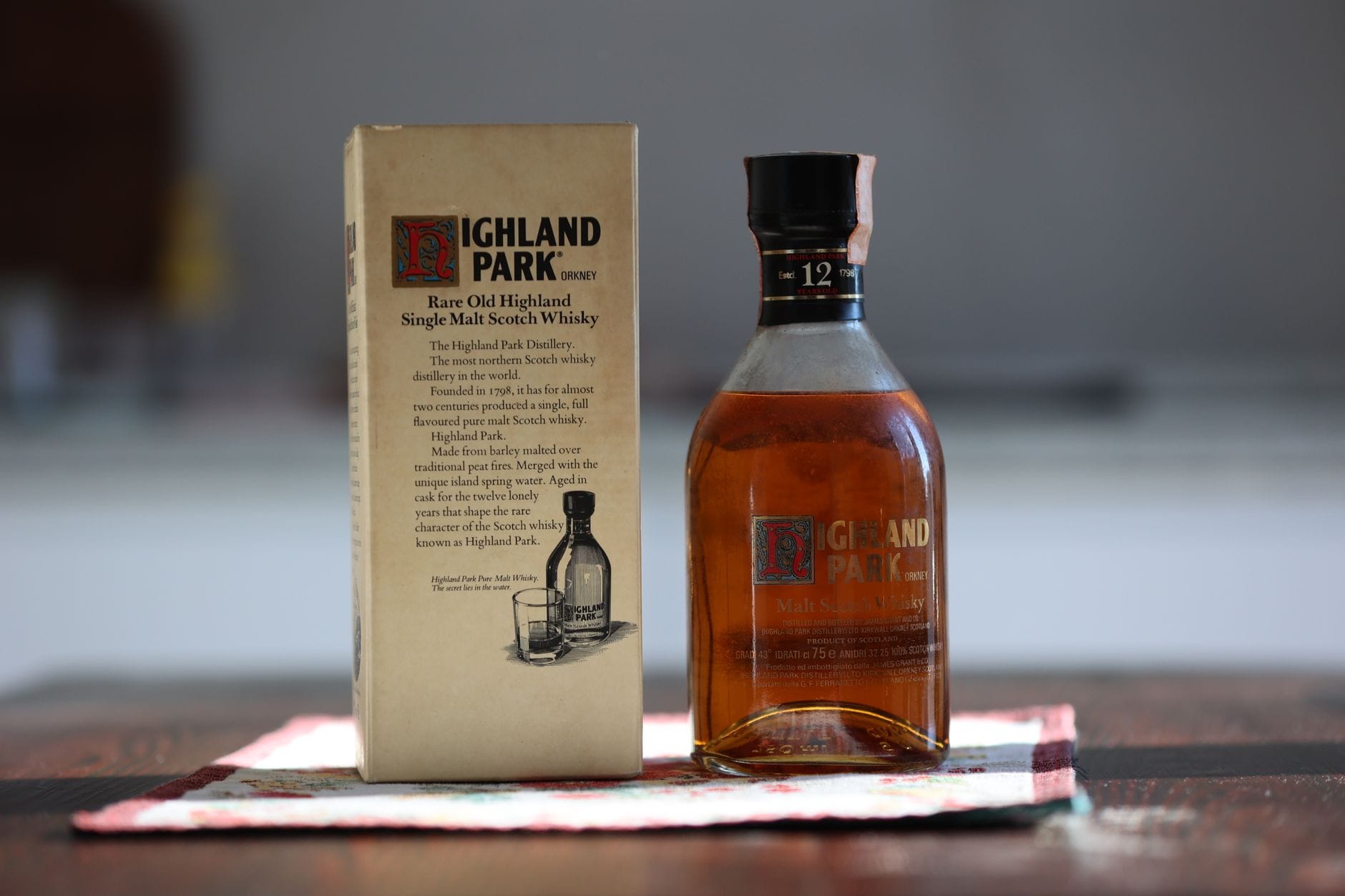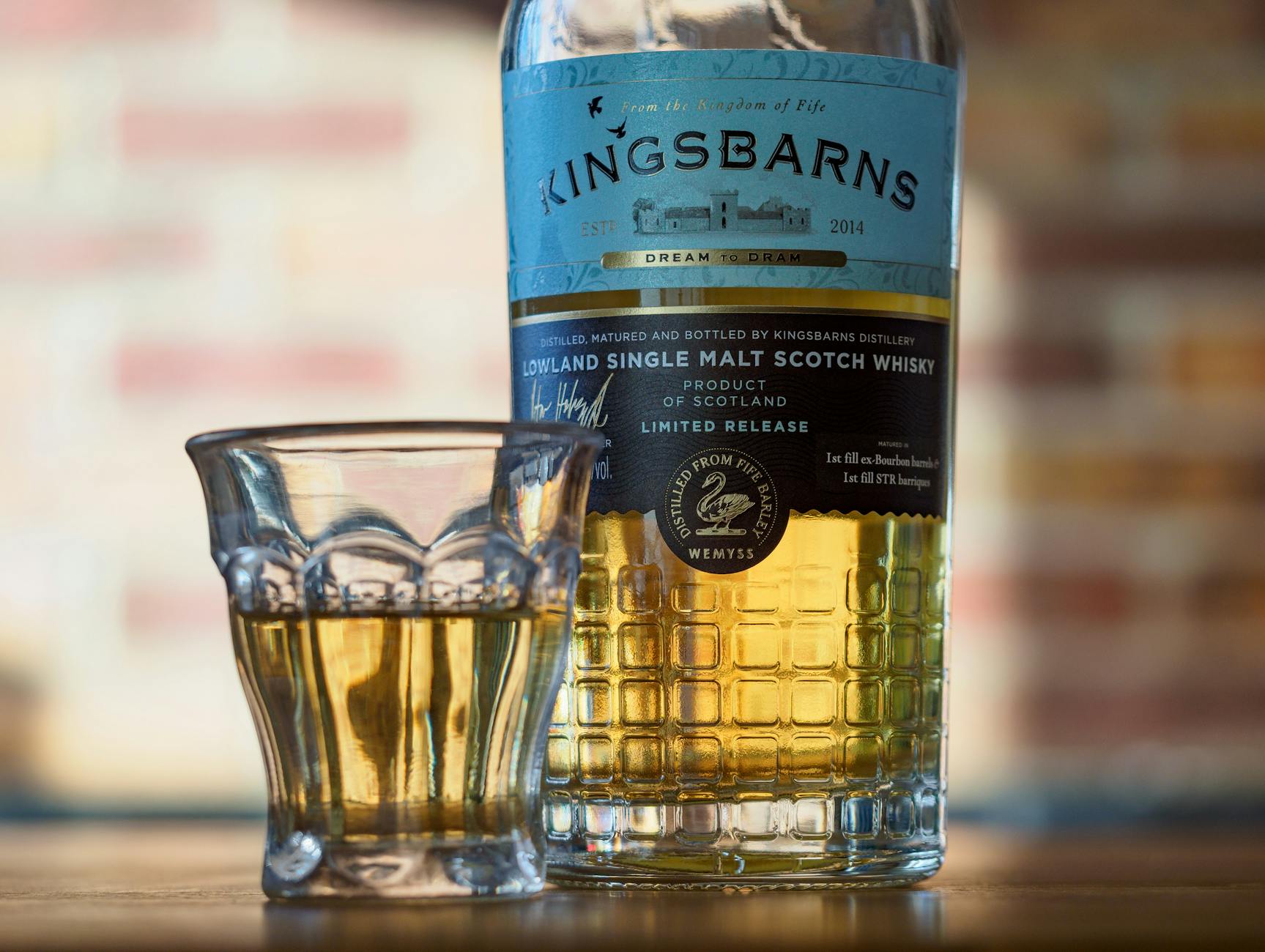
The London Spirits Competition 2026 winners were judged by over 70 trade professionals on quality, value, and packaging. This commercially focused event's results are key for retail buyers, especially in the competitive premium spirits segment.
The News
The London Spirits Competition has announced its full list of winners for 2026, with results drawn from a judging panel of more than 70 industry professionals who assessed entries across three distinct criteria: quality, value for money, and packaging. The competition, which has established itself as one of the more commercially grounded spirits contests on the international calendar, differs from many of its peers by weighting retail relevance as heavily as liquid quality. That approach has made its results increasingly useful to buyers, distributors, and brand owners trying to understand how a product performs not just in a glass, but on a shelf. This year's announcement arrives at a time when the premium and super-premium spirits segments are under real commercial scrutiny, with retailers and on-trade buyers becoming more selective about what earns shelf space and margin.
Trade Context
The competition attracted entries from across the global spirits spectrum, with whisky categories — including Scotch single malt, blended Scotch, American bourbon, rye, and world whisky — forming a substantial portion of the entry pool. Judges were drawn from the buying, distribution, and hospitality sectors, meaning the scoring reflects commercial reality rather than purely academic tasting criteria. For producers operating in competitive price brackets, a strong result here carries genuine weight with retail buyers who use the competition's outcomes as a shorthand for listing decisions. The triple-assessment model — quality, value, and packaging — is particularly relevant for independent bottlers and smaller distilleries who may score well on liquid but have historically struggled to compete with larger brands on shelf presence and perceived value. A medal at this level can materially shift a buyer's calculus.
- Competition: London Spirits Competition 2026
- Judging panel: 70+ trade professionals across retail, distribution, and hospitality
- Categories covered: Scotch, Bourbon, Rye, World Whisky, and broader spirits
- Assessment criteria: Quality, value for money, and packaging — scored independently
- Market implication: Results carry direct influence on listing decisions at retail and on-trade level
The Wider Whisky Picture
For the Scotch whisky sector specifically, recognition at a commercially oriented competition like London Spirits carries a different kind of signal than a pure liquid award. Distilleries and independent bottlers competing in the £30 to £70 retail bracket — arguably the most contested segment of the current market — face a crowded field where differentiation is increasingly difficult. A strong showing across all three judging pillars suggests a product is genuinely retail-ready, not merely impressive to connoisseurs. That distinction matters as the broader premium spirits market continues to consolidate around brands that can demonstrate consistent consumer appeal rather than simply critical acclaim. Several Scottish independents and smaller American craft distilleries have used London Spirits results in recent years to support range expansions and new market entry conversations with distributors in Asia and Europe.
The packaging criterion is worth examining in its own right. As the whisky trade has shifted more volume through e-commerce and gifting channels, bottle design and secondary packaging have become genuine commercial levers. Producers who have invested in design overhauls — particularly those repositioning heritage brands for younger consumers — will have been watching the packaging scores closely. For cask investors and those tracking brand equity, a strong packaging result can indicate that a producer is actively investing in long-term brand infrastructure, which has implications for secondary market valuations and future release pricing.
Why It Matters
The 2026 London Spirits Competition results are worth more than a trophy count. For trade buyers, the triple-assessment framework provides a structured shortcut through an increasingly saturated market, and the breadth of the judging panel lends the results a commercial credibility that purely sensory competitions sometimes lack. For whisky producers — whether established distilleries managing large portfolios or independent bottlers building a reputation bottle by bottle — a strong result here can open distribution conversations that might otherwise take years to develop. For those tracking brand trajectories in the cask and secondary markets, the winners list offers a useful data point on which producers are investing seriously in the full commercial package: liquid, price architecture, and presentation. In a market where margin pressure is real and buyer attention is finite, that combination is increasingly the difference between a listing and a pass.
Frequently Asked Questions
What makes the London Spirits Competition different from other spirits awards?
It uniquely judges entries equally on three commercial criteria: liquid quality, value for money, and packaging, making its results highly relevant for retail buyers.
Who judged the 2026 London Spirits Competition?
The judging panel consisted of over 70 trade professionals from the retail, distribution, and hospitality sectors, ensuring a commercially grounded perspective.
Why is the packaging score important in this competition?
Packaging is a key commercial lever, especially for e-commerce and gifting. A strong score indicates a brand is investing in shelf appeal and long-term brand infrastructure.
How can a win at this competition help a spirits brand?
A medal can directly influence retail listing decisions and support smaller producers and independent bottlers in conversations with distributors for range expansions and new market entry.
Which spirit categories were prominent in the 2026 competition?
Whisky categories formed a substantial portion of entries, including Scotch single malt, blended Scotch, American bourbon, rye, and world whisky.