
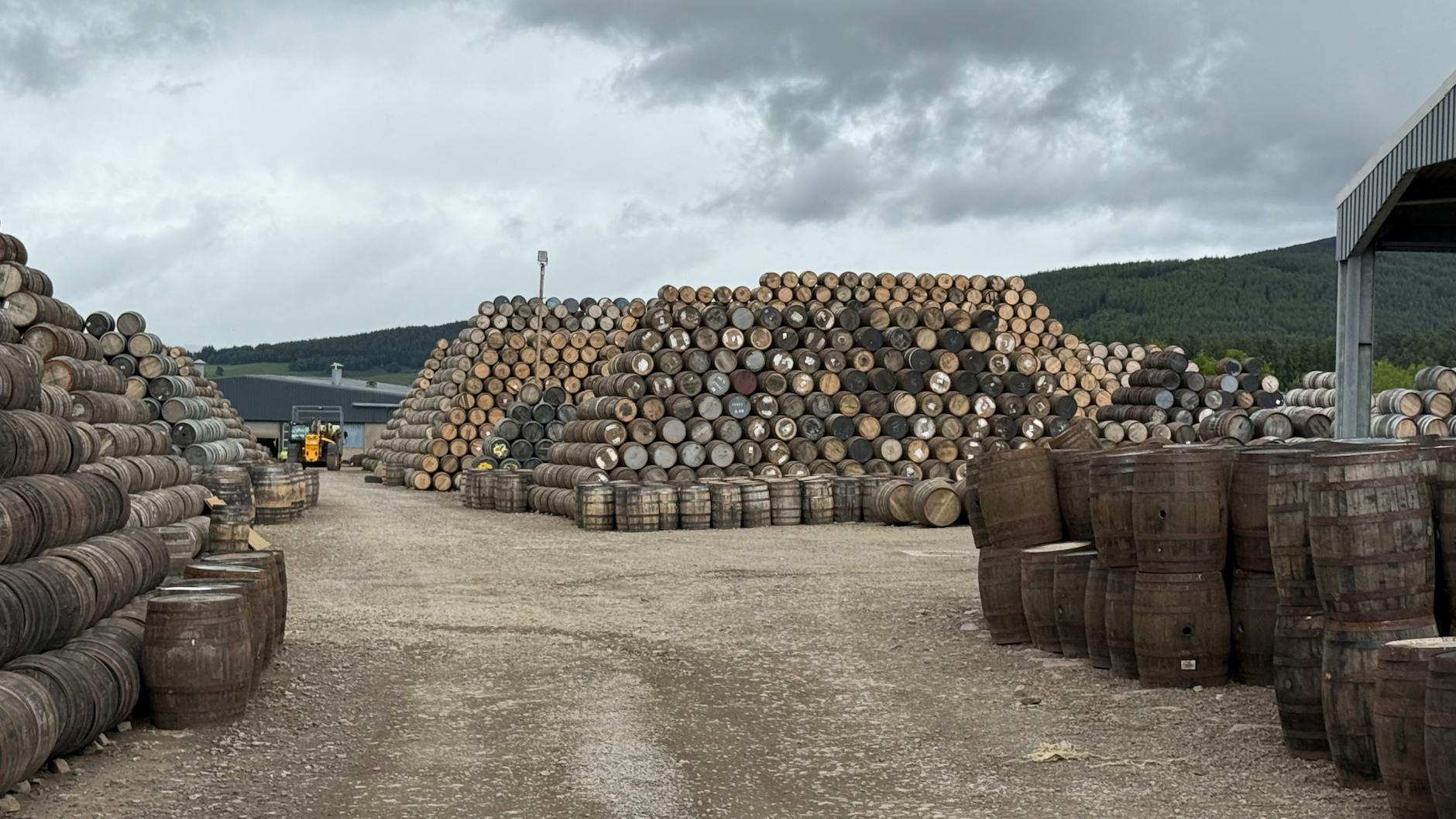
The India.UK FTA will reduce Scotch whisky's 150% import duty by 60% over ten years. This makes premium Scotch more accessible in India and pushes Indian distillers to improve quality and branding to compete, potentially boosting exports.
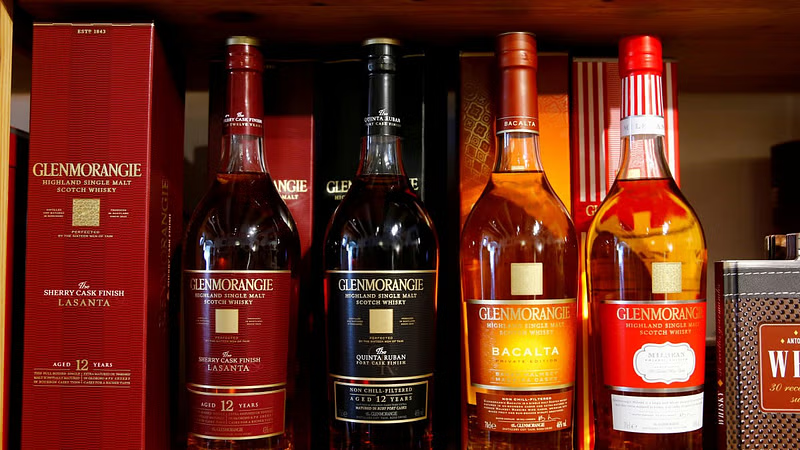
India-UK FTA to Boost Scotch and Premium Indian Whisky
India’s growing appetite for premium spirits is set to gain further momentum, as the long-anticipated India-UK Free Trade Agreement (FTA) moves closer to reality. One of its most significant provisions—slashing import duties on Scotch whisky—is expected to not only expand access to iconic global brands but also catalyze a premiumisation trend among Indian distillers.
Scotch Gets a Smoother Entry
Under the proposed FTA, import duties on Scotch whisky—currently levied at a steep 150%—are expected to be cut by 60% over ten years, with a 15% initial reduction in the first year. This gradual reduction will make premium and super-premium Scotch whiskies more accessible to Indian consumers, helping brands like Johnnie Walker, Chivas Regal, and Glenfiddich capture more market share in one of the world’s fastest-growing whisky markets.
The move aligns with the broader trade goal of enhancing bilateral investment and easing market access. For UK-based distillers, this means a clearer runway into a country that consumed 2.5 billion litres of spirits in 2023 alone, with whisky accounting for a lion’s share.
A Wake-Up Call for Indian Distillers
While increased Scotch imports may be perceived as a threat to local distillers, Indian whisky makers are viewing the FTA as a strategic opportunity. According to analysts, brands such as Amrut, Radico Khaitan, and Piccadilly are intensifying their focus on the premium segment, refining production processes, and enhancing branding to compete with their Scottish counterparts.
With more Indian consumers trading up from mass-market labels to premium offerings, local distillers are looking to improve product quality and tap into the aspirational lifestyle narrative that Scotch often embodies.
Rising Quality, Rising Exports
Interestingly, the FTA may also indirectly benefit Indian whisky exports. By aligning with global quality benchmarks and adopting more transparent labeling practices, Indian premium whiskies can better position themselves in international markets. Amrut and Paul John have already made significant inroads in Europe and the US—this trade agreement could help accelerate that trajectory.
Industry Optimism and Government Strategy
The Confederation of Indian Alcoholic Beverage Companies (CIABC) has welcomed the FTA’s potential, noting that better access to quality Scotch could uplift the entire industry. It is also urging the government to support local distillers in modernizing facilities and simplifying excise regulations to maintain competitiveness.
In parallel, the Indian government views this deal as a showcase of its commitment to global trade liberalization, without compromising the interests of domestic industries. The staged duty reduction ensures a level playing field while encouraging quality improvements across the board.
Final Pour
As the India-UK FTA edges closer to implementation, both Scotch exporters and Indian distillers have reason to raise a glass. The deal is more than a tariff tweak—it’s a catalyst for evolution in one of the world’s most dynamic whisky markets.
From premiumisation to global positioning, India’s whisky industry may be on the verge of its next big transformation.
Discover more about whisky casks and promotions at whiskybulletin.com.
Frequently Asked QuestionsHow will the India-UK FTA affect Scotch whisky prices in India?
The FTA will slash the current 150% import duty on Scotch by 60% over ten years, with an initial 15% cut, making premium Scotch whiskies more affordable for Indian consumers.What is the impact of the FTA on Indian whisky distillers?
Indian distillers see the FTA as an opportunity to focus on the premium segment, improve production quality, and enhance branding to compete with imported Scotch and tap into the growing domestic demand for premium spirits.Can the India-UK FTA benefit Indian whisky exports?
Yes, by encouraging Indian distillers to align with global quality benchmarks and transparent labeling, the FTA can help premium Indian whiskies like Amrut and Paul John gain better positioning in international markets such as Europe and the US.What is the current import duty on Scotch whisky in India?
The import duty on Scotch whisky in India is currently levied at a steep 150%.
Frequently Asked QuestionsHow will the India-UK FTA affect Scotch whisky prices in India?
The FTA will cut the 150% import duty by 60% over ten years, starting with a 15% reduction, making premium Scotch whiskies more affordable for Indian consumers.What is the impact of the FTA on Indian whisky makers?
Indian distillers see it as an opportunity to focus on premium segments, improve production quality, and enhance branding to compete with imported Scotch.Can the India-UK FTA help Indian whisky exports?
Yes, by encouraging alignment with global quality standards and labeling, the FTA can help premium Indian whiskies gain better access to international markets.What is the timeline for the Scotch whisky duty reduction?
The 60% reduction on the current 150% duty will be phased in gradually over a period of ten years.