Ian Somerhalder identifies key 2026 American whiskey trends: premiumization, cask finishing, and demand for transparent, founder-led brands. His brand, Brother's Bond Bourbon, competes in the fast-growing $40–$60 segment, reflecting educated consumers and a stratifying market.
What Are the Biggest American Whiskey Trends Shaping the Market Right Now?
Brother's Bond Bourbon co-founder Ian Somerhalder is pointing to five converging forces that are reshaping the American whiskey category in 2026, from premiumisation and cask-finishing experimentation to the growing appetite for founder-led brands with traceable provenance. Somerhalder, who co-founded Brother's Bond Bourbon alongside fellow actor Paul Wesley, sat down with Whisky Bulletin to discuss where the bourbon and American whiskey market is heading — and why the signals matter well beyond the celebrity spirits space. Brother's Bond Bourbon is a Kentucky-sourced bourbon brand, bottled at 45% ABV, that has positioned itself firmly in the premium tier since its 2021 launch. The brand's trajectory is a useful lens through which to read broader shifts in consumer demand, on-trade positioning, and the evolving role of provenance in American whiskey marketing.
If you are a cask investor, a whisky buyer for a retail group, or a trade professional tracking category dynamics, American whiskey in 2026 is not a peripheral conversation. According to data from the Distilled Spirits Council of the United States (DISCUS), American whiskey generated over $4.5 billion in supplier revenue in 2024, with the premium and super-premium segments driving the majority of volume growth. The category is not slowing — it is stratifying, and that stratification has direct implications for cask valuations, inventory strategy, and brand positioning across the Atlantic.
"The consumer is more educated than ever. They're reading mash bills, asking about rick house placement, and comparing finishing casks. That changes everything about how you build a bourbon brand in 2026." — Ian Somerhalder, Brother's Bond Bourbon
What Is Brother's Bond Bourbon and How Does It Fit the Premium Tier?
Brother's Bond Bourbon is a Kentucky-produced, founder-led bourbon brand established in 2021 by Ian Somerhalder and Paul Wesley, both known internationally for their roles in The Vampire Diaries. The brand sources its liquid from established Kentucky distilleries, a common and commercially legitimate practice in American whiskey, and bottles its flagship expression at 45% ABV using a four-grain mash bill that incorporates corn, rye, wheat, and malted barley. The use of a four-grain recipe is a deliberate point of differentiation in a category where high-rye and high-wheat bourbons dominate shelf conversation. Brother's Bond has since expanded its range to include a cask-strength expression and a straight bourbon aged a minimum of four years in new charred American oak barrels — the legal baseline for bourbon classification under the Standards of Identity.
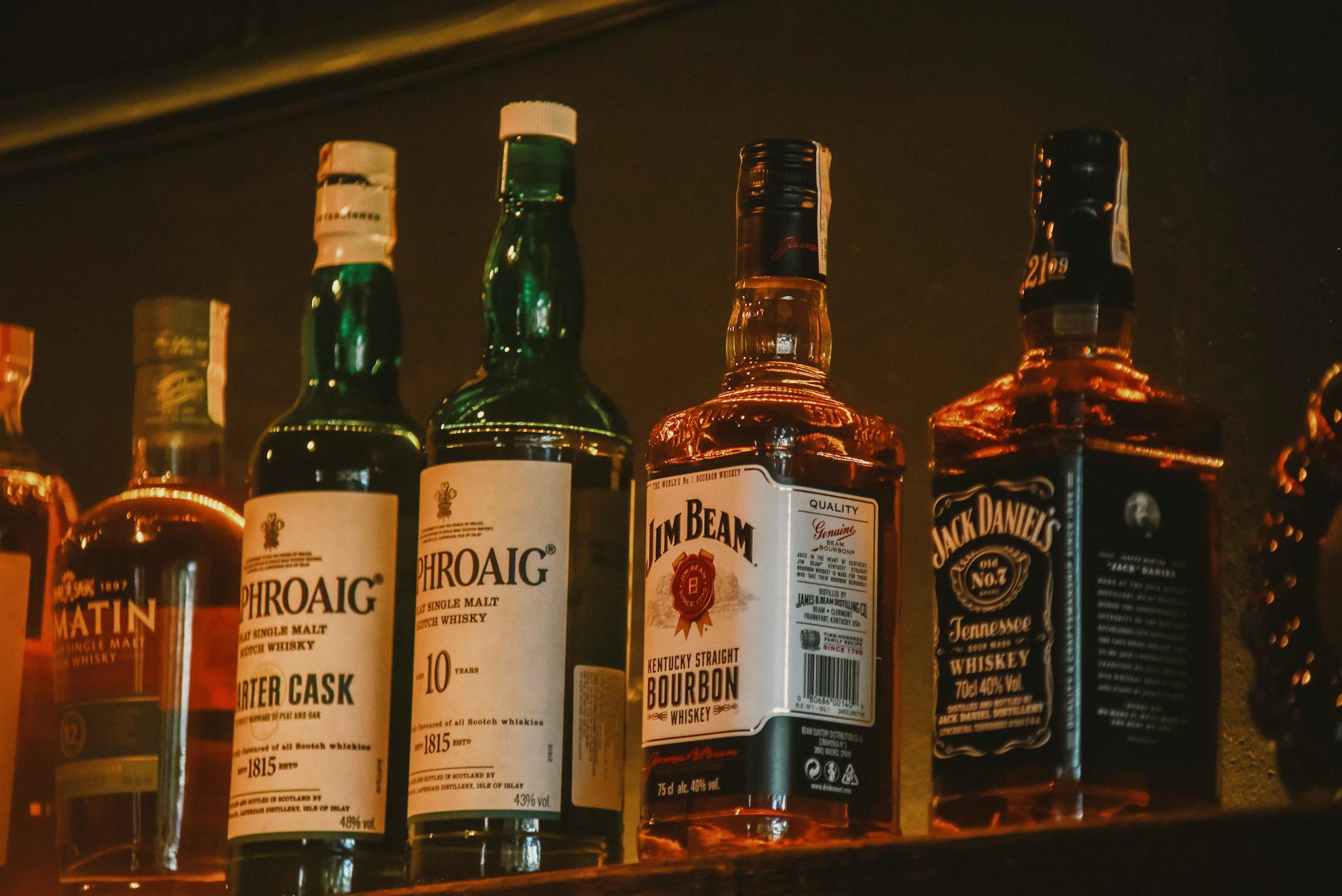
What makes the brand commercially interesting to trade observers is its retail footprint. Brother's Bond is now distributed across all 50 US states and has made inroads into key export markets including the UK, where premium American whiskey shelf space has grown substantially since 2022. The brand's positioning at the $40–$60 price point places it squarely in the sweet spot that DISCUS identifies as the fastest-growing segment by both volume and value. For retailers and importers, that price band represents the most competitive real estate in American whiskey right now, with established names like Woodford Reserve, Knob Creek, and Basil Hayden all fighting for the same consumer.
Why Are Cask Finishing and Provenance Transparency the Dominant Talking Points in American Whiskey?
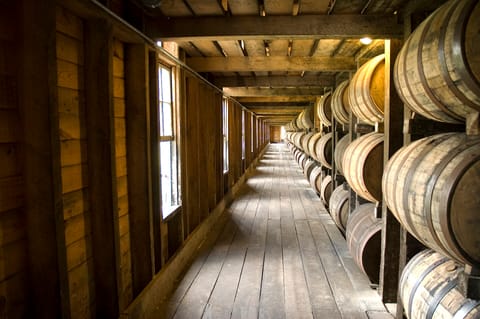
Cask finishing is accelerating across the American whiskey category, and Somerhalder identifies it as one of the clearest expressions of where consumer sophistication is heading. Finishing — the practice of transferring a matured bourbon into a secondary cask, typically ex-wine, ex-rum, or ex-Scotch whisky wood — is not new, but its commercial application in bourbon has expanded sharply since 2022. Brands including Rabbit Hole Distillery in Louisville, Kentucky, and Angel's Envy, owned by Bacardi, have built significant equity around port pipe and rum cask finishes respectively. The regulatory framework governing bourbon does not prohibit finishing, provided the spirit meets all other Standards of Identity requirements before the secondary maturation begins.
Provenance transparency is the parallel trend. Somerhalder notes that today's premium bourbon consumer is actively researching mash bills, distillery sources, rick house positioning, and barrel entry proof — information that was largely the domain of enthusiast forums five years ago but now circulates freely on social media and retail shelf talkers. This shift has meaningful implications for sourced-liquid brands like Brother's Bond, which must communicate the quality and intentionality of their curation rather than simply the celebrity association. Brands that cannot articulate their supply chain with specificity are increasingly vulnerable as the consumer base matures. The trend mirrors what happened in Scotch whisky single malt marketing a decade ago, when distillery character and production method became primary purchase drivers over brand heritage alone.
How Does the American Whiskey Boom Affect Cask Investors and Scotch Whisky Trade Dynamics?
The growth of premium American whiskey has a direct read-across for Scotch whisky cask investors and trade buyers, and it operates in both competitive and complementary directions. On the competitive side, the $40–$80 retail tier is now genuinely contested between premium bourbons and entry-level single malt Scotch expressions — a dynamic that did not exist at scale before 2020. Distilleries in Speyside and the Highlands are acutely aware that a bottle of Brother's Bond or Woodford Reserve Double Oaked sits on the same shelf and at the same price as a 12-year-old single malt from a mid-tier Scottish producer.
On the complementary side, the rising global profile of American whiskey has expanded the total addressable market for premium brown spirits, creating new consumers who then migrate into Scotch, Irish, and Japanese whisky as their palates develop. Several independent bottlers operating in the UK have reported increased interest in American whiskey casks as alternative investment vehicles, though the regulatory and logistical framework for private cask ownership in the US differs substantially from the established Scotch cask market infrastructure. The key differences include:
- New oak requirement: Bourbon must mature in new charred American oak containers, meaning casks cannot be re-used for bourbon maturation — a fundamental structural difference from Scotch, where ex-bourbon casks are themselves a core commodity.
- No minimum age statement for standard bourbon: Unlike Scotch whisky, which requires a minimum of three years maturation, straight bourbon requires two years in new charred oak, creating a faster capital cycle for producers.
- Sourcing opacity: Many American whiskey brands source from a small number of large distilleries including MGP Ingredients in Lawrenceburg, Indiana, and Buffalo Trace Distillery in Frankfort, Kentucky — meaning cask provenance tracking requires greater due diligence than in the more transparent Scotch market.
- Barrel entry proof cap: US regulations cap bourbon barrel entry proof at 125 proof (62.5% ABV), a production parameter that directly influences flavour development and final ABV at bottling.
- Export tariff exposure: American whiskey exports to the EU and UK remain sensitive to trade policy shifts, with historical tariff disputes between 2018 and 2022 demonstrating how quickly the category's export economics can change.
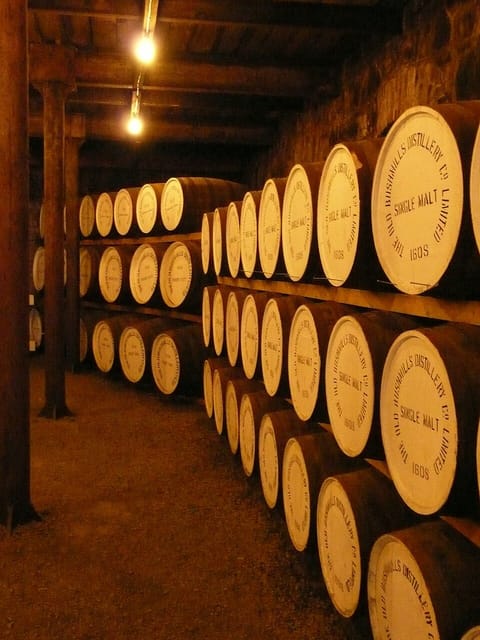
For Scotch cask market participants, the practical implication is that used American oak barrels — the ex-bourbon hogsheads and barrels that form the backbone of Scotch maturation — remain in strong demand precisely because bourbon's new oak requirement generates a continuous supply of seasoned wood. Any sustained growth in American whiskey production volumes is therefore a net positive for Scotch distilleries seeking competitively priced cask wood, particularly for distilleries in Speyside and Islay that rely heavily on first-fill and refill ex-bourbon casks.
Frequently Asked Questions
What is Brother's Bond Bourbon and who founded it?
Brother's Bond Bourbon is a Kentucky-sourced premium bourbon brand co-founded in 2021 by actors Ian Somerhalder and Paul Wesley. The flagship expression uses a four-grain mash bill and is bottled at 45% ABV. The brand is distributed across all 50 US states and select international markets including the UK.
How does bourbon differ from Scotch whisky in terms of cask regulations?
Bourbon must be matured in new charred American oak containers, whereas Scotch whisky is predominantly aged in previously used casks, most commonly ex-bourbon barrels. Bourbon requires a minimum of two years maturation for the straight bourbon designation, compared to Scotch whisky's legal minimum of three years. Bourbon must also be distilled from a mash of at least 51% corn and entered into the cask at no more than 125 proof.
Why is cask finishing becoming more common in American whiskey?
Cask finishing allows producers to add flavour complexity and product differentiation without altering the core bourbon recipe or violating Standards of Identity, provided the base spirit already meets all bourbon requirements before secondary maturation. Consumer demand for novel flavour profiles and the commercial success of finished expressions from brands like Angel's Envy and Rabbit Hole Distillery have accelerated adoption across the category.
What does American whiskey growth mean for Scotch cask investors?
Growing American whiskey production increases the supply of used American oak casks available to Scotch distilleries, which can moderate cask wood costs. It also intensifies competition for premium shelf space in the $40–$80 retail tier, where single malt Scotch and premium bourbon now compete directly. Cask investors should monitor US production volumes and trade policy developments as both factors influence Scotch maturation economics.
Who are the key distilleries and producers in the premium American whiskey segment?
Key producers include Buffalo Trace Distillery in Frankfort, Kentucky (owned by Sazerac Company), Woodford Reserve Distillery in Versailles, Kentucky (owned by Brown-Forman), Rabbit Hole Distillery in Louisville, Kentucky, Angel's Envy (owned by Bacardi), and MGP Ingredients in Lawrenceburg, Indiana, which supplies sourced liquid to numerous independent brands including Brother's Bond Bourbon.
What to Watch: Key Developments Ahead for American Whiskey Trade Observers
The next 12 months will test several of the trends Somerhalder identifies. Watch Buffalo Trace Distillery's allocation strategy as its allocated expressions including Pappy Van Winkle and Eagle Rare continue to command secondary market premiums that distort category perception at the ultra-premium end. Monitor Brown-Forman's financial reporting for signals on Woodford Reserve volume growth, which functions as a reliable barometer for the premium bourbon segment overall. Track any movement on US-EU or US-UK trade tariff negotiations that could affect American whiskey export pricing into Whisky Bulletin's core readership markets. And watch the cask-finishing category closely — the first American whiskey brand to build a credible, transparent, and consistently executed finishing programme at scale will own a significant share of the next wave of premium growth. For trade buyers and cask investors, the actionable step is straightforward: treat American whiskey not as a peripheral category but as a direct market intelligence input for Scotch cask strategy, pricing benchmarks, and consumer trend forecasting.