A 30-distillery survey finds hand fills and exclusives genuinely valuable at limited-output producers like Springbank and Kilchoman, but increasingly theatrical at high-volume sites — a distinction the secondary market is already pricing in.
Distillery Exclusives and Hand Fills: Worth the Journey or Clever Marketing?
After visiting 30 distilleries across Scotland, Ireland, and the United States over the course of eighteen months, one question kept surfacing at every visitor centre counter and barrel-side bottling station: are distillery exclusives and hand fills genuinely special products, or has the industry quietly turned a compelling ritual into a premium-priced margin exercise? The answer, it turns out, is neither clean nor comfortable — and it has real implications for how distilleries are positioning themselves in a tightening consumer market.
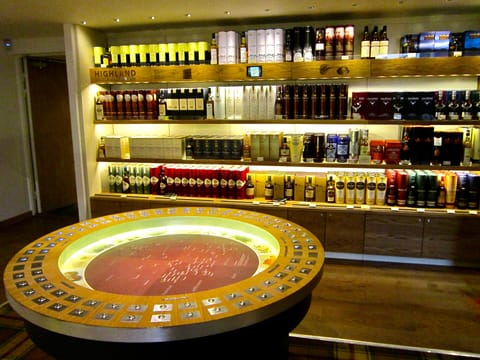
The hand fill concept is straightforward enough. Visitors pay a premium — typically between £25 and £80 for a standard 70cl bottle in Scotland, though some distilleries charge considerably more — to draw spirit directly from a cask on-site, often with a degree of personalisation around label design or cask selection. The experience is tactile, immediate, and emotionally resonant in a way that a shelf purchase simply cannot replicate. Distilleries from Springbank in Campbeltown to Deanston in Stirlingshire have built substantial visitor loyalty around the format, and secondary market activity on platforms like Whisky Auctioneer confirms that certain distillery-exclusive bottlings command meaningful premiums over their original retail price.
What the 30-Distillery Survey Actually Found
Across the thirty sites visited, the quality and authenticity of the hand fill offering varied enormously. At one end of the spectrum sat distilleries where the cask selection was genuinely curated, staff could speak in granular detail about the wood policy, and the spirit itself was demonstrably different from anything available through standard retail channels. Springbank, Kilchoman, and Glencadam were among those where the exclusivity felt earned rather than engineered. The bottles leaving those sites carry genuine scarcity — production volumes are limited, casks are finite, and the distillery has no particular incentive to flood the secondary market with comparable stock.
At the other end sat a cluster of larger, more commercially oriented operations where the hand fill station appeared to function primarily as a revenue conversion tool within the broader visitor experience. In several cases, the spirit being bottled on-site was drawn from the same vatting or cask type available through the distillery's standard range, with the premium justified largely by the theatre of the process rather than the uniqueness of the liquid. This is not inherently dishonest, but it does matter — particularly for collectors and cask investors who are making purchasing decisions partly on the assumption of genuine scarcity.
Trade Context
The distillery exclusive and hand fill category has grown substantially over the past decade, driven by the broader premiumisation trend, rising visitor numbers pre-pandemic, and a collector culture that increasingly values provenance and traceability over brand recognition alone. Distilleries have recognised that the visitor centre is no longer just a hospitality function — it is a direct-to-consumer sales channel that bypasses the trade margin entirely and builds a loyalty relationship that is difficult for retailers to replicate.
- Producer / Distillery: Multiple — including Springbank, Kilchoman, Glencadam, Deanston, and approximately 26 additional sites across Scotland, Ireland, and the US
- Category: Scotch, Irish Whiskey, and American Whiskey
- Market implication: Authenticity of scarcity is becoming a key differentiator; distilleries that can credibly demonstrate cask-level uniqueness are building secondary market value, while those using hand fills as a margin tool risk reputational erosion among informed collectors
Secondary market data supports a bifurcation in how these bottles are being received by the trade. Genuinely scarce distillery exclusives from producers with limited annual output continue to appreciate reliably at auction, with some Springbank distillery-only releases achieving two to three times their original fill price within twelve months. By contrast, hand fills from high-volume distilleries with broad retail distribution tend to plateau quickly on the secondary market, suggesting that buyers are becoming more discerning about what genuine exclusivity actually means.
Why It Matters for Collectors and Cask Investors
For anyone with a serious interest in the whisky trade — whether as a collector, a cask investor, or a trade buyer assessing where consumer loyalty is being built — the hand fill category deserves more rigorous scrutiny than it typically receives. The ritual of filling your own bottle is powerful, and distilleries have been astute in leveraging it. But the underlying question of whether the liquid inside justifies the premium and the journey is one that the market is beginning to answer with secondary sale data rather than marketing copy.
Distilleries that are serious about the format — those investing in dedicated single-cask selections, transparent wood policies, and genuine production differentiation for their visitor-only releases — are creating a defensible category with real collector appeal. Those treating it as a high-margin upsell risk finding that a more informed consumer base, armed with auction data and online community knowledge, will eventually price the theatre out of the equation. The hand fill is not going away, but the gap between those doing it well and those doing it expensively is widening, and the trade is starting to notice.
Frequently Asked Questions
Are distillery hand fills worth buying as collectables?
It depends entirely on the producer. Hand fills from distilleries with genuinely limited output and transparent cask selection — such as Springbank or Kilchoman — have a credible secondary market track record and can appreciate meaningfully. Hand fills from high-volume producers with broad retail distribution tend to hold less collector value, as the scarcity argument is harder to sustain.
How do distillery exclusives affect cask investment decisions?
Distillery exclusives signal how a producer manages scarcity and direct-to-consumer relationships. A distillery that carefully controls its exclusive output is likely applying similar discipline to its cask programme, which is a positive indicator for cask investors. Conversely, distilleries that dilute exclusivity through volume-driven hand fill operations may be signalling a more commercially aggressive approach to inventory management.
What price premium should I expect to pay for a hand fill at a Scottish distillery?
Prices vary widely. Entry-level hand fills at smaller distilleries typically start around £25 to £40 for a 70cl bottle, while premium single-cask selections at sought-after producers can reach £80 to £150 or more. Some limited releases at distilleries like Springbank command higher prices still, particularly when aged stock is involved.
Do distillery exclusives perform well at auction?
The best-performing distillery exclusives at auction tend to come from producers with constrained capacity and strong brand credibility among collectors. Platforms like Whisky Auctioneer and Scotch Whisky Auctions show consistent demand for Springbank and Kilchoman distillery-only bottlings, while exclusives from larger commercial operations typically achieve more modest secondary premiums.
How can I tell if a hand fill is genuinely exclusive or just a marketing exercise?
Ask the distillery directly which cask the spirit is drawn from, whether that cask type is available through standard retail channels, and how many bottles are being drawn from it. Genuine exclusivity comes with specific, verifiable answers. Vague responses about the liquid being "special" or "unique to the visitor experience" without cask-level detail are a reasonable signal that the exclusivity is primarily theatrical.