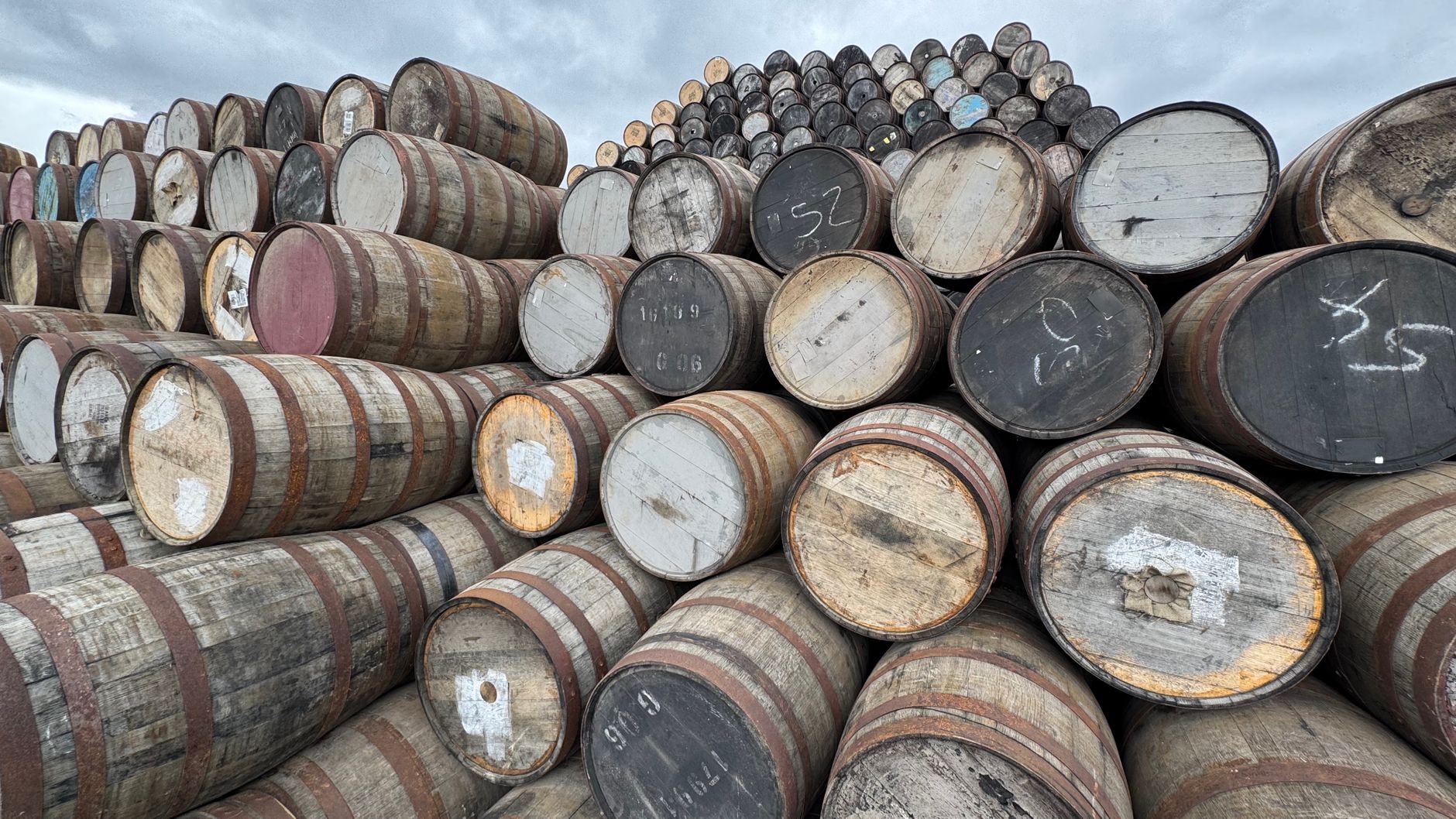

In 2026, the most prestigious gift isn’t found in a velvet box; it’s maturing quietly in a bonded warehouse in the Scottish Highlands. Gifting a cask of whisky represents a transition from ephemeral luxury to a multi-generational legacy. You likely recognize that high-end gifting often feels repetitive. You may also worry that the legal maze of spirit ownership or the complexities of warehouse logistics will turn a grand gesture into a bureaucratic burden. We understand the need for a gift to be more than a certificate. It must be a secure, tangible asset that reflects the 280% ten-year growth trend reported by the 2024 Knight Frank Luxury Investment Index.
Geography dictates the foundational character of the spirit. Speyside distilleries produce elegant, honeyed liquids that appeal to a broad palate. Islay offers a more polarized, medicinal character, famous for its heavy peat smoke and coastal influence. The Highlands deliver a robust, versatile profile often characterized by heather and spice. To better understand these nuances before committing to a cask, it’s helpful to find out more about Single Malt Scotch Whisky and its diverse profiles. Every cask must adhere to the strict production standards defined by The Scotch Whisky Regulations 2009, which ensures the authenticity and legal protection of your gift throughout its maturation journey.
This guide provides the exact roadmap to navigate the selection process and legal transfers required for a seamless experience. You’ll discover how to secure clear title for the recipient and ensure the liquid appreciates in value while resting in its original home. From choosing a distillery to the final deed of ownership, we’ll show you how to build a legacy that lasts for decades.
Key Takeaways
- Understand why a maturing spirit offers a more profound multi-generational legacy than traditional luxury goods like watches or cars.
- Learn how to match the perfect Scotch region and flavor profile to your recipient’s unique personality and long-term investment goals.
- Master the prestigious process of gifting a cask of whisky, from navigating legal transfers to securing a formal Deed of Ownership.
- Discover strategic gifting timelines for major milestones that allow the asset to appreciate in value and character alongside your loved ones.
- Explore how professional “White Glove” advisory services simplify the complexities of sourcing, storing, and managing rare liquid assets.
The Philosophy of Gifting a Cask of Whisky: Why It Is the Ultimate Legacy
Gifting a cask of whisky is an act of profound foresight. Most luxury items are static acquisitions. A high-end watch tells the time; a cask captures it. While a luxury vehicle loses roughly 20% of its value the moment it leaves the showroom, a cask of maturing spirit evolves. It’s a living asset. It breathes, matures, and improves within the quiet confines of a Scottish bonded warehouse. This process turns a simple purchase into a masterpiece of patience.
Most luxury goods are ephemeral. They wear out, go out of style, or require constant maintenance to retain their luster. Scotch whisky is different. It’s a tangible asset that gains complexity through the simple passage of years. Within the cool, damp environment of a traditional dunnage warehouse, the spirit interacts with the oak staves of its container. This chemical dance creates flavors that no laboratory can replicate. You’re not just buying a product; you’re securing a slice of history. For those seeking a comprehensive overview of whisky and its deep historical roots, the production process reveals why these casks are so highly valued by collectors globally.
The romantic narrative of the “Angel’s Share” adds a layer of poetry to the investment. Each year, approximately 2% of the cask’s volume evaporates through the porous wood. It’s a natural tax paid to the heavens. This loss is essential. It concentrates the flavors and smooths the edges of the spirit. When gifting a cask of whisky, you’re inviting the recipient to own a piece of this atmospheric transformation. It’s a sensory journey that rewards the patient observer.
Beyond the Bottle: The Prestige of Cask Ownership
A bottle is a finished chapter. A cask is an ongoing story. Ownership offers a level of exclusivity that even the rarest 1-of-100 limited editions can’t match. Every cask has a unique “fingerprint” dictated by the specific tree it came from and its exact position in the warehouse. When you gift a cask, you provide a unique liquid profile that will never exist again in exactly the same way. It’s a powerful psychological statement. It signals that the recipient is a true connoisseur with a direct link to Scottish heritage.
A Gift for the Next Generation
Casks function as exceptional multi-generational assets. They’re often used to mark “maturation milestones” for children or grandchildren. A cask filled in 2024 will reach its peak character just as a newborn reaches their 18th or 21st birthday. This alignment of the whisky’s age with a human life creates an emotional bond that a bank transfer simply cannot achieve. Gifting a cask of whisky allows a family to build a curated portfolio of Scotch that appreciates in both sentiment and value. Legacy is liquid. By the time the cask is ready for bottling, it may yield up to 500 individual bottles, providing a ready-made cellar for the next generation to enjoy or trade as they see fit.
How to Select the Perfect Cask: A Strategic Guide for Gifters
Selecting the right vessel for gifting a cask of whisky requires a blend of sentiment and financial strategy. You’re not just buying a liquid; you’re securing a tangible piece of Scottish heritage that evolves every day it remains in the warehouse. Your first step involves identifying the recipient’s primary motivation. Data from 2023 suggests that 68% of cask owners view their purchase as a dual-purpose asset, combining a passion for fine spirits with a desire for long-term capital growth. If the recipient is a pure connoisseur, prioritize flavor profiles. If they’re an investor, prioritize brand equity and scarcity.
Geography dictates the foundational character of the spirit. Speyside distilleries produce elegant, honeyed liquids that appeal to a broad palate. Islay offers a more polarized, medicinal character, famous for its heavy peat smoke and coastal influence. The Highlands deliver a robust, versatile profile often characterized by heather and spice. Every cask must adhere to the strict production standards defined by The Scotch Whisky Regulations 2009, which ensures the authenticity and legal protection of your gift throughout its maturation journey.
The wood choice is perhaps the most critical variable. Experts agree that the cask contributes up to 70% of the final flavor profile. First-fill Bourbon casks, made of American white oak, impart bright notes of vanilla, coconut, and caramel. In contrast, Oloroso Sherry casks, typically European oak, offer a darker, more viscous spirit with deep notes of dried fruits and chocolate. Sherry casks often command a higher entry price because they’re rarer and provide a more intense maturation curve.
Entry age defines the timeline of the gift. Purchasing “New Make” spirit, which is clear liquid straight from the still, is the most cost-effective entry point. It’s a long-term play, requiring at least a 10 to 12-year horizon before the whisky reaches its prime. Gifting a mature cask, such as one already aged for 8 or 10 years, provides a shorter window to bottling. It’s a “ready-to-wear” luxury that allows the recipient to enjoy the fruits of ownership much sooner. You can explore our curated selection to find the right balance between age and potential.
Distillery Provenance and Market Value
Distillery reputation is the cornerstone of future value. “Blue Chip” names like Macallan, Dalmore, or Bowmore carry a prestige tax, but they also offer the highest liquidity in the secondary market. Alternatively, look for “Rising Stars” like Ardnamurchan or Lindores Abbey. These distilleries don’t have the centuries of history yet, but their high-quality production and growing cult following make them undervalued assets with significant growth potential over the next 15 years.
Cask Sizes and Their Impact on Maturation
Size dictates the speed of chemistry. An American Standard Barrel (200 liters) has a high surface-area-to-liquid ratio, which accelerates the wood’s influence on the spirit. A Sherry Butt (500 liters) matures much more slowly, making it ideal for long-term legacies spanning 20 years or more. A standard 200-liter barrel typically yields approximately 280 to 300 bottles, depending on the “Angels’ Share” evaporation rate, which averages 2% per year in Scottish warehouses. This volume makes gifting a cask of whisky a substantial legacy that can be shared across generations.
The Mechanics of Gifting: Legal Transfer and Secure Storage
Gifting a cask of whisky isn’t a simple retail transaction; it’s the transfer of a regulated, high-value tangible asset. The process requires a precise sequence of legal and logistical steps to ensure the recipient holds undisputed title to the liquid. At Whisky Cask Club, we manage these complexities to maintain the prestige of the experience while protecting your capital. The journey involves five distinct phases that transform a financial commitment into a lasting family legacy.
- Step 1: Selection: You choose a specific cask from our curated inventory. We provide detailed records of the distillery, cask type, and original literage of alcohol (OLA). Whether it’s a 2012 Sherry Butt or a rare 1990s Hogshead, the selection is backed by verified provenance.
- Step 2: Issuing the Deed of Ownership: Once the purchase is finalized, we draft a formal Deed of Ownership. This document serves as the primary evidence of the gift, explicitly naming the recipient as the sole proprietor of the cask and its contents.
- Step 3: Warehouse Account Setup: The cask must reside in a professional facility. We facilitate the opening of a storage account in the recipient’s name within a secure, HMRC-regulated environment.
- Step 4: Comprehensive Insurance: We arrange for full insurance coverage based on the current market value. This protects against rare instances of fire, theft, or accidental damage during the decades of maturation.
- Step 5: The Ownership Pack: The final stage is the presentation. We provide a physical Ownership Pack that includes the Deed, a certificate of authenticity, and historical data about the distillery to make the gift tangible.
The transition of ownership is a significant moment. It marks the point where the recipient stops being a spectator and becomes a custodian of Scottish heritage. This structured approach ensures that gifting a cask of whisky is as secure as any traditional investment in fine art or real estate.
Understanding the Legal Title and Paperwork
The most critical document in this process is the Delivery Order (DO). This is the legal instruction sent to the warehouse manager to record the change of ownership in their ledger. Without a DO, the gift isn’t legally recognized by the facility holding the spirit. To comply with the Scotch Whisky Regulations 2009, the recipient must complete a Know Your Customer (KYC) verification. It’s a standard procedure involving a passport and proof of address. You should also be aware that the cask must remain in a Scottish warehouse. Moving it outside of Scotland’s borders before bottling would strip it of its legal status as Scotch Whisky, instantly devaluing the asset.
The Role of Bonded Warehouses
A “bonded” warehouse is a facility where goods are stored without the payment of excise duty or the 20% VAT. These taxes are only triggered when the whisky is bottled and “cleared” for the market. This status is vital because it allows the gift to appreciate in value without an immediate tax burden. HMRC maintains strict oversight of these locations, ensuring every drop is accounted for. For the recipient, the warehouse isn’t just a storage unit; it’s a destination. We can arrange a “Cask Visit,” allowing the owner to stand in the dunnage warehouse, smell the angel’s share, and even draw a sample of their maturing spirit. It’s an intimate connection to the craft that a standard bottle can’t provide.
Strategic Gifting Scenarios: From Weddings to Corporate Milestones
Gifting a cask of whisky is an act of profound foresight. It moves beyond the immediate gratification of a standard bottle and enters the territory of legacy building. You aren’t just buying a spirit; you’re securing a piece of liquid history that gains character and value with every passing year. Whether for a family milestone or a high-stakes business relationship, the strategy remains the same. You must select a spirit that will stand the test of time, maturing alongside the recipient’s own journey.
The Wedding Cask: A Symbol of Maturing Love
A wedding marks the start of a multi-decade journey. Choosing a spirit that mirrors this longevity is essential. Many couples choose to let their cask mature until a 10th or 20th anniversary. You can arrange for a portion of the cask to be bottled at these specific milestones, creating a private reserve for the family. Custom labeling options allow for the inclusion of the wedding date and family crest, ensuring the provenance is documented forever. It’s a tangible reminder that, like a fine single malt, a marriage improves with age.
For births and christenings, the “18-year-old” strategy is a proven method of long-term planning. By the time a child reaches adulthood in 2042, a cask purchased today will have reached a peak maturity. Data from the Knight Frank Luxury Investment Index 2023 shows that rare whisky has seen a 373% increase in value over the last ten years. This makes gifting a cask of whisky a sophisticated alternative to a traditional savings account. It potentially provides the foundation for a university fund or a first-home deposit while the liquid remains safe in a bonded warehouse.
Corporate and High-Level Networking Gifts
In professional circles, a cask is the ultimate “thank you” for a major partner. It signals a long-term commitment to the relationship. Beyond the prestige, there are practical benefits. In jurisdictions like the UK, HMRC often classifies whisky as a “wasting asset” under Section 44 of the Taxation of Chargeable Gains Act 1992. This means it’s frequently exempt from Capital Gains Tax, making it a highly efficient way to transfer a high-value asset. Ownership also grants entry into exclusive circles, providing your partners with access to private distillery events and tastings that are closed to the general public.
Retirement presents a different opportunity. For a colleague or loved one entering their golden years, a cask provides both a hobby and a financial cushion. They can track the maturation process, visit the warehouse, and decide the perfect moment to bottle their legacy. It turns a static investment portfolio into a lived experience. You’re giving them a reason to look forward to the next decade of maturation. They don’t just own a product; they own a story that they can share with friends and family during their leisure years. For those who prefer their stories to be about travel and discovery, you can learn more about India Cruise as another example of a memorable legacy gift.
The process of gifting a cask of whisky requires a partner who understands the nuances of the market and the legalities of transfer. It’s a sophisticated journey that requires patience and expertise. When executed correctly, it’s a gift that truly keeps on giving, both in terms of emotional value and financial appreciation.
Ready to secure a legacy for your next major milestone? Explore our curated selection of premium casks today.
Partnering with Whisky Cask Club: Your Advisor in Luxury Gifting
Gifting a cask of whisky is a sophisticated endeavor that requires more than just a purchase; it requires a partnership built on trust and expertise. At Whisky Cask Club, we strip away the technical complexities of the Scotch market. We provide a direct bridge between the historic distilleries of the Highlands and Islay and the modern investor. Our experts manage the legalities, VAT-exempt storage, and insurance, allowing you to focus on the emotional impact and the prestige of the gift itself.
Our “White Glove” service is designed for individuals who value time and excellence. We don’t simply find a barrel. We curate a selection based on your specific financial goals and the recipient’s personal tastes. You gain access to exclusive, non-public cask lists from leading, esteemed distilleries. These opportunities aren’t available to the general public, ensuring your gift remains a rare, tangible asset with a verifiable provenance.
When you’re gifting a cask of whisky, the physical moment of giving is paramount. Since the actual cask remains in a bonded warehouse to mature, we provide the “Legacy Presentation Pack” for the recipient to unwrap. This physical manifestation of the investment includes:
- A bespoke, leather-bound ownership certificate embossed with the distillery’s seal.
- A 10cl sample of the current spirit, allowing for an immediate tasting experience.
- A detailed distillery history and a professional projected maturation timeline.
- High-resolution photography of the specific cask as it sits in the warehouse.
Our Global Reach: Singapore, Hong Kong, and Beyond
We provide seamless support for clients across Singapore, Hong Kong, and Australia, bridging the distance between Asia-Pacific financial hubs and the rugged terrain of Scotland. Our operations connect you directly to a network of over 130 accredited bonded warehouses. This ensures your asset is stored in optimal conditions, tax-suspended, while we handle all international compliance and paperwork. After the gift is delivered, our team provides ongoing portfolio management for the recipient. This includes annual valuations and data-driven advice on the optimal window to bottle the spirit or trade the cask for a profit.
Starting the Journey Today
The journey begins with a private consultation to align the cask choice with your intent and budget. Whether you’re looking for a vibrant young Fill Barrel at £5,000 or a rare Sherry Butt valued at £250,000, we provide the data to back your decision. We’ve identified 2026 as a pivotal year for the industry. Several iconic distilleries are reaching major maturation milestones that year, and market analysts project the global Scotch market will reach a valuation of $9.5 billion by 2028. This growth makes gifting a cask of whisky a pragmatic financial move as much as a romantic gesture.
Secure a piece of liquid history and build a legacy that matures with time. Schedule a private consultation with our experts to explore our current inventory and begin the selection process.
Crafting a Legacy That Matures With Time
Choosing a gift for a 2026 milestone requires more than a temporary gesture. It demands a tangible asset with a story that spans decades. By gifting a cask of whisky, you’re providing a sophisticated investment that grows in value while honoring a shared heritage. This process involves strategic selection from our exclusive access to premium Scotch distilleries and ensuring total security within HMRC-accredited bonded warehouses across Scotland. Whether it’s for a wedding or a corporate achievement, the transition from a young spirit to a rare vintage is a journey of prestige. You’re not just buying a product; you’re securing a future.
Whisky Cask Club provides the expert guidance you need to navigate this landscape. Our advisors offer professional insights into exit strategies and bespoke bottling, ensuring your gift remains a pillar of your financial legacy. It’s an intelligent choice for the discerning individual who values provenance. We’ll manage every legal detail so you can focus on the celebration. Your journey toward an enduring family or professional legacy starts with a single, well-placed cask.
Begin your legacy: Consult with a Whisky Cask Club advisor
The right time to secure your liquid assets is today.
Frequently Asked Questions
Is gifting a cask of whisky a legal process?
Yes, gifting a cask of whisky is a legal procedure governed by the Warehousekeepers and Owners of Warehoused Goods Regulations 1998. You must transfer the title of the asset through a formal Delivery Order or a Certificate of Ownership. This documentation ensures the recipient’s legal right to the liquid held in bond. Since the cask stays in a government-monitored facility, the process adheres to strict HMRC guidelines to maintain the spirit’s provenance and heritage.
How much does it cost to gift a whole cask of whisky?
Prices for gifting a cask of whisky typically range from £2,500 for a newly distilled barrel to over £500,000 for rare, aged spirits from iconic distilleries. You should also budget for annual storage and insurance fees, which usually average £50 to £100 per year. This investment represents a tangible asset with an entry point suitable for various levels of sophisticated portfolios. These costs cover the expert care required to mature the spirit over several decades.
Does the recipient have to pay taxes on the gift immediately?
No, the recipient doesn’t pay taxes immediately upon receiving the gift. UK Duty and 20% VAT are only triggered when the whisky is bottled and leaves the bonded warehouse. Currently, the spirits duty rate stands at £28.74 per litre of pure alcohol as of the 2023 autumn budget. This tax-deferral feature makes the cask a highly efficient vehicle for building long-term wealth. The recipient only settles these obligations when they decide to bottle the liquid.
Can the recipient sell the cask later if they want to?
Yes, the recipient has full authority to sell the cask at any point they choose. They can utilize various exit strategies, including private auctions, secondary market platforms, or selling back to specialized brokers. In 2023, rare whisky auctions saw a 10% increase in volume, proving the liquidity of these premium assets. We recommend holding the cask for at least 5 to 10 years to maximize the potential appreciation of the spirit’s value and maturity.
What happens if the distillery goes out of business?
Your investment remains secure because the cask is your legal property, not the distillery’s asset. Most casks are stored in third-party HMRC-bonded warehouses that operate independently of any single distillery’s financial health. If a distillery closed its doors tomorrow, your ownership of the physical barrel and the liquid inside would remain unchanged. This separation of production and storage provides a robust layer of protection for your family’s legacy and financial interests.
How do I physically “give” the gift if the cask stays in Scotland?
You present the gift through a formal Deed of Gift and a physical Certificate of Ownership. While the cask remains in a temperature-controlled Scottish warehouse, these documents serve as the tangible proof of the recipient’s acquisition. Many benefactors choose to present these in a bespoke leather folder or alongside a 70cl sample bottle from the same distillery. It’s a sophisticated way to grant access to an exclusive world of rare spirits and craftsmanship.
Can the recipient bottle the whisky themselves?
No, the recipient can’t bottle the whisky at home due to strict HMRC excise laws. The process must occur at a licensed bottling facility to ensure all health standards and tax obligations are met. Bottling costs usually start around £3 to £5 per bottle, excluding the price of glass and bespoke labeling. This professional oversight ensures the integrity of the provenance and maintains the high standards expected of a premium Scotch whisky investment.
How long should the recipient keep the cask before it reaches peak value?
We recommend a minimum maturation period of 10 to 15 years to reach a significant valuation milestone. Whisky typically sees a price increase as it hits iconic age statements like 12, 18, or 25 years. Data from the 2023 Knight Frank Rare Whisky Index shows that well-aged casks from top-tier distilleries have historically outperformed many traditional assets. Patience is essential, as the spirit requires time to interact with the oak and develop its complex, rare character.