Strada Ferrata, a pioneering Italian single malt distillery, evolved from craft beer. Its technical brewing expertise and experimental use of Italian wine casks create a distinctive profile, attracting serious trade and investor interest to Italy's emerging whisky sector.
The News
Ten years ago, Italy could not claim a single commercial whisky distillery. Today it counts more than twenty, and one of the most closely watched operations in that emerging cohort is Strada Ferrata, a Lombardy-based producer that began life as a craft brewery before pivoting decisively into single malt production. The distillery has recently drawn international attention after its expressions earned recognition on the competition circuit, placing Italian whisky firmly on the radar of trade buyers, independent bottlers, and cask investors who have largely ignored the country's spirits output until now. That shift in perception is worth examining carefully, because it signals something broader about where serious whisky capital is beginning to look.
From Mash Tun to Pot Still
Strada Ferrata's founding team came out of the Italian craft beer movement, which experienced its own rapid expansion through the 2000s and early 2010s. That background is not incidental to the whisky they now produce. Brewers who understand fermentation at a granular level — yeast behaviour, wort composition, the relationship between grain bill and flavour precursors — tend to bring a technical rigour to distillation that some spirits-first operators lack. The distillery sources locally grown barley where possible, applies extended fermentation times that would be familiar to any ale brewer, and runs its spirit through copper pot stills that were specified with a clear flavour target in mind rather than simply inherited from a previous operation. The result is a new-make character that observers who have tasted it describe as fruity and cereal-forward, with a cleanliness that speaks to careful cuts discipline.
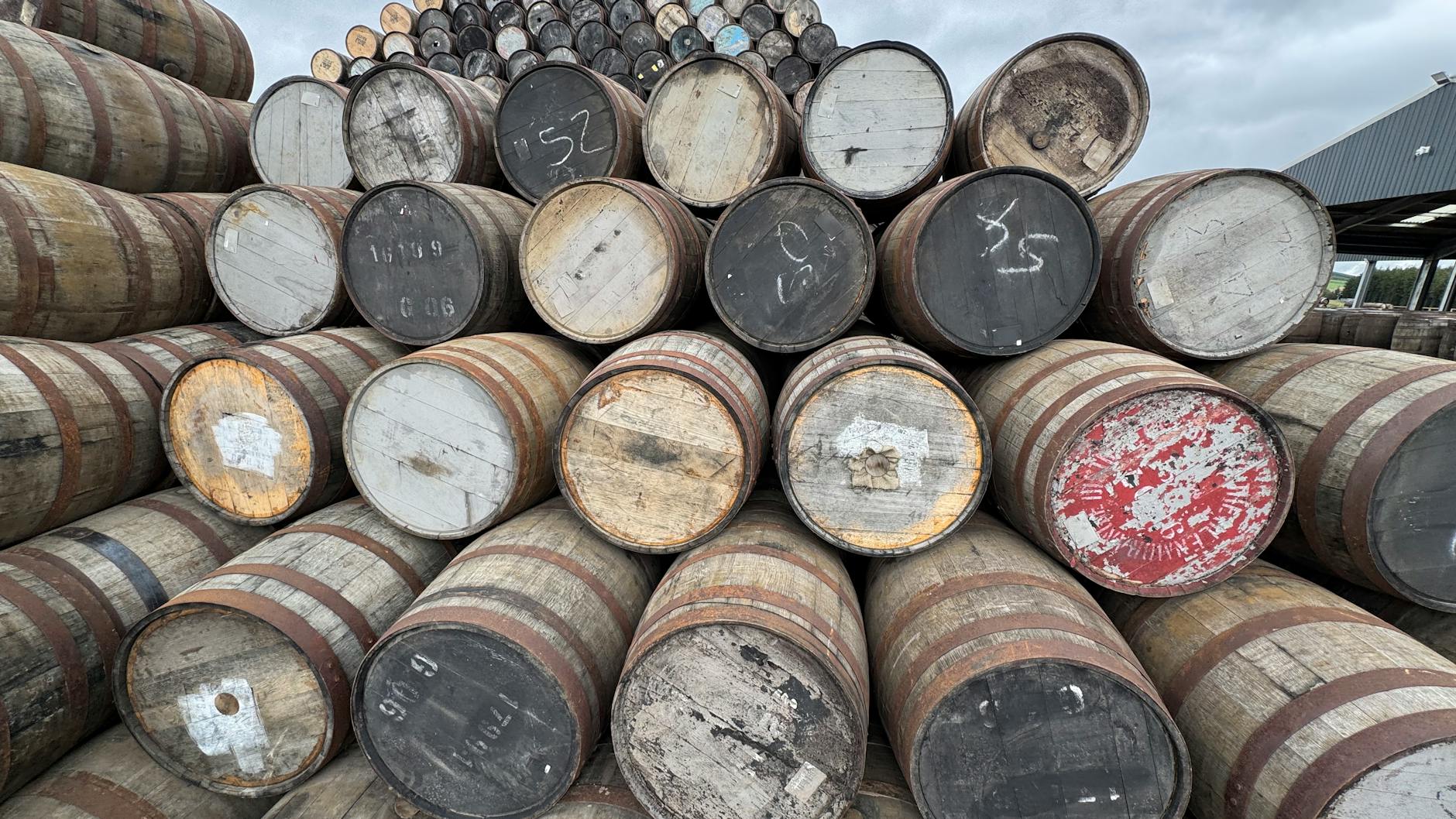
Maturation strategy at Strada Ferrata reflects both budget pragmatism and deliberate experimentation. The team has worked with a range of cask types including ex-bourbon barrels, French oak wine casks sourced from northern Italian and Piedmontese producers, and smaller quantities of ex-Marsala and Barolo wood. That last category is particularly interesting from a trade perspective, because Italian wine casks remain comparatively underexplored as a finishing medium in the global single malt market, and early results suggest they impart a distinctive dried-fruit and tannin profile that differentiates the whisky from its Scottish or Irish counterparts.
Trade Context
Italy's whisky sector sits within the broader World Whisky category, which has seen sustained collector and investor interest as Scotch cask prices have moderated and buyers seek earlier-stage opportunities with credible production credentials. Strada Ferrata is not yet releasing aged statements in the conventional sense — most current bottlings sit in the three-to-five-year range — but the distillery's trajectory and competition results suggest it is building the kind of provenance that underpins longer-term value. For independent bottlers active in European new-make sourcing, operations like this represent a meaningful pipeline that did not exist five years ago.
- Producer / Distillery: Strada Ferrata, Lombardy, Italy
- Category: World Whisky — Italian Single Malt
- Market implication: Emerging Italian whisky production is beginning to attract serious trade attention; early-stage cask acquisition and independent bottling opportunities are opening in a market that was effectively non-existent a decade ago
Why It Matters
The Italian whisky story is accelerating faster than most trade observers anticipated, and Strada Ferrata is emblematic of why. The distillery did not arrive at whisky production through heritage or accident — it made a calculated strategic move, backed by fermentation expertise and a clear vision for differentiated maturation. That combination is exactly what serious buyers and collectors have learned to identify in early-stage producers across Taiwan, Australia, and Scandinavia before those markets matured into premium territory. The question for cask investors and bottlers now is whether Italian single malt follows a similar appreciation curve, or whether domestic consumption absorbs most output before international trade can engage meaningfully. Given Italy's own considerable appetite for premium spirits, the window for external buyers may be narrower than it first appears. Those who have been watching the country's craft distilling scene closely are already moving.
Frequently Asked Questions
What is Strada Ferrata known for?
Strada Ferrata is a Lombardy-based distillery known for producing Italian single malt whisky, leveraging its founders' craft beer expertise to create a fruity, cereal-forward spirit.
Why is Strada Ferrata attracting trade attention?
It is attracting trade attention due to its competition success, technical brewing background, and innovative use of underexplored Italian wine casks, positioning it as a credible new source in the world whisky market.
What types of casks does Strada Ferrata use for maturation?
The distillery uses a range of casks including ex-bourbon barrels, French oak wine casks, and smaller quantities of ex-Marsala and ex-Barolo casks, which impart a distinctive dried-fruit and tannin profile.
How does Strada Ferrata's beer background influence its whisky?
Its craft beer foundation brings granular fermentation knowledge—understanding yeast, wort, and grain bills—which translates into technical rigour in distillation and extended fermentation times for a cleaner, more flavourful new-make spirit.