
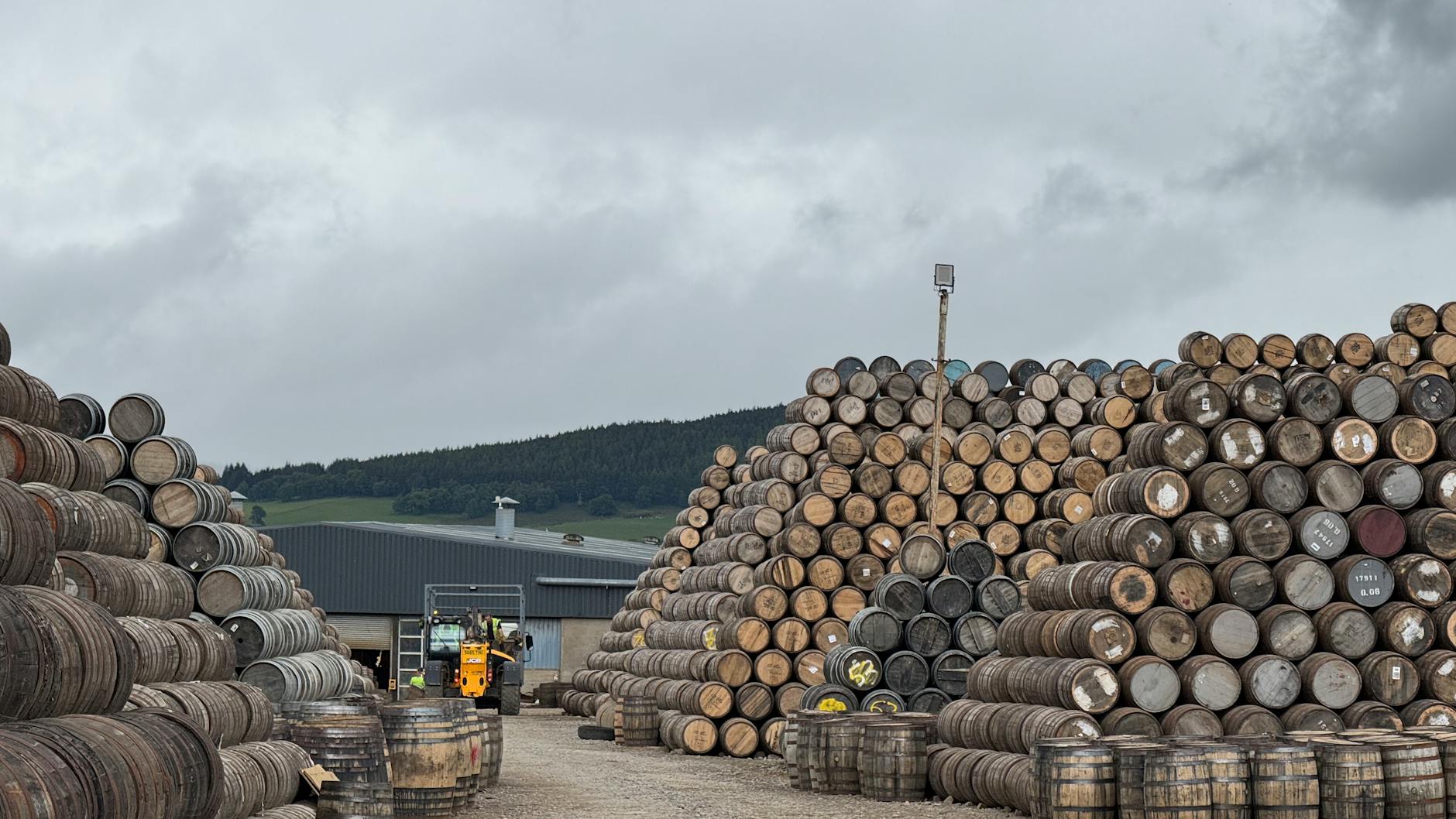
Glen Scotia's ranked range reveals a distillery with growing commercial maturity. From the entry-level Double Cask to the Victoriana, the portfolio maps a deliberate tiering strategy — and signals Campbeltown single malt as an undervalued collector opportunity.
Every Glen Scotia Whisky Ranked: What the Full Range Tells Us About Campbeltown's Comeback
Glen Scotia has quietly become one of the most compelling stories in Scotch whisky, and a full ranking of its core and limited expressions offers a sharper lens than any single tasting note ever could. The Campbeltown distillery, owned by Loch Lomond Group since 2014, has expanded its range considerably over the past decade, moving from a largely overlooked regional curiosity to a producer with genuine collector traction and growing secondary market presence. Ranking those expressions — from accessible entry points to age-stated rarities — reveals not just quality gradations but a deliberate commercial strategy aimed at repositioning Campbeltown as a serious whisky destination.
The Range in Full: From Double Cask to Victoriana
At the entry level, the Glen Scotia Double Cask sits as the distillery's volume workhorse, matured in American oak ex-bourbon barrels before finishing in Pedro Ximénez sherry casks. It delivers the characteristic Campbeltown brine and light peat alongside approachable sweetness, and at its retail price point it consistently punches above its category. For the trade, it functions as a gateway expression — the bottle that converts a casual buyer into a distillery follower.
Moving up the ladder, the 15 Year Old is widely regarded as the sweet spot of the range, offering a fuller expression of Glen Scotia's coastal character without the premium pricing of older statements. The 18 Year Old adds further complexity, with dried fruit and a more pronounced maritime salinity that collectors tend to favour. The 25 Year Old, released in limited batches, represents the distillery's most serious play for the aged Scotch collector market, and secondary auction data from platforms including Whisky Auctioneer shows it trading at meaningful premiums above retail. At the apex sits the Victoriana, a non-age-statement expression finished in heavily charred oak casks that has developed a devoted following for its dark, brooding profile and distinctive bottle design.
Trade Context
Glen Scotia operates as one of only three working distilleries in Campbeltown — alongside Springbank and Glengyle — in a region that once boasted over thirty. That scarcity narrative carries real weight in both the collector community and the cask investment space. Loch Lomond Group's stewardship has brought greater consistency to production and more deliberate release scheduling, which matters enormously for secondary market confidence. Distilleries with erratic or unpredictable release patterns tend to see more volatile auction pricing; Glen Scotia's increasingly structured approach has helped stabilise and gradually build its secondary value floor.
- Producer / Distillery: Glen Scotia Distillery, Campbeltown
- Category: Single Malt Scotch Whisky
- Owner: Loch Lomond Group (acquired 2014)
- Market implication: Growing collector interest and auction premium on aged and limited expressions signals improving brand equity for a historically undervalued regional producer
Why the Rankings Matter Beyond the Glass
For serious whisky trade readers, a ranking exercise like this is more than consumer content — it maps the commercial architecture of a distillery's portfolio. Glen Scotia's range reveals a producer that understands tiering: accessible volume expressions at the base, mid-range age statements for the enthusiast segment, and limited premium releases designed to drive auction heat and press attention. That structure mirrors what larger producers have long deployed, and its adoption by a smaller regional distillery signals growing commercial maturity at Campbeltown level.
Cask investors paying attention to Glen Scotia should note that Campbeltown single malt as a category remains underpriced relative to comparable Islay and Highland expressions of equivalent age. The region's tiny production footprint and the romantic weight of its near-extinction narrative give it a scarcity premium that has not yet been fully priced into the broader market. As Glen Scotia continues to build brand recognition through structured releases and increased distribution — particularly in Asian export markets where Loch Lomond Group has been active — the gap between current secondary values and potential ceiling is one that informed buyers are beginning to close.
The Victoriana, in particular, deserves attention from collectors who track NAS expressions with strong identity. Its auction trajectory over the past three years has been steadily upward, and limited availability outside specialist retailers keeps supply constrained. Whether that momentum holds will depend partly on how aggressively Loch Lomond Group scales production, but for now, Glen Scotia's top tier sits in an interesting position: known enough to attract buyers, obscure enough to retain upside.
Frequently Asked Questions
What makes Glen Scotia different from other Campbeltown single malts?
Glen Scotia's house style leans into coastal brininess and light peat, distinguishing it from Springbank's more complex, oilier character and Glengyle's (Kilkerran) lighter, fruitier profile. Its use of varied cask finishes across the range also gives it broader stylistic coverage than its regional peers.
Is Glen Scotia worth buying for cask investment purposes?
Glen Scotia distillery casks are not widely available through direct private cask sales, but the secondary bottle market shows a clear upward trend on aged and limited expressions. Collectors and trade buyers tracking Campbeltown as an undervalued region have been accumulating key expressions, particularly the 25 Year Old and Victoriana, over the past two to three years.
Who owns Glen Scotia and how has ownership affected quality?
Loch Lomond Group acquired Glen Scotia in 2014. Since then, production consistency has improved markedly, release scheduling has become more structured, and the range has been expanded with greater commercial intent. The consensus among trade observers is that quality has risen across the board under current ownership.
Which Glen Scotia expression has the strongest auction performance?
The 25 Year Old and Victoriana consistently achieve the strongest premiums at auction relative to retail price. The 25 Year Old in particular trades well above its recommended retail price on platforms such as Whisky Auctioneer, reflecting both its limited availability and the growing collector appetite for aged Campbeltown single malt.
How does Glen Scotia's range compare commercially to Springbank?
Springbank commands significantly higher secondary market prices and has a more established global collector following, partly due to its independently owned status and cult reputation built over decades. Glen Scotia is at an earlier stage of that collector journey, which some trade buyers see as an opportunity rather than a limitation.