
US whiskey is navigating a post-glut inventory correction while the newly regulated American single malt category attracts collector interest. Rye whiskey is driving on-trade cocktail culture, and cask investors are paying closer attention to American expressions at auction.
US Whiskey News: Distillery Moves, Market Shifts, and the Fandango Cocktail
US whiskey continues to generate significant trade momentum in 2024, with a cluster of developments worth tracking across bourbon production, brand acquisitions, and the growing influence of American whiskey on the cocktail scene. From distillery expansions in Kentucky to independent bottlers pushing American single malt into new territory, the category is moving fast — and the Fandango cocktail, built on a rye whiskey backbone, is emerging as a bartender favourite that speaks to the broader premiumisation trend reshaping on-trade pouring decisions.
The headline developments span several fronts. Producers across Tennessee and Kentucky are navigating a post-pandemic inventory correction that has seen some brands quietly pull back on new cask fills, while others are doubling down on aged expressions to capture collector demand at auction. Meanwhile, the American single malt category — formally defined by the TTB in late 2024 — is beginning to attract serious attention from Scotch-literate buyers who see value in younger, well-crafted domestic expressions.
Trade Context: What Is Driving US Whiskey Right Now?
The bourbon glut narrative, which dominated trade conversations through much of 2022 and 2023, is giving way to a more nuanced picture. Major producers including Buffalo Trace, Heaven Hill, and Brown-Forman have each made strategic statements about managing aged inventory more carefully, with an emphasis on quality over volume. Buffalo Trace's Antique Collection continues to function as a barometer for collector sentiment — secondary market prices for allocated bottles like William Larue Weller and George T. Stagg remain elevated, signalling that demand at the premium end has not softened despite broader economic pressure on mid-tier spirits.
Independent bottlers are also carving out a more prominent role in the American whiskey market, drawing direct parallels with the Scotch independent sector. Companies sourcing mature barrels from MGP in Indiana, or working with smaller craft distilleries in states like Texas and Colorado, are releasing single cask expressions that appeal to the same collector audience that drives Scotch auction volumes. This is a structural shift worth watching: as American whiskey matures as a collector category, cask provenance and age statement transparency are becoming genuine purchasing criteria rather than marketing afterthoughts.
- Producer / Distillery: Buffalo Trace, Heaven Hill, Brown-Forman, MGP Ingredients
- Category: Bourbon / American Rye / American Single Malt
- Market implication: Post-glut inventory management is tightening supply of aged bourbon, supporting secondary market prices for allocated and limited expressions
How to Make a Fandango: Rye Whiskey in the On-Trade
The Fandango cocktail has been gaining traction in upscale American bars, built around a rye whiskey base — typically a high-rye mashbill expression such as Rittenhouse Bottled-in-Bond or Sazerac Rye — combined with sweet vermouth, a dash of Campari, and orange bitters. The result sits somewhere between a Manhattan and a Negroni, leaning into the spice and grain character that defines quality rye. It is a drink that rewards the use of a well-aged rye rather than a budget pour, which matters commercially for distillers positioning aged rye expressions at the £40–£60 retail price point.
For the trade, cocktail culture is not a peripheral concern. The on-trade remains a critical discovery channel for new whiskey consumers, and a signature serve built around a specific producer's rye can meaningfully shift volume. Distilleries with strong bartender relationships — Michter's, WhistlePig, and High West among them — have consistently used cocktail programming to drive awareness of their premium rye expressions, creating a halo effect that supports retail and direct-to-consumer sales. The Fandango's rise fits neatly into this playbook.
Why It Matters for the Whisky Trade and Cask Investors
For cask investors and trade buyers, the US whiskey market in 2024 presents a more sophisticated opportunity than it did five years ago. The formalisation of the American single malt category creates a new regulatory framework that mirrors, in some respects, the protected designations that underpin Scotch whisky's value proposition. Distilleries that establish early credibility in this space — through consistent production, transparent age statements, and genuine terroir narratives — are positioning themselves for the kind of long-term collector interest that sustains auction premiums.
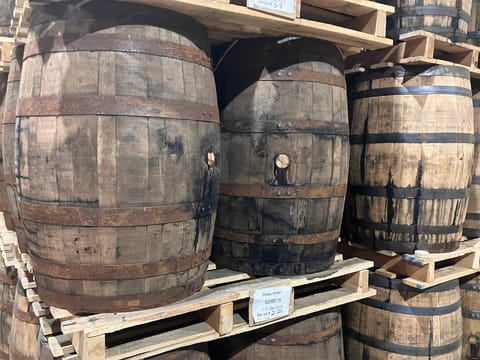
At the same time, the bourbon market's inventory correction is creating selective buying opportunities. Barrels of well-aged Kentucky straight bourbon, particularly from distilleries with strong brand equity, are attracting interest from investors who previously focused exclusively on Scotch. The auction data supports this: American whiskey lots at Whisky Auctioneer and Scotch Whisky Auctions have grown steadily as a proportion of total listings over the past three years. Whether this represents a durable shift in collector priorities or a cyclical moment of opportunity remains to be seen, but the directional trend is clear enough to warrant serious attention from anyone active in the cask market.
Frequently Asked Questions
What is the Fandango cocktail and which whiskey does it use?
The Fandango is a rye whiskey-based cocktail combining high-rye expressions such as Rittenhouse Bottled-in-Bond or Sazerac Rye with sweet vermouth, a measure of Campari, and orange bitters. It is stirred and served over a large ice cube, typically with an orange twist. The drink has gained on-trade popularity as a more complex alternative to the Manhattan.
What is the American single malt category and why does it matter?
The American single malt category was formally defined by the Alcohol and Tobacco Tax and Trade Bureau (TTB) in late 2024, establishing legal standards for whiskey made from 100% malted barley at a single distillery in the United States. This gives producers a regulated designation that can support premium positioning and appeals to Scotch-literate consumers looking for domestic alternatives.
Is the bourbon glut still affecting the market in 2024?
The worst of the post-pandemic bourbon inventory correction has largely passed, but its effects are still visible. Mid-tier brands continue to face pricing pressure, while premium and allocated expressions have maintained or grown their secondary market values. Major producers are managing aged stock more carefully, which is gradually tightening supply of older expressions.
Are cask investors paying attention to American whiskey?
Yes, increasingly so. American whiskey lots at major auction platforms have grown as a proportion of total listings over the past three years. Investors are drawn by the combination of strong brand equity, improving age statement transparency, and the formalisation of new categories like American single malt that mirror Scotch whisky's regulatory protections.
Which US whiskey producers are most relevant for trade buyers right now?
Buffalo Trace, Heaven Hill, Brown-Forman, MGP Ingredients, Michter's, WhistlePig, and High West are among the most closely watched names. Independent bottlers sourcing from MGP and smaller craft distilleries in Texas and Colorado are also worth monitoring for single cask releases that appeal to the collector market.