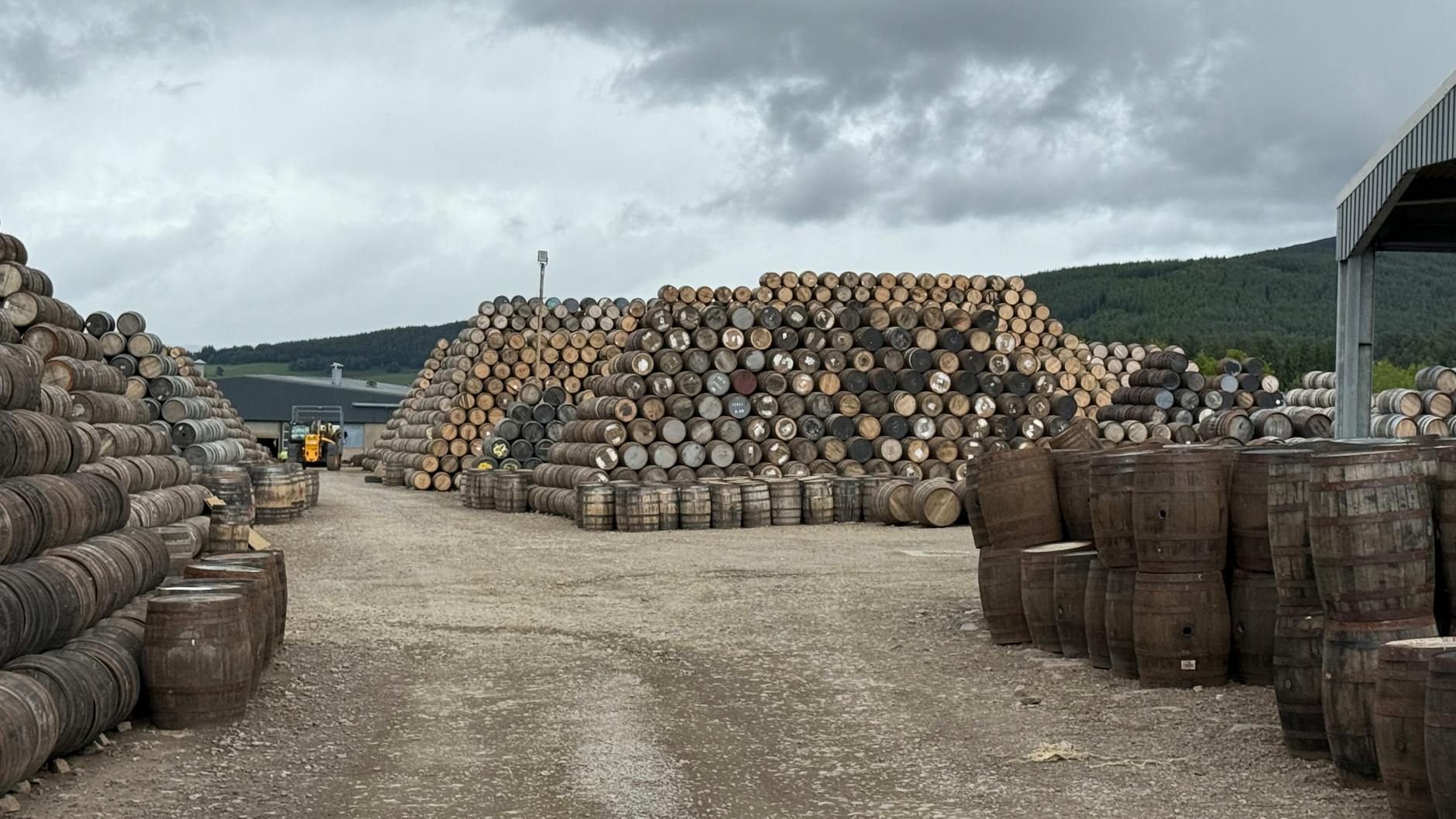
WhistlePig Distillery is leading a campaign to make rye whiskey the official spirit of the United States, citing its pre-bourbon history and growing premium market presence. Federal recognition could boost cask values and export positioning, though Congressional action remains a significant hurdle.
Could Rye Whiskey Become the Official Spirit of the United States?
Rye whiskey is at the centre of a bold new push to secure federal recognition as the official spirit of the United States, with Vermont-based WhistlePig Distillery leading the charge. The campaign, which aims to establish rye's cultural and historical primacy in American distilling, has drawn attention across the whisky trade precisely because it combines political ambition with a serious commercial argument. If successful, the move could reshape how American whiskey categories are positioned domestically and internationally, with meaningful consequences for producers, importers, and cask investors tracking the US brown spirits market.
WhistlePig has built its reputation almost entirely on rye, positioning itself as the category's most visible premium standard-bearer since relaunching in the late 2000s. The Vermont distillery sources and ages its whiskey on a working farm, and has consistently pushed rye into high-end on-trade accounts and auction rooms that were previously dominated by bourbon and single malt Scotch. Its decision to spearhead this campaign is not simply a branding exercise — it reflects a calculated bet that elevating rye's official status would deliver a measurable uplift to the entire category, and to WhistlePig's own commercial position within it.
The Historical Case for Rye
The argument that rye deserves official recognition is not without historical foundation. Rye whiskey predates bourbon as America's dominant distilled spirit, with production concentrated in the mid-Atlantic states — particularly Pennsylvania and Maryland — throughout the eighteenth and nineteenth centuries. George Washington himself operated one of the largest rye whiskey distilleries in the young republic at Mount Vernon, a fact that advocates frequently cite as evidence of rye's foundational role in American culture. Prohibition effectively dismantled the rye industry, and bourbon subsequently filled the vacuum during the post-war recovery of American whiskey.
The modern rye revival has been building steadily since the mid-2000s, driven initially by bartenders seeking a spicier, drier alternative to bourbon in classic cocktails such as the Manhattan and Old Fashioned. That bartender-led demand eventually filtered into retail and the secondary market, with aged rye expressions from producers including WhistlePig, Michter's, and High West now appearing regularly at specialist auction houses. Average hammer prices for premium rye have risen notably over the past five years, though the category still trades at a significant discount to comparable aged bourbon and single malt Scotch.
Trade Context
The campaign sits within a broader regulatory and commercial environment in which American whiskey producers are actively seeking new levers for category growth. Bourbon already carries a degree of de facto national identity — it is legally required to be produced in the United States, and Kentucky in particular has invested heavily in whiskey tourism and geographic branding. Granting rye a formal federal designation would not necessarily undermine bourbon's position, but it would create a second pole of American whiskey identity, potentially opening new export marketing angles and encouraging further investment in rye-focused distilleries.
- Producer / Distillery: WhistlePig Distillery, Shoreham, Vermont
- Category: American Rye Whiskey
- Market implication: Federal recognition could accelerate premium rye's growth trajectory, support higher cask valuations, and sharpen export positioning against Scotch and Irish whiskey in key international markets
Why It Matters to the Whisky Trade
For cask investors and secondary market participants, the prospect of rye achieving official national spirit status is worth monitoring closely. Category elevation of this kind tends to generate sustained media coverage, increased consumer interest, and upward pressure on pricing for established aged expressions — a dynamic that played out with Japanese whisky following its international award wins in the 2010s, and which continues to support premium bourbon valuations despite recent market softening. Rye remains a comparatively underdeveloped segment of the cask investment market, which means early positioning carries both higher risk and higher potential upside.
From a production and regulatory standpoint, any formal federal designation would likely require Congressional action, making the timeline uncertain and the outcome far from guaranteed. Trade bodies including the Distilled Spirits Council of the United States would need to engage, and the bourbon lobby — centred in Kentucky — would need to be satisfied that rye's elevation does not dilute existing protections or marketing advantages. WhistlePig's campaign is, at this stage, more pressure campaign than pending legislation. But the conversation it is starting is a serious one, and the whisky trade would be unwise to dismiss it as mere marketing noise. Rye has the history, the commercial momentum, and now an influential advocate prepared to take the argument to Washington.
Frequently Asked Questions
What is rye whiskey and how does it differ from bourbon?
Rye whiskey must be made from a grain mash containing at least 51% rye, giving it a spicier, drier character compared to bourbon, which requires at least 51% corn and typically produces a sweeter, fuller-bodied spirit. Both must be aged in new charred oak containers and produced in the United States, but rye's distinct flavour profile has made it particularly popular in classic cocktail applications.
Why is WhistlePig leading this campaign?
WhistlePig has positioned rye whiskey as its sole commercial focus since its founding, and has more to gain from category elevation than any other single producer. As the most recognised premium rye brand internationally, WhistlePig stands to benefit directly from increased consumer awareness and any associated uplift in pricing and demand that official recognition could generate.
How would official spirit status affect cask values for rye whiskey?
Formal federal recognition would likely increase media coverage and consumer interest in the category, which historically correlates with rising secondary market prices for aged expressions. However, rye cask investment remains a niche and relatively illiquid segment compared to Scotch or bourbon, so investors should treat any near-term price movement with caution pending actual legislative progress.
Has any American whiskey category previously received official national recognition?
Bourbon was declared a distinctive product of the United States by an act of Congress in 1964, a designation that has been used extensively in export marketing and trade negotiations. Rye advocates point to this precedent as evidence that similar recognition is both achievable and commercially significant.
What obstacles stand in the way of rye becoming the official US spirit?
Congressional action would be required, and the bourbon industry — which carries significant political weight in Kentucky and Tennessee — would need to be brought onside or at least neutralised. Regulatory bodies and trade associations would also need to align, making the process lengthy and uncertain. WhistlePig's campaign is currently in its advocacy phase rather than representing any imminent legislative development.