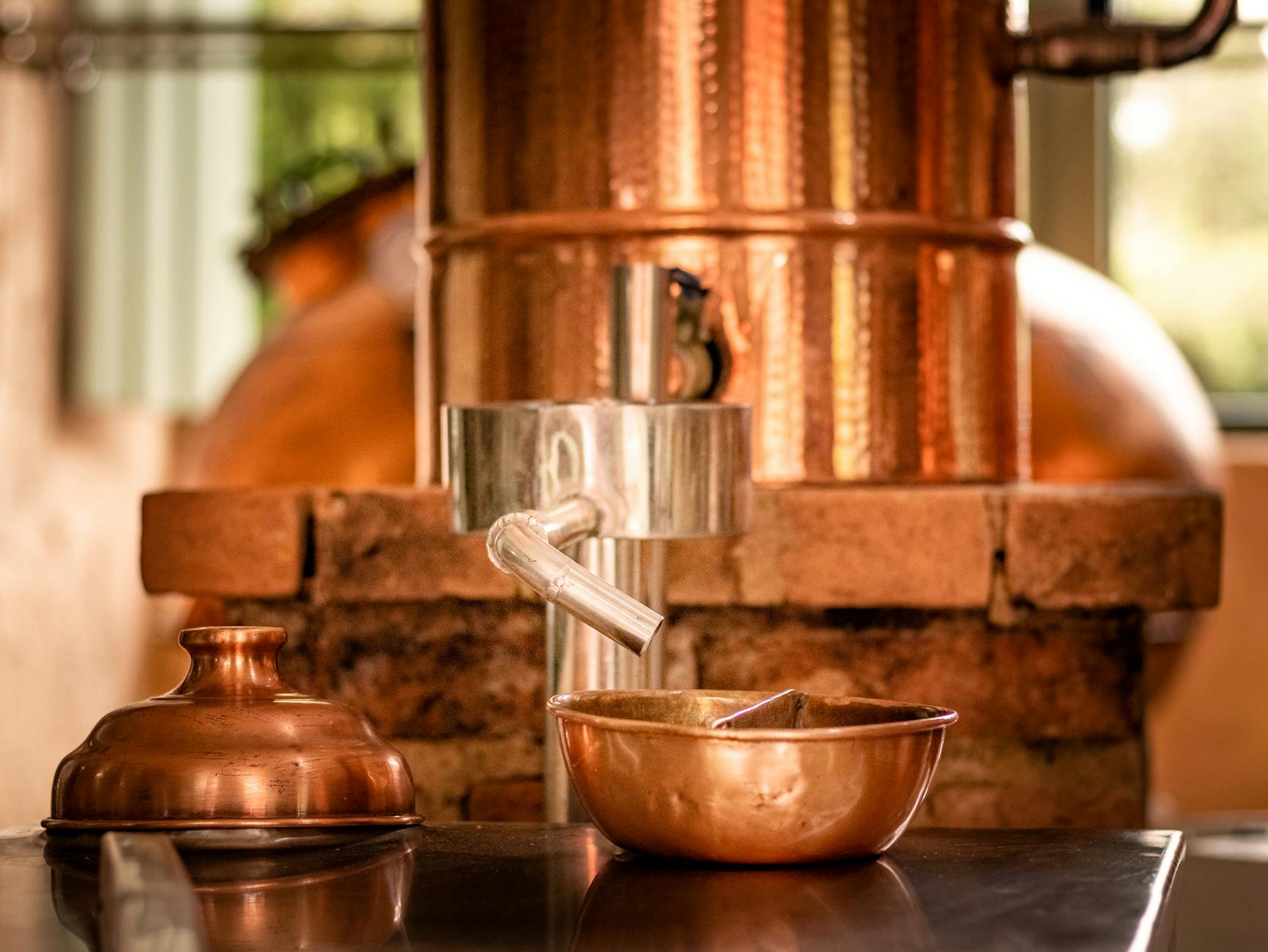
Coleburn Distillery is opening a bistro this autumn as the first phase of its planned whisky resort. This hospitality-first approach generates early revenue and builds brand presence while the complex restoration of distilling operations continues.
The News
Coleburn Distillery, the long-dormant Speyside site currently undergoing a substantial redevelopment, has announced plans to open a 62-cover bistro this autumn — marking the first operational phase of what its owners are positioning as a full-scale whisky resort on the banks of the River Lossie. The bistro announcement signals that the project is moving from architectural ambition into concrete delivery, with a public-facing venue set to open its doors well ahead of any distilling operations resuming on the site. For an industry watching closely to see whether Coleburn can translate years of planning into a functioning hospitality and production destination, this is the first meaningful proof of progress.
Trade Context
Coleburn has a history that commands genuine attention from whisky collectors and trade observers alike. The distillery was originally founded in 1897 and operated intermittently under various owners — including Diageo — before being mothballed in 1985. Its make, produced largely during the blending boom years, has appeared across independent bottlings from the likes of Gordon & MacPhail and Cadenhead's, and aged Coleburn expressions now attract serious collector interest precisely because no new spirit has been produced in four decades. The current redevelopment project, which acquired the site with ambitions to restore distilling alongside a broader visitor experience, has been one of the more closely watched speculative plays in Scottish whisky real estate in recent years.
- Producer / Distillery: Coleburn Distillery, Speyside
- Category: Scotch Whisky — Single Malt
- Market implication: Early-phase hospitality opening builds commercial revenue and brand presence ahead of distilling resumption, a model increasingly common among revived Scottish distilleries
The decision to lead with a bistro rather than a visitor centre or tasting room is a deliberate commercial calculation. A 62-cover dining operation generates meaningful cash flow independently of whisky production timelines, which — given the capital intensity of distillery restoration and the regulatory requirements involved — can stretch considerably beyond initial projections. It also builds a local and tourist audience before a single cask of new-make spirit has been laid down, meaning the brand has an established foothold when production eventually begins.
Why It Matters
The broader strategic model Coleburn is pursuing reflects a wider shift in how new and revived distilleries are approaching the economics of whisky production. Because Scotch must mature for a minimum of three years before it can legally be called whisky — and because most serious single malt propositions require considerably longer maturation before they become commercially compelling — distilleries that have restored or built from scratch face a structural revenue gap. Hospitality, events, and food and beverage operations have become the standard mechanism for bridging that gap, and the whisky resort concept takes that logic to its furthest extension. Arbikie, Nc'nean, and Holyrood in Scotland have all demonstrated that visitor-led revenue can sustain a young distillery through its early years, though Coleburn's ambitions appear to be pitched at a considerably larger scale than most of those comparators.
For cask investors and collectors, the Coleburn development carries a specific kind of interest. The distillery's pre-closure make is genuinely scarce, and the prospect of new-make spirit eventually flowing again — under what would presumably be a very different production regime to the 1970s and early 1980s — raises questions about how the revived distillery will position its future releases relative to the legacy stock still circulating through the independent bottler market. Whether the new owners intend to honour the original character of the spirit or pursue a distinctly modern house style will matter considerably to those tracking the brand's trajectory.
The autumn bistro opening, then, is not simply a hospitality story. It is the first tangible signal that Coleburn's redevelopment has moved beyond the planning stage, and that the whisky trade should begin paying closer attention to what comes next. If the resort model delivers the footfall and revenue its owners are clearly banking on, the distilling phase — and with it, the first new Coleburn spirit in forty years — moves meaningfully closer to reality. That is a development the trade, the collector market, and the independent bottling community will all have reason to watch carefully.
Frequently Asked Questions
When is the Coleburn Distillery bistro opening?
The 62-cover bistro is scheduled to open in autumn.
Why is Coleburn opening a bistro before restarting distillation?
It generates immediate cash flow, builds a local audience, and establishes the brand ahead of the lengthy process of resuming whisky production.
What is the history of Coleburn Distillery?
Founded in 1897, it operated intermittently before being mothballed in 1985. Its old stock is now prized by collectors, with no new spirit made for four decades.
What is a 'whisky resort'?
It's a large-scale destination combining distilling with extensive hospitality, visitor experiences, and amenities, like the model Coleburn is developing.
Frequently Asked Questions
When is the Coleburn Distillery bistro opening?
The 62-cover bistro is scheduled to open in autumn.
Why is Coleburn opening a bistro before restarting distilling?
To generate early commercial revenue and build brand presence during the long, capital-intensive restoration of production.
What is a whisky resort?
A large-scale destination combining distilling operations with extensive visitor experiences like dining, tours, and events.
Is this a common strategy for new distilleries?
Yes, using hospitality to bridge the revenue gap during the long whisky maturation period is a growing trend in Scotland.
When did Coleburn Distillery originally close?
The Speyside distillery was mothballed in 1985 after being founded in 1897.