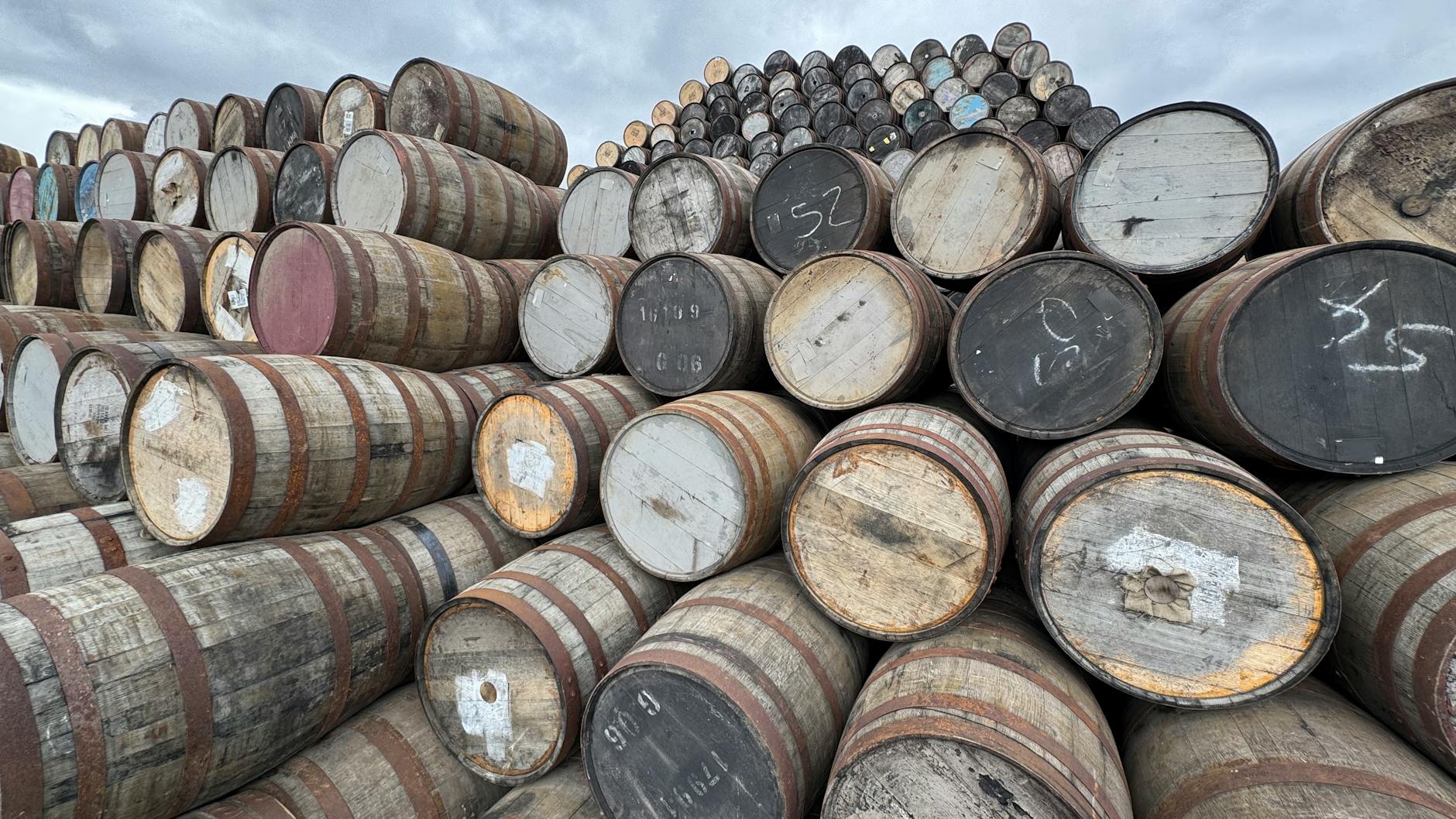
Yellowstone Bourbon's cumulative donations to the National Parks Conservation Association have exceeded $1 million. This long-term commitment is a key marketing differentiator in the competitive premium bourbon sector.
The News
Yellowstone Bourbon has crossed a significant milestone in its long-running environmental partnership, with a fresh US$25,000 donation pushing its cumulative contributions to the National Parks Conservation Association (NPCA) past the US$1 million mark. The announcement positions Yellowstone — produced by Limestone Branch Distillery in Lebanon, Kentucky, and distributed under the Lux Row Distillers umbrella — as one of the more committed corporate supporters of US conservation efforts within the American whiskey sector. While individual donations of this size are not unusual for mid-to-large spirits brands, the seven-figure cumulative total is a genuine landmark, and one the brand has earned incrementally over several years of consistent giving rather than a single headline-grabbing cheque.
The NPCA is an independent non-profit organisation that has advocated for America's national parks since 1919. Its work spans lobbying, legal challenges, and on-the-ground conservation efforts across more than 400 national park sites. For Yellowstone Bourbon, the alignment is obvious — the brand takes its name directly from the world's first national park, a branding decision that carries both commercial logic and, it appears, a genuine sense of custodial responsibility. The latest donation brings the total to just over US$1 million, a figure confirmed by the brand in April 2026.
Trade Context
Limestone Branch Distillery, the Kentucky producer behind Yellowstone Bourbon, has operated under the ownership of the Lux Row group for a number of years, with the Yellowstone expression serving as its flagship premium bourbon line. The brand has built its identity around heritage — the Yellowstone name dates back to 1872 — and its marketing consistently leans into American wilderness and national identity. That positioning makes the NPCA partnership a natural extension of brand strategy rather than a bolt-on CSR exercise, and that distinction matters when trade buyers and on-trade accounts are scrutinising authenticity in sponsorship and giving programmes.
- Producer / Distillery: Limestone Branch Distillery, Lebanon, Kentucky (Lux Row Distillers)
- Category: Bourbon / American Whiskey
- Market implication: Long-term environmental partnerships are increasingly influencing brand positioning in the premium and super-premium bourbon segment, with measurable cumulative giving becoming a differentiator in competitive on-trade and retail listings.
Why It Matters
For the whisky trade, this story is less about conservation and more about the commercial architecture of values-led brand building. Premium and super-premium bourbon has become an intensely crowded category over the past decade, with hundreds of expressions competing for shelf space and back-bar real estate. In that environment, brands that can point to a consistent, auditable track record of external commitment — rather than vague sustainability pledges — carry genuine differentiation weight with buyers, particularly in the US on-trade and in export markets where American whiskey competes directly against Scotch single malts with their own heritage narratives.
There is also a broader industry trend worth noting here. Across the whisky sector — Scotch included — producers have been under increasing pressure from retailers, importers, and institutional buyers to demonstrate environmental and social credentials that go beyond recycled packaging and carbon-offset schemes. Yellowstone's million-dollar milestone offers a concrete, third-party-verified number that marketing teams can deploy with confidence. That kind of quantifiable giving record is difficult to manufacture quickly and therefore represents a genuine long-term asset for the brand.
From a cask investment and collector perspective, brand equity built on consistent external partnerships tends to support price stability in secondary markets. Expressions tied to identifiable, ongoing narratives — whether heritage, provenance, or in this case conservation — have historically attracted a loyal buyer base that is less susceptible to short-term market volatility. Yellowstone Bourbon is not a cask-investment vehicle in the way that allocated Scotch single malts are, but the underlying brand strength that initiatives like this reinforce does feed into long-term secondary market performance for limited and special releases under the same label.
Whether other bourbon producers will follow with comparable long-term conservation commitments remains to be seen. But Yellowstone has now set a benchmark that is measurable, public, and difficult to ignore — and in a market where credibility is increasingly earned rather than claimed, that is worth considerably more than the US$25,000 cheque that pushed it over the line.
Frequently Asked Questions
How much has Yellowstone Bourbon donated to the NPCA?
Yellowstone Bourbon's cumulative donations to the National Parks Conservation Association have now surpassed $1 million.
Who makes Yellowstone Bourbon?
Yellowstone Bourbon is produced by Limestone Branch Distillery in Lebanon, Kentucky, and is distributed under the Lux Row Distillers umbrella.
Why is Yellowstone Bourbon's donation milestone significant for the trade?
In a crowded premium bourbon market, this long-term, quantifiable commitment provides authentic brand differentiation and influences buyer decisions, especially in on-trade and export markets.
What does the National Parks Conservation Association (NPCA) do?
The NPCA is an independent non-profit that advocates for America's national parks through lobbying, legal action, and on-the-ground conservation efforts across over 400 sites.
Frequently Asked Questions
How much has Yellowstone Bourbon donated to the NPCA?
Yellowstone Bourbon has donated over $1 million in cumulative contributions to the National Parks Conservation Association.
Why is Yellowstone Bourbon's donation milestone significant?
The seven-figure total, built over years, is a genuine landmark that provides a credible, verifiable differentiator in the crowded premium bourbon market.
What is the National Parks Conservation Association (NPCA)?
The NPCA is an independent non-profit that has advocated for and protected America's national parks since 1919 through lobbying, legal action, and conservation.
Who produces Yellowstone Bourbon?
Yellowstone Bourbon is produced by Limestone Branch Distillery in Lebanon, Kentucky, and is distributed under the Lux Row Distillers umbrella.
How does this partnership benefit Yellowstone Bourbon commercially?
It provides a concrete, values-led marketing asset that helps the brand stand out to trade buyers and in competitive on-trade and retail listings.