
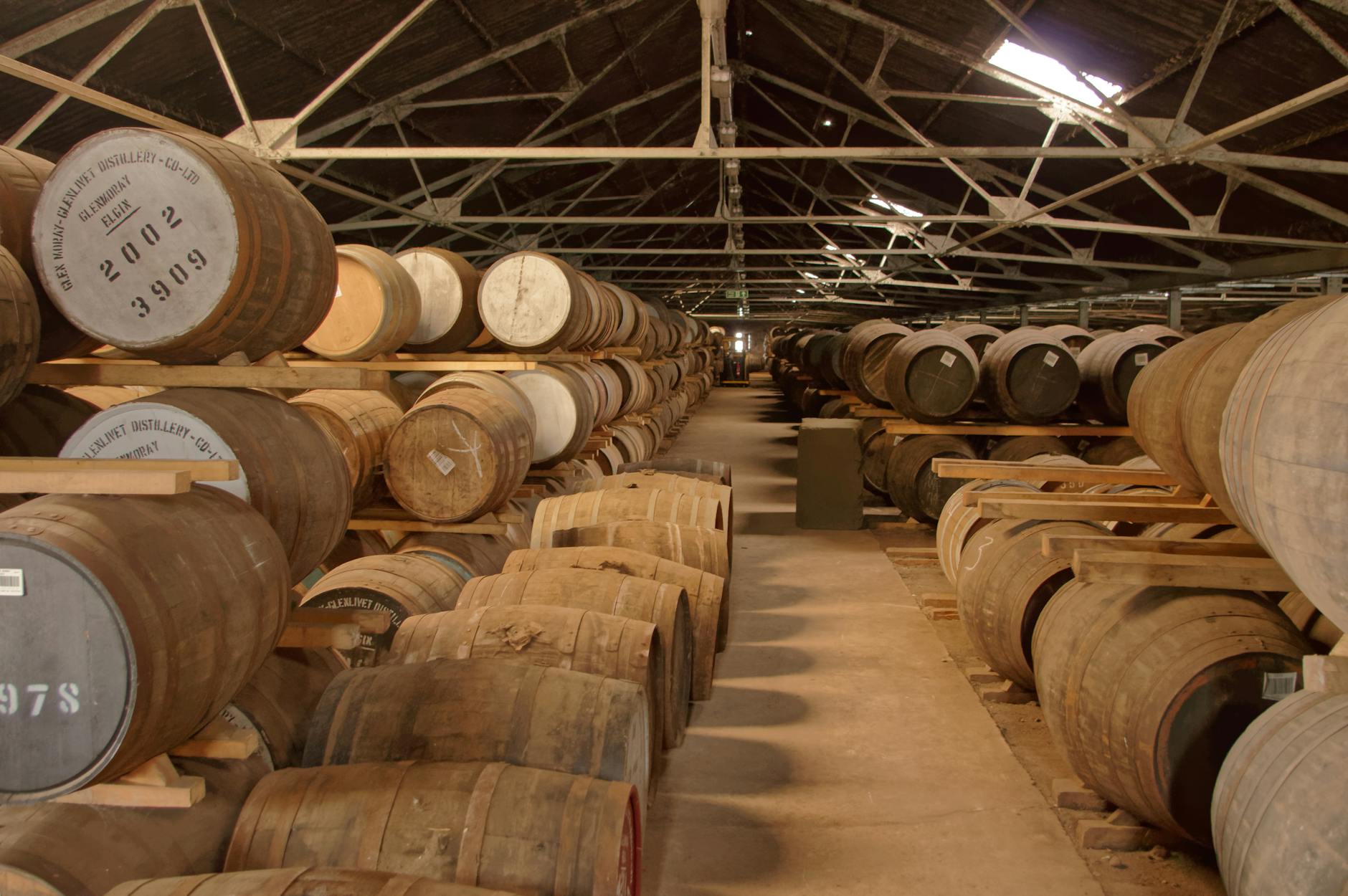
Brown-Forman's reported merger talks with Pernod Ricard have collapsed, leaving the Jack Daniel's owner back in play. Diageo, Suntory, and LVMH are among the names circulating as potential suitors, with the Brown family's controlling stake complicating any deal.
Brown-Forman M&A: Back on the Market After Pernod Ricard Talks Collapse
Brown-Forman, the Louisville, Kentucky-based owner of Jack Daniel's Tennessee Whiskey, Old Forester Bourbon, and Woodford Reserve, is once again the subject of acquisition speculation after reported merger discussions with French spirits giant Pernod Ricard failed to progress. The collapse of those talks — described in trade circles as a deal left firmly at the altar — has reignited debate about who, if anyone, could realistically absorb one of the most iconic names in American whiskey. For a company with a market capitalisation that has fluctuated sharply over the past two years amid softening bourbon demand and shifting consumer trends, the question of Brown-Forman's strategic future is not merely academic. It has immediate implications for the broader whisky M&A market and for anyone with exposure to American whiskey assets.
Brown-Forman has long occupied an unusual position in the global spirits industry: a publicly traded company still majority-controlled by the Brown family, whose founding lineage stretches back to 1870. That family ownership structure has historically acted as both a shield against hostile takeover and a complicating factor in any merger negotiation. Pernod Ricard, which owns Jameson Irish Whiskey, Chivas Regal Scotch, and The Glenlivet, would have represented a formidable strategic partner — but aligning the ambitions of a family-controlled Kentucky institution with a Paris-headquartered conglomerate was always going to require more than financial goodwill.
What Went Wrong With the Pernod Ricard Approach?
While neither company has publicly confirmed the nature or depth of the discussions, industry sources have suggested the talks stalled over valuation, governance concerns, and the complexity of integrating a family-controlled business into a publicly listed European group. Brown-Forman's share price has been under pressure, falling from highs above $70 in 2022 to trading in the low-to-mid $30s range through much of 2025, which paradoxically makes it both a more attractive acquisition target on paper and a more sensitive negotiation for the Brown family, who would be unlikely to accept terms they perceive as undervaluing the company's heritage portfolio. The Jack Daniel's brand alone — the world's best-selling American whiskey — carries brand equity that is extraordinarily difficult to price cleanly in a deal structure.
There is also the question of regulatory scrutiny. Any merger between Brown-Forman and a top-five global spirits company would face significant antitrust examination in the United States and Europe, particularly given the combined bourbon and Tennessee whiskey footprint such a deal would create. That regulatory overhang has almost certainly shaped the appetite of potential bidders, even those with deep pockets and a strategic rationale for the acquisition.
Who Else Could Come to the Table?
With Pernod Ricard stepping back, attention has turned to who else might be positioned to make a move. Diageo, the world's largest spirits company by revenue and owner of Johnnie Walker, Bulleit Bourbon, and a significant Scotch whisky portfolio, has historically been cited as a natural fit — though Diageo's own strategic priorities and existing bourbon exposure complicate the logic. LVMH, which has been expanding its spirits holdings through Moët Hennessy, represents another name that surfaces in M&A speculation, as does Suntory, the Japanese group that already owns Jim Beam and Maker's Mark through its Beam Suntory subsidiary. A Suntory-Brown-Forman combination would create an almost unassailable American whiskey empire, though it would also raise serious questions about market concentration in the bourbon category specifically.
Smaller strategic buyers are less plausible given the scale of the transaction required, but private equity interest cannot be entirely discounted, particularly if Brown-Forman's valuation remains compressed. The company's owned distillery infrastructure — including the historic Jack Daniel's Distillery in Lynchburg, Tennessee, and the Woodford Reserve Distillery in Versailles, Kentucky, a National Historic Landmark — represents tangible hard assets that would appeal to long-term capital.
Why It Matters for the Whisky Trade and Cask Investors
For the wider whisky trade, the uncertainty surrounding Brown-Forman's ownership structure is more than a corporate soap opera. The company's production decisions, pricing strategy, and distribution relationships affect the entire American whiskey category, from how independent bottlers source mature Tennessee whiskey stocks to how retailers position premium bourbon against Scotch single malts. Any change of ownership would almost certainly trigger a strategic review of the brand portfolio, with potential implications for smaller labels within the Brown-Forman stable such as GlenDronach, BenRiach, and Glenglassaugh — three Scotch single malt distilleries acquired in 2016 that have developed strong collector followings and active secondary market presences.
For cask investors with exposure to American whiskey or to the Brown-Forman Scotch portfolio, the current period of ownership uncertainty is worth monitoring carefully. A change of hands at the top could reshape production volumes, cask release strategies, and brand positioning across multiple categories simultaneously. The Brown family's next move — whether that is a renewed search for a partner, a strategic restructuring, or a continued independent path — will be one of the defining M&A stories in the whisky industry over the next 12 to 24 months.
Frequently Asked Questions
What brands does Brown-Forman own?
Brown-Forman's portfolio includes Jack Daniel's Tennessee Whiskey, Woodford Reserve Bourbon, Old Forester Bourbon, and the Scotch single malt distilleries GlenDronach, BenRiach, and Glenglassaugh, among other spirits brands including Herradura Tequila and Finlandia Vodka.
Why did the Brown-Forman and Pernod Ricard merger talks reportedly fail?
Industry sources point to a combination of valuation disagreements, governance complexity stemming from Brown-Forman's family-controlled ownership structure, and the practical difficulties of integrating a Kentucky institution into a European-listed conglomerate as the primary reasons the discussions did not advance.
Could Diageo or Suntory acquire Brown-Forman?
Both have been cited as potential suitors in trade speculation. Suntory, which already owns Beam Suntory and its American whiskey portfolio, would create a dominant bourbon and Tennessee whiskey group. Diageo's existing bourbon exposure and regulatory concerns make its path more complicated, though it remains a name that analysts consistently raise in this context.
How does Brown-Forman's family ownership affect any potential deal?
The Brown family retains majority voting control of the company, meaning no acquisition can proceed without their consent. This structure protects against hostile bids but also means any deal must satisfy family expectations around valuation, brand stewardship, and legacy — factors that go beyond pure financial metrics and can complicate or extend negotiations significantly.
What are the implications for GlenDronach, BenRiach, and Glenglassaugh if Brown-Forman is sold?
A change of ownership would likely trigger a portfolio review. The three Scotch distilleries, acquired in 2016, have developed strong collector and cask investor followings. Depending on the strategic priorities of any acquirer, they could be retained, repositioned, or divested — each outcome carrying different implications for secondary market values and future release strategies.