
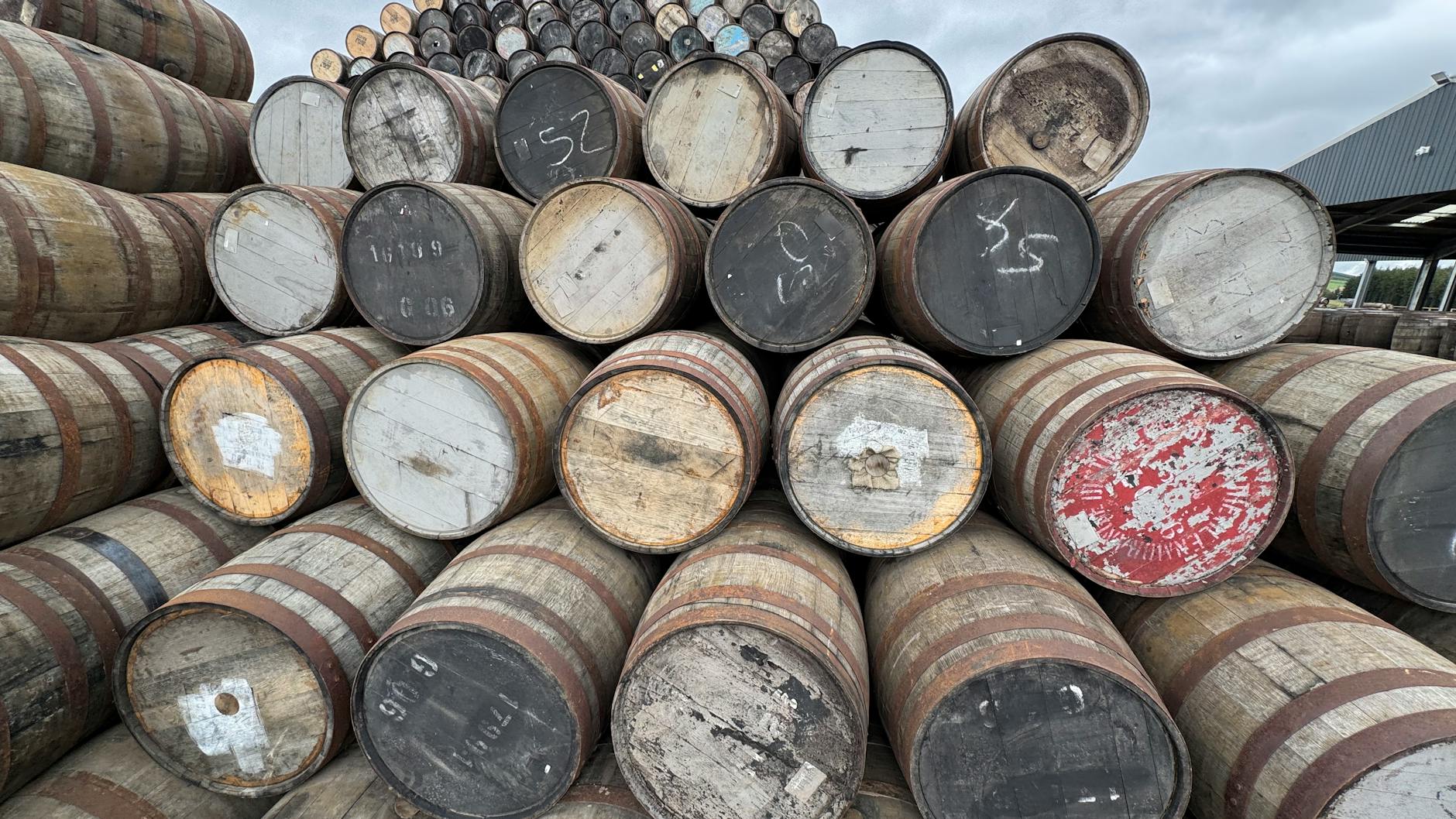
Strong Bordeaux auction performance signals sustained collector appetite for provenance-led liquid assets. The whisky secondary market is watching closely, with cask investors and auction platforms both noting the crossover relevance for aged Scotch valuations.
Bordeaux Auction Momentum Sends a Signal to the Whisky Secondary Market
As the fine wine world accelerates into its annual en primeur season, fresh auction data from iDealwine confirms that Bordeaux's top cuvées are holding firm — and in several cases strengthening — on the secondary market. While whisky and wine operate in distinct collector ecosystems, the broader auction dynamics at play carry direct relevance for anyone tracking cask values, rare bottle performance, and the appetite of high-net-worth buyers in the secondary spirits market. When prestige liquid assets command attention at auction, the confidence it signals tends to bleed across categories, and whisky has consistently benefited from that crossover enthusiasm in recent years.
The iDealwine data, released ahead of the 2025 vintage campaign, shows sustained demand for first-growth and super-second Bordeaux across European auction platforms. Crucially, this is not speculative froth — it reflects actual hammer prices for aged stock, with buyers willing to commit serious capital to bottles with established provenance and track records. That discipline mirrors exactly what the most active whisky auction participants have been demonstrating since 2023: a flight to quality, a preference for documented cask history, and a wariness of over-hyped releases with thin secondary market depth.
What the Whisky Auction Market Is Doing Right Now
Whisky auction volumes on platforms including Whisky Auctioneer, Scotch Whisky Auctions, and Catawiki have continued to reflect a bifurcated market through the first quarter of 2026. Independent bottlings from respected houses — Gordon and MacPhail, Signatory, Cadenhead's — have held their ground, while distillery official bottlings from Speyside and Highland producers with strong brand equity continue to attract competitive bidding. The divergence between premium and mid-tier lots has sharpened considerably, with buyers concentrating spend on bottles that carry age statements, named distillery provenance, and limited release credentials rather than spreading bids across speculative NAS releases.
Parallel to this, the cask investment segment has seen renewed institutional interest following a period of consolidation. Several brokers active in the Scotch single cask space have reported increased enquiries from family offices and smaller wealth managers who are benchmarking whisky casks against alternative asset classes — including, notably, fine wine. The Bordeaux auction story feeds that conversation directly: it reinforces the case that aged, provenance-verified liquid assets retain value when the broader collector market is cautious.
Trade Context
The whisky auction market's relationship with fine wine is structural rather than coincidental. Many of the same platforms, auction houses, and high-net-worth collector networks that move Bordeaux futures also engage with rare whisky. Bonhams, Christie's, and Hart Davis Hart have all expanded their whisky auction presence over the past five years, recognising that the collector demographic overlaps significantly. When Bordeaux performs well at auction, it validates the category logic that aged, scarce, provenance-rich liquid deserves serious secondary market attention — and that argument transfers directly to aged Scotch, particularly single malts from distilleries with constrained output.
- Producer / Distillery: Cross-category relevance — Scotch single malt, independent bottlers, cask brokers
- Category: Scotch Whisky / Cask Investment / Secondary Market
- Market implication: Bordeaux auction strength reinforces collector confidence in provenance-led liquid assets, supporting cask valuations and premium bottle prices in the whisky secondary market
Why It Matters to Whisky Investors and Collectors
The key takeaway for whisky trade professionals and cask investors is not that Bordeaux and Scotch are interchangeable — they are not. The production economics, maturation timelines, and regulatory frameworks differ substantially. What matters is the signal: serious secondary market buyers are still deploying capital into aged, verified, scarce liquid assets even in a high-interest-rate environment where speculative alternatives have cooled. That is a meaningful data point for anyone holding casks or managing a whisky collection with an eye on eventual realisation.
Distilleries and independent bottlers should also take note of what drives Bordeaux's auction resilience: transparency of provenance, consistent quality signalling, and a secondary market that rewards patience over speculation. The Scotch industry has made progress on all three fronts, but inconsistency in cask documentation and a still-fragmented broker landscape remain friction points. As institutional money continues to look at whisky through the same lens it applies to fine wine, those structural gaps will become increasingly costly to ignore. The Bordeaux story, in short, is not just a wine story — it is a prompt for the whisky trade to sharpen its own market infrastructure.
Frequently Asked Questions
How does the Bordeaux auction market affect whisky cask values?
Directly, it does not set whisky cask prices. Indirectly, strong Bordeaux auction performance reinforces confidence among collectors and investors in provenance-led liquid assets more broadly. When fine wine holds value at auction, it supports the broader narrative that aged, scarce, well-documented spirits — including Scotch single malt casks — deserve serious consideration as alternative assets.
Which whisky auction platforms are most active in 2026?
Whisky Auctioneer, Scotch Whisky Auctions, and Catawiki remain the dominant online platforms by volume. Bonhams and Christie's continue to handle high-value single-lot and collection sales, particularly for aged single malts and rare independent bottlings. Hammer prices on these platforms serve as the most reliable real-time indicator of secondary market sentiment.
What types of whisky are performing best at auction right now?
Age-stated single malts from well-regarded Speyside and Highland distilleries, independent bottlings from established houses such as Gordon and MacPhail and Cadenhead's, and limited releases with documented provenance are all commanding the strongest prices. NAS releases and speculative distillery-branded bottlings without strong secondary market history are underperforming relative to the broader market.
Is cask investment still attracting institutional interest in 2026?
Yes, though the market has matured significantly since the peak speculation of 2021 to 2022. Family offices and smaller wealth managers are approaching cask investment with greater due diligence, benchmarking returns against fine wine and other alternative assets. Brokers who can provide rigorous documentation, independent valuation, and transparent exit routes are attracting the most serious capital.
What does the whisky trade need to do to compete with fine wine for collector capital?
The priority areas are provenance documentation, standardised cask valuation methodology, and a more coherent secondary market infrastructure. Fine wine benefits from decades of established auction records, appellation frameworks, and critic scoring systems that provide buyers with confidence. The Scotch industry has the liquid quality — closing the infrastructure gap is the work still to be done.