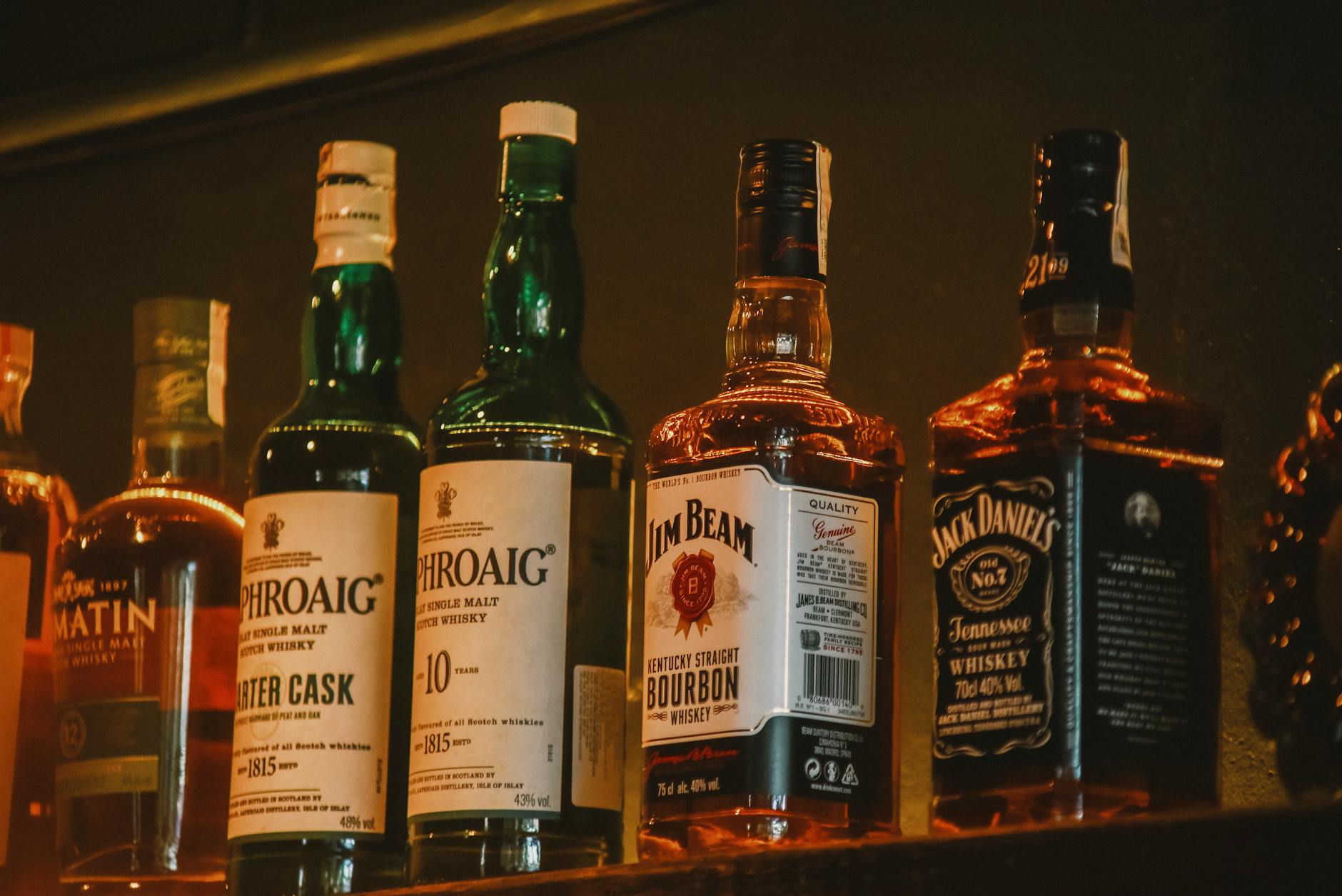
Atom Brands has launched a Scotch whisky range dedicated to the rare worm tub condenser. This method, used by fewer than 20 distilleries, creates a meaty, robust spirit. The release positions worm tub character as a distinct, collectible category for enthusiasts and investors.
Worm Tub Whiskies Step Into The Commercial Spotlight
Atom Brands, the London-based drinks company behind a growing portfolio of spirits labels, has launched a dedicated range of Scotch whiskies paying direct homage to the worm tub condenser — one of the most archaic and increasingly rare pieces of distilling equipment still in active use across Scotland. The release marks a deliberate commercial bet that a significant segment of whisky consumers and collectors are ready to engage with production method as a primary purchase driver, rather than simply brand heritage or age statement. It is a calculated move, and one that the broader trade would do well to watch closely.
Worm tub condensers — coiled copper pipes submerged in open-air water tanks — produce a fundamentally different spirit character compared to the now-dominant shell-and-tube condenser. The extended copper contact time in a shell-and-tube system strips out a greater proportion of sulphur compounds, yielding a lighter, cleaner new make. Worm tubs, by contrast, allow heavier congeners to survive into the final spirit, producing the meaty, robust, sometimes almost savoury character that defines distilleries such as Mortlach, Springbank, and Craigellachie. Fewer than 20 Scottish distilleries still operate worm tubs as standard, making the equipment — and the spirit it produces — a genuine rarity in production terms.
Trade Context
Atom Brands has built its reputation on concept-led bottlings that speak directly to engaged whisky consumers rather than the casual gift buyer. Its existing portfolio includes the acclaimed That Boutique-y Whisky Company, which has long favoured transparency around distillery sourcing, production methods, and cask provenance. This new worm tub range follows a similar philosophy: lead with process, back it up with liquid, and trust that the market will reward specificity over vagueness. The company sources whisky from across Scotland's distillery network, and while individual distillery names for this range have not been fully disclosed at launch, the focus on worm tub production narrows the field considerably given how few sites still use the equipment.
- Producer / Bottler: Atom Brands (That Boutique-y Whisky Company)
- Category: Scotch Whisky — Single Malt and potentially blended malt expressions
- Production focus: Worm tub condenser distilleries, fewer than 20 currently operating in Scotland
- Market implication: Positions condenser type as a collectible and commercially distinct category, potentially influencing cask valuations for worm tub distillate
The timing is not incidental. Interest in production-method-led whisky has accelerated meaningfully over the past three to four years, driven partly by the sulphur debate — specifically, the growing appreciation among enthusiasts for the matchstick and meaty notes that worm tub spirit can carry. Distilleries such as Craigellachie have leaned into this positioning aggressively, and the secondary market has responded. Bottles from confirmed worm tub distilleries now routinely command premiums at auction that reflect not just age or cask type, but the perceived irreplaceability of the production method itself.
Why It Matters To The Whisky Trade
For cask investors and independent bottlers operating in the secondary sourcing market, this release sends a clear signal: worm tub distillate is being actively reframed as a distinct and premium sub-category of Scotch. When a commercially sophisticated operator like Atom Brands builds an entire range around a single piece of equipment, it does not happen by accident. It reflects consumer data, secondary market trends, and a read on where collector appetite is moving. The practical consequence is that casks of confirmed worm tub spirit — particularly from lesser-publicised distilleries that have not yet built strong brand recognition around their condenser type — may see increased competition from both independent bottlers and private investors over the coming years.
There is also a broader preservation argument embedded in this commercial strategy. Several distilleries have replaced worm tubs with shell-and-tube condensers in recent decades, citing efficiency and consistency. By creating commercial demand specifically for worm tub character, bottlers like Atom Brands generate a financial incentive for distilleries to retain the older equipment. This is not altruism — it is market logic — but the outcome may well be the preservation of production diversity that Scotland's whisky industry would otherwise struggle to justify on cost grounds alone. For the trade, that is a meaningful development worth tracking beyond the immediate bottle release.
Frequently Asked Questions
What is a worm tub condenser and how does it differ from modern alternatives?
A worm tub condenser is a coiled copper pipe submerged in an open-air water tank, used to cool and condense spirit vapour after distillation. Compared to the more common shell-and-tube condenser, it provides less copper contact during condensation, allowing heavier sulphur compounds and congeners to survive into the new make spirit. The result is typically a meatier, more robust and sometimes savoury whisky character.
Which Scottish distilleries still use worm tub condensers?
Fewer than 20 Scottish distilleries currently operate worm tub condensers as standard. Known examples include Mortlach, Springbank, Craigellachie, Dalwhinnie, and Edradour, among others. The equipment is considered archaic by modern production standards, and several distilleries have decommissioned their worm tubs in favour of more efficient alternatives over recent decades.
Why does condenser type matter for cask investors?
Condenser type directly influences spirit character, and as collector appreciation for worm tub distillate grows, casks of confirmed worm tub spirit are increasingly attracting premium valuations at auction and in private sales. The scarcity of operating worm tub distilleries adds a supply constraint that reinforces long-term value arguments for investors holding such casks.
Who is Atom Brands and what other whisky labels do they operate?
Atom Brands is a London-based spirits company best known for operating That Boutique-y Whisky Company, an independent bottler recognised for concept-led releases, transparent sourcing, and detailed production information on its labels. The company has built a reputation for engaging seriously with whisky enthusiasts and collectors rather than targeting the mainstream gift market.
Could this release influence distilleries to retain worm tub equipment?
Potentially, yes. By creating demonstrable commercial demand for worm tub character as a distinct and premium product category, independent bottlers like Atom Brands provide a financial rationale for distilleries to maintain older, less efficient equipment. This market-led preservation argument may carry more weight with distillery owners than heritage considerations alone.