Andrew Lloyd Webber's charity wine auction raised over £500,000 with every lot sold. The 100% sell-through rate signals strong collector demand for provenance-backed assets — a trend with direct implications for premium whisky auctions and cask investors.
Rare Wine Auction Signals Broader Collector Appetite That Whisky Traders Should Watch
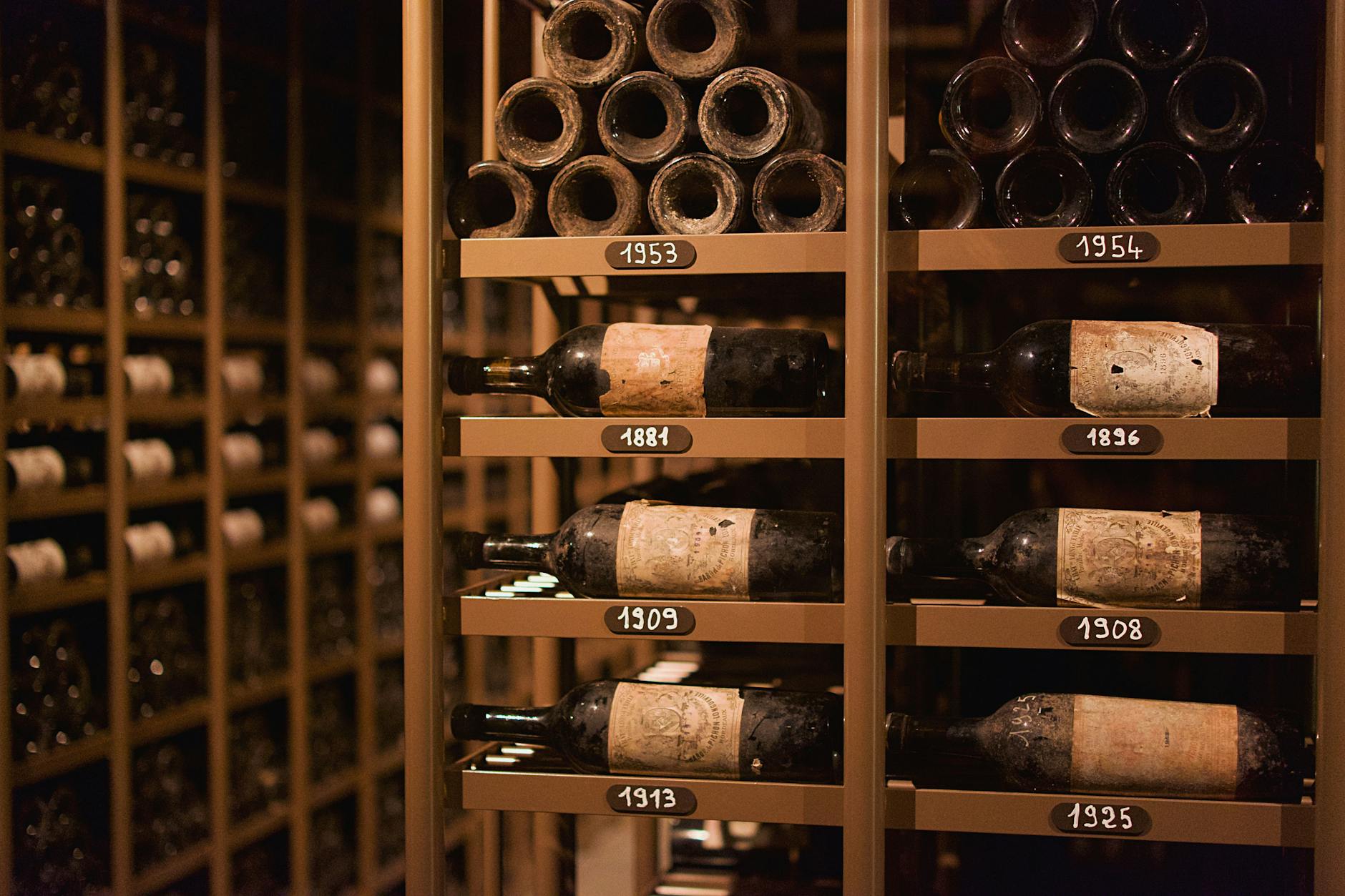
A high-profile charity auction of rare wines from the cellar of composer Andrew Lloyd Webber has raised more than £500,000, with every single lot finding a buyer — including a bottle of Château Margaux 1900 that drew fierce bidding from serious collectors. While the event was firmly rooted in the fine wine world, the result carries clear signals for the rare spirits and whisky auction market, where comparable dynamics of provenance, scarcity, and collector sentiment are driving record hammer prices across single malt and aged blends. For whisky trade professionals and cask investors tracking where discretionary wealth is flowing, a clean sell-through rate at this level is not background noise — it is a data point worth logging.
Trade Context
The auction drew attention not just for its headline figure but for what it demonstrated about the current appetite among high-net-worth collectors for tangible, provenance-backed assets. Every lot sold — a sell-through rate that auction houses handling rare whisky would recognise as exceptional and increasingly difficult to replicate in softer market conditions. The Lloyd Webber collection carried the kind of authenticated provenance and storage history that commands premiums, and those same criteria are exactly what serious whisky buyers now apply when evaluating aged single malts, pre-1980s distillery bottlings, or independently bottled rarities from closed distilleries.
- Category: Fine wine auction with direct implications for rare spirits and whisky collector markets
- Market implication: 100% sell-through rate confirms strong collector demand for provenance-backed tangible assets, a trend mirrored in premium whisky auction results throughout 2024 and into 2025
- Auction house context: Results of this kind reinforce confidence among specialist whisky auctioneers that the top tier of the market — aged, authenticated, and well-documented bottles — remains resilient despite broader economic headwinds
- Charity dimension: The philanthropic framing attracted bidders who might not have entered a purely commercial sale, a tactic increasingly used in whisky charity lots to drive above-estimate results
The crossover between fine wine and rare whisky collectors is well-documented. Many of the same buyers who pursue first-growth Bordeaux at auction also hold whisky portfolios spanning aged Macallan, pre-war Springbank, and single-cask releases from distilleries now silent or heavily restricted in output. When wine auction results trend strongly, whisky auction specialists tend to see a corresponding lift in buyer confidence, particularly at the upper end of the price range where both asset classes compete for the same wallet.
Why the Whisky Trade Should Pay Attention
For cask investors and bottled whisky collectors, the Lloyd Webber auction result is a useful barometer. The fine wine and rare spirits markets share infrastructure — the same auction houses, the same storage and insurance specialists, and increasingly the same pool of international buyers operating across both categories. A strong result in one segment often precedes renewed activity in the other, particularly when the sell-through rate is as clean as this one. Whisky auction houses including Scotch Whisky Auctions, Whisky Auctioneer, and the specialist departments at Sotheby's and Christie's will be watching closely, as will independent bottlers and distilleries considering timed-release strategies for aged stock.
The charity element also deserves scrutiny from a trade perspective. Charitable auctions have become a reliable mechanism for achieving above-market prices on rare lots, because the philanthropic context attracts bidders motivated by more than pure investment calculus. Several Scottish distilleries — among them The Macallan, Glenfarclas, and Springbank — have used charity auction formats to release aged or unique casks, consistently achieving results that exceed standard secondary market valuations. The Lloyd Webber event reinforces that this model works at the very top of the collector market, not just for modest charity lots.
The broader implication for the whisky cask market is one of continued confidence at the premium end. While mid-tier cask valuations have faced pressure from oversupply concerns and shifting investor sentiment over the past 18 months, the market for genuinely rare, well-documented, and aged whisky assets has held firm. Auction data from 2024 showed that bottles with clear provenance chains and authenticated storage histories consistently outperformed generic aged releases. The Lloyd Webber result — built entirely on provenance, rarity, and collector trust — maps directly onto that dynamic. Whisky traders and cask brokers would do well to treat it as confirmation that the fundamentals driving premium collector markets remain intact, even as the broader alternative asset environment continues to recalibrate.
Frequently Asked Questions
Why does a wine auction result matter to the whisky trade?
Fine wine and rare whisky share the same collector base at the top end of the market. Strong sell-through rates and above-estimate results in wine auctions tend to signal broader collector confidence, which frequently translates into renewed activity in premium whisky auction rooms. The two categories compete for the same discretionary capital among high-net-worth buyers.
What does a 100% sell-through rate indicate about market conditions?
A complete sell-through means every lot found a buyer, with no unsold or passed lots. In auction terms, this signals strong demand relative to supply, well-calibrated estimates, and motivated bidders. For whisky specialists, it is a benchmark worth noting — many sales see 10-20% of lots go unsold, so a clean sweep at this price level is a meaningful market signal.
How do charity auctions affect pricing for rare whisky?
Charity auctions typically attract a broader and more emotionally engaged bidder pool, which can push hammer prices above standard secondary market levels. Several major Scottish distilleries have used this format to release aged or unique casks at premium valuations. The philanthropic context reduces the purely transactional nature of bidding and often results in above-estimate outcomes.
Which whisky auction houses are most active in the premium segment?
Scotch Whisky Auctions and Whisky Auctioneer handle high volumes of rare bottlings in the UK market, while Sotheby's and Christie's operate dedicated spirits departments for the most valuable single lots. Bonhams also maintains an active whisky sale calendar. At the very top end — bottles exceeding five figures — the major international auction houses increasingly dominate.
Does provenance really affect whisky auction values?
Provenance is now one of the primary value drivers in the premium whisky auction market. Bottles with documented storage history, original receipts, or direct distillery provenance consistently outperform comparable releases without that paper trail. Authentication concerns following high-profile forgery cases have made buyers significantly more rigorous, and well-documented lots command measurable premiums as a result.