
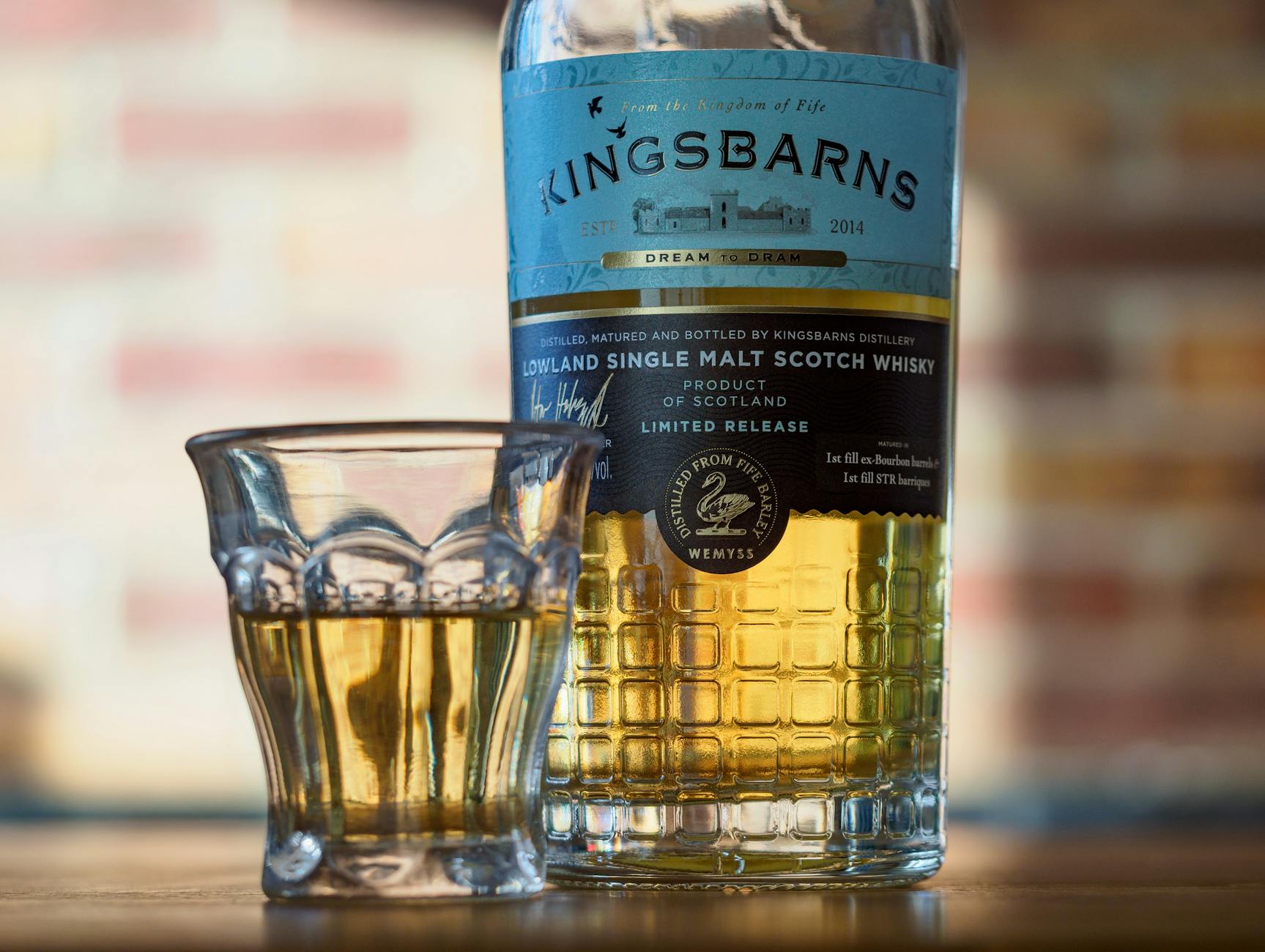
The American whiskey industry faces market saturation and shifting Gen Z tastes, similar to past craft beer struggles. Education and premium segments provide resilience. Leaders remain optimistic about its long-term strength despite short-term inventory challenges.

American whiskey finds itself in an intriguing crossroads in 2024, facing challenges reminiscent of the craft beer industry’s struggles from a few years ago. The parallels are striking: over-innovation, rising production, and shifting consumer habits have created a dynamic yet uncertain landscape.
Overcrowded Shelves, Selective Buyers
Post-pandemic, the whiskey market has seen consumers pull back on experimenting, favoring trusted bottles over novelty. Meanwhile, the industry’s expansion—marked by facilities like Whiskey House, capable of producing 112,000 barrels annually—has resulted in supply surpluses and saturated shelves.
“You don’t need eight new expressions every year,” says Holly Seidewand, founder of First Fill Spirits, highlighting how over-innovation mirrors craft beer’s downfall. Yet, the industry retains a unique edge, with whiskey enthusiasts still investing in premium bottles and niche labels despite the economic downturn.
A New Generation, A New Palate
The rise of Gen Z drinkers signals both challenges and opportunities. Unlike Millennials, who embraced bourbon, Gen Z leans toward canned cocktails and alternative spirits. Yet industry veterans see potential, betting that today’s peanut-butter whiskey enthusiasts will mature into connoisseurs of premium labels.
Education Fuels Resilience
From distillery tours to online resources, today’s whiskey consumers are better informed than ever. This knowledge drives a sustained interest in the category. “People aren’t just buying; they’re asking about mash bills and aging processes,” says Alex Guerra, COO of Breakwater Hospitality Group.
The Long View
Despite short-term hurdles, industry insiders remain optimistic. David Mandell, CEO of Whiskey House, sums it up: “Short-term, there are road bumps with excess inventory. Long-term, the fundamentals of the American whiskey market are strong.”
As the industry navigates this period of recalibration, one thing is clear: whiskey’s rich heritage and evolving innovation will ensure it remains a cornerstone of American culture.
Discover more about whisky casks and promotions at whiskybulletin.com.
Frequently Asked QuestionsWhat are the main challenges facing the American whiskey industry in 2024?
The industry faces overcrowded shelves, supply surpluses from increased production, and consumers pulling back on experimentation in favor of trusted brands.How is Gen Z impacting the whiskey market?
Gen Z drinkers are initially leaning toward canned cocktails and alternative spirits, but the industry hopes they will mature into premium whiskey consumers.Why are industry insiders still optimistic about American whiskey?
Despite short-term inventory issues, the fundamentals are strong due to educated consumers, sustained interest in premium bottles, and whiskey's cultural heritage.How does the current whiskey market compare to the craft beer industry?
It shows parallels with craft beer's past struggles, including over-innovation and market saturation, but retains unique resilience through its enthusiast base.
Frequently Asked QuestionsWhat are the main challenges facing the American whiskey industry in 2024?
Market saturation, supply surpluses from increased production, and consumers favoring trusted brands over experimentation.How is Gen Z impacting the whiskey market?
Gen Z initially prefers canned cocktails and alternative spirits, but the industry hopes they will mature into premium whiskey consumers.Why are industry leaders optimistic about American whiskey's future?
Due to strong fundamentals: educated consumers, sustained interest in premium bottles, and whiskey's enduring cultural heritage.How does the current whiskey market compare to the craft beer industry?
It shows similar struggles with over-innovation and saturation but has unique resilience through a dedicated enthusiast base.