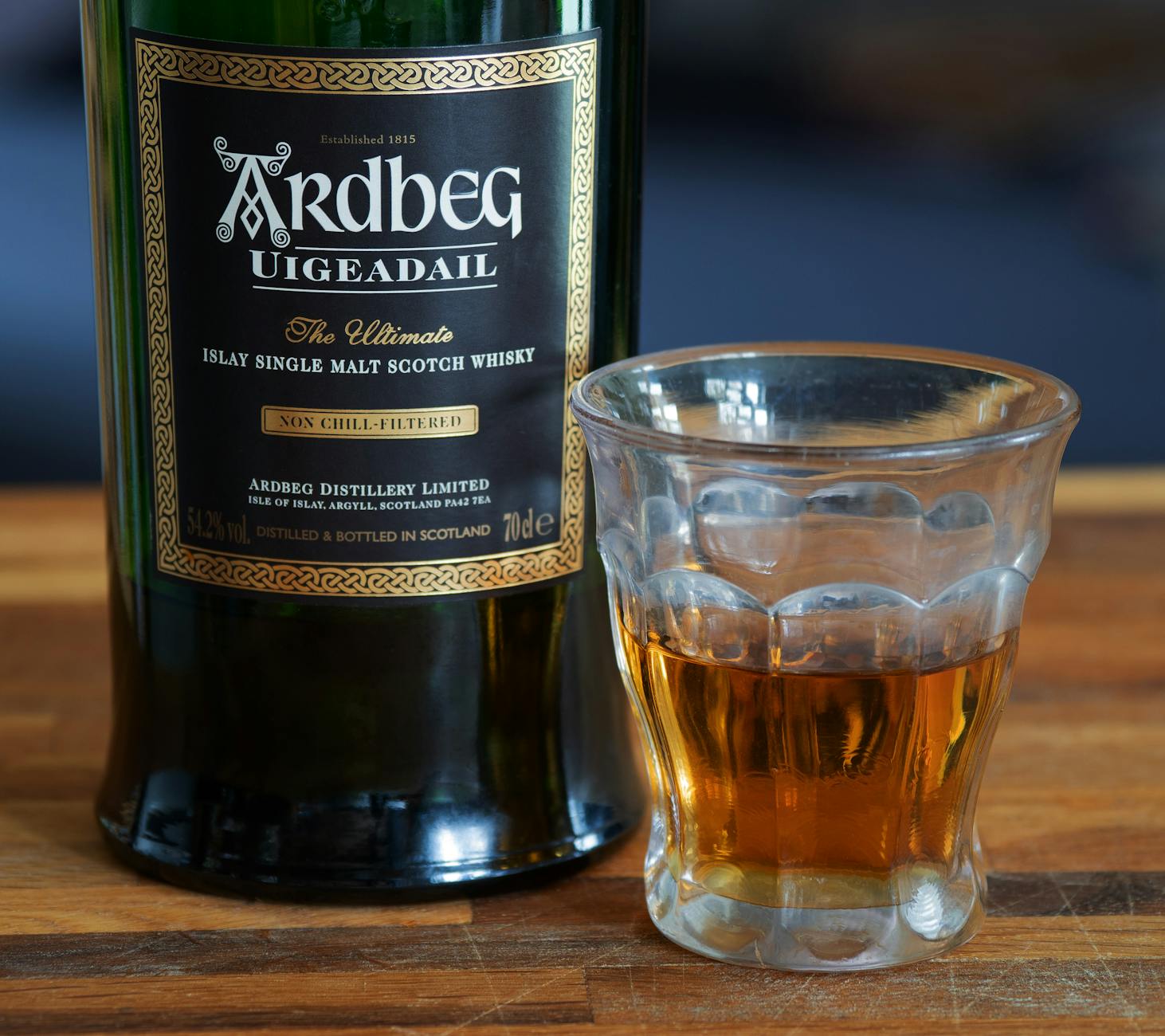
The world of whisky cask investment is filled with stories of extraordinary returns, but it is also clouded by whispers of fraudulent brokers and opaque valuations. This landscape of high potential and hidden pitfalls leaves many discerning investors asking the same critical question: is whisky a good long term investment? The allure of owning a tangible asset-one that matures and appreciates with time-is undeniable. Yet, navigating this exclusive market requires more than just capital; it demands knowledge, foresight, and a trusted guide to separate genuine opportunity from marketing hype.
This definitive guide is crafted to provide that clarity and confidence. We move beyond simple answers to explore the compelling returns, inherent risks, and strategic approach required to build a legacy with this unique asset class. You will gain a clear understanding of what drives a cask’s value over time, how to identify a partner with unimpeachable provenance, and the crucial steps for ensuring liquidity when you decide to sell. Consider this your essential framework for successfully adding the craftsmanship and heritage of cask whisky to your portfolio.
Key Takeaways
- Grasp the fundamental drivers of cask appreciation: the spirit’s natural maturation process and the powerful principle of increasing scarcity.
- To determine if is whisky a good long term investment for your portfolio, you must first understand the strategic difference between investing in production (casks) versus the finished product (bottles).
- Navigate the unregulated cask market with confidence by learning to identify the hallmarks of a trustworthy and transparent investment partner.
- Adopt the essential mindset for success by framing your cask ownership as a legacy-building tangible asset with a required investment horizon of five to ten years or more.
The Case for Whisky as a Long-Term Tangible Asset
In the world of sophisticated portfolio management, discerning investors increasingly look beyond traditional stocks and bonds. Whisky cask ownership represents a premier opportunity in this space-a direct investment in a tangible asset with a rich heritage. Unlike financial instruments, owning a cask of premium Scotch means you own the physical liquid as it matures. This positions it as a compelling alternative investment, an asset class prized for its low correlation to volatile public markets. Its value is driven by craftsmanship, age, and rarity, providing a unique layer of diversification and stability.
Historical Performance and Market Growth
The historical data underscores the potential of this asset. According to the Knight Frank Luxury Investment Index, rare whisky has demonstrated remarkable appreciation, outperforming many other luxury collectibles over the last decade with gains of over 300%. This consistent growth is not speculative; it is fueled by a burgeoning global demand for premium, aged single malt Scotch. As emerging markets in Asia and the Americas develop a taste for luxury goods with provenance, the demand for finite, high-quality stock continues to outpace supply, driving long-term value.
Why Tangible Assets Diversify a Portfolio
For investors asking, is whisky a good long term investment?, the answer often lies in its inherent security. Owning a physical cask, fully insured and stored in a bonded warehouse, provides a sense of security that purely digital assets cannot. This tangible nature makes it an exceptional store of value. As currency fluctuates and inflation erodes purchasing power, a cask of maturing whisky acts as a powerful hedge. Its value is intrinsically tied to its age and scarcity-qualities that only improve over time, creating a legacy asset for the future.
Understanding the Core Drivers of Cask Value Appreciation
At the heart of whisky cask investment lies a simple, powerful principle: time transforms the spirit into something of greater value and complexity. Unlike other commodities, a cask of premium whisky is a tangible asset that is constantly improving. Answering the question of is whisky a good long term investment requires a deep appreciation for the three fundamental pillars that drive its value: maturation, rarity, and the quality of the cask itself.
The Magic of Maturation: How Age Creates Value
A newly filled cask holds a raw, clear spirit. Over years, the oak cask breathes, interacts with the liquid, and imparts its signature character. This is where the magic happens. The wood bestows colour, removes harshness, and adds layers of complex flavour-from vanilla and caramel to rich spice and dried fruit. As the whisky reaches key age milestones (10, 12, 18, and 25 years), it crosses significant value thresholds, becoming more sought-after by connoisseurs and bottlers alike. The liquid inside is a constantly evolving, finite resource whose quality and value are in a state of perpetual enhancement.
The Power of Provenance and Rarity
A cask’s origin, or provenance, is paramount. Casks from distilleries with a stellar reputation, such as The Macallan or Glenlivet, carry an inherent premium. Even more prized are casks from ‘silent’ distilleries-those that have closed their doors forever, like Port Ellen or Brora. Their finite stock ensures their rarity and value can only increase. This dynamic is further amplified by two factors:
- Consumption: Every bottle opened and enjoyed makes the remaining stock rarer.
- The ‘Angel’s Share’: A small percentage of whisky evaporates through the oak each year. This natural loss reduces the volume but concentrates the spirit and makes what remains even more scarce and precious.
The high value placed on provenance has, unfortunately, also attracted unscrupulous actors, as highlighted in a recent BBC investigation into whisky investment, which underscores the absolute necessity of working with a trusted, transparent partner to secure authentic assets.
The Role of the Cask Itself
The vessel is as crucial as the spirit it holds. The type and quality of the oak cask profoundly influence the whisky’s final character and, therefore, its investment potential. An investor must understand these distinctions. A first-fill cask, used for the first time to mature Scotch, will impart the most vibrant character and is highly desirable. Common cask types include ex-bourbon barrels, which lend notes of vanilla and coconut, and ex-sherry butts, which provide rich, fruity, and spicy profiles. The right cask from the right distillery is the foundation upon which a truly remarkable and valuable spirit is built, forming a critical part of the answer to whether whisky is a good long term investment for your portfolio.

Navigating the Risks: A Transparent Look at the Cask Market
An intelligent investor approaches any opportunity with a healthy dose of scrutiny. Recent critiques of the cask market, while valid in highlighting potential pitfalls, often point to a single truth: in an unregulated space, your choice of partner is paramount. The allure of this tangible asset is not found in ‘get-rich-quick’ schemes but in its measured, long-term maturation of value. Indeed, while the market has its complexities, academic analysis like the University of Pretoria study on whisky investment confirms its potential as a portfolio diversifier. True success is reserved for patient capital.
Mitigating Fraud: Due Diligence and Proof of Ownership
The cornerstone of a secure investment is absolute proof of ownership. Never proceed without receiving a formal Certificate of Ownership and a Delivery Order in your name. These documents legally transfer the cask to you, separating your asset from the broker’s. Furthermore, insist that your cask is stored in a government-regulated bonded warehouse under your personal account. This ensures your asset is physically secure, accounted for, and indisputably yours.
Understanding True Returns and Hidden Costs
Headline return figures can be misleading if they don’t account for the total cost of ownership. A transparent partner will provide a clear breakdown of all potential fees, which typically include:
- Annual storage and insurance fees.
- Costs associated with re-gauging or sampling the spirit.
- Future bottling costs, should you choose that exit strategy.
- Taxes, such as VAT or Capital Gains, upon sale.
Understanding these costs is essential to accurately forecast your net return and truly answer the question: is whisky a good long term investment for your portfolio?
The Importance of a Clear Exit Strategy
Acquiring a premium cask is only the first step; a clear path to liquidity is just as critical. A reputable partner will not only source your cask but also provide a robust framework for its eventual sale. Key exit strategies include selling to another private investor, to an independent bottler, or bottling the liquid yourself. A partner with a global network is vital, as they provide access to a wider pool of buyers, ensuring you can realise your asset’s value when the time is right.
Casks vs. Bottles: Choosing the Right Path for Long-Term Growth
For the discerning investor, the path to building a whisky legacy presents a crucial choice: acquiring rare bottles or owning the cask itself. This is not merely a tactical decision; it is the fundamental difference between investing in a finished, static product and investing in the very process of its creation. One relies on market sentiment, while the other is rooted in the powerful, value-creating force of maturation.
The Superior Growth Engine of a Maturing Cask
A cask of maturing spirit is a living, appreciating asset. By acquiring a young or new-fill cask, you are securing a tangible asset at its most cost-effective stage. The growth trajectory is not based on speculation but on the fundamental principles of whisky craftsmanship-as the years pass, the liquid develops complexity and, crucially, becomes an increasingly rare, aged spirit. This intrinsic appreciation provides a clear and compelling answer for those asking is whisky a good long term investment.
Challenges of Bottle Investing
Conversely, investing in bottles requires navigating a far more precarious landscape. Success depends less on the predictable magic of maturation and more on speculating which specific releases will capture the imagination of a fickle collector’s market. The challenges for the long-term investor are significant:
- Expertise Required: Identifying the next highly sought-after bottle demands encyclopedic knowledge of distilleries, release histories, and fluctuating market trends.
- Provenance and Condition: The value of a bottle is inextricably tied to its history and physical state. Verifying authenticity and ensuring perfect storage conditions for the seal, label, and fill-level is a constant, costly concern.
- Market Volatility: The secondary bottle market is highly susceptible to auction hype and collector fads, making it a less stable vehicle for steady, predictable growth.
While bottle collecting offers its own rewards, cask ownership provides a more robust foundation for wealth creation. It aligns your investment with the heritage of whisky itself, allowing you to build value rather than simply chase it. For those seeking a strategic and tangible approach to this asset class, the cask is the superior choice. Discover our curated selection of investment-grade casks and begin building your own legacy in liquid gold.
Building a Legacy: The Hallmarks of a Successful Cask Investment
The journey into whisky cask ownership is one of both passion and pragmatism. A successful portfolio is not built on chance, but on a foundation of strategic principles. The most discerning investors understand that true value is cultivated over time. They are patient, they are strategic, and they recognise the indispensable value of expert guidance. It is through this considered approach that a simple purchase of a tangible asset transforms into the cornerstone of a lasting legacy.
Building a small, diversified portfolio of two to three casks from different distilleries or of different ages is a prudent strategy. This approach mitigates risk and allows you to capture growth across various segments of the market, strengthening the foundation of your investment.
Adopting a Long-Term Horizon
The single most important attribute of a cask investor is patience. This is not an asset for a quick ‘flip’; it is an investment in the slow, masterful alchemy of maturation. The greatest returns are realised as the spirit crosses key aging milestones-10, 12, 18 years and beyond. Aligning your timeline with this natural process of value creation is fundamental. It is this commitment to craftsmanship over time that provides a definitive answer to the question, is whisky a good long term investment.
The Power of a Trusted Partner
Navigating the world of cask investment requires deep industry knowledge. A trusted partner is your conduit to this world, providing not just exclusive access but comprehensive, end-to-end management. Their role is to handle the complex logistics, allowing you to focus on your investment vision. This includes:
- Sourcing casks with excellent provenance and potential.
- Secure, fully insured storage in a bonded warehouse.
- Regular sampling, re-gauging, and condition reporting.
- Managing the optimal exit strategy to maximise your return.
Their guidance is critical in helping you curate a portfolio aligned with your personal and financial goals.
So, is whisky a good long term investment? For the investor who values craftsmanship, appreciates the power of time, and seeks to build a tangible legacy, the answer is a resounding yes. It is an opportunity to own a piece of liquid history, a rare asset that matures in both character and value.
Ready to build your legacy? Contact our expert advisors today to begin your journey into cask ownership.
The Final Verdict: Crafting Your Liquid Legacy
The journey through the world of cask ownership reveals that whisky is far more than a passion; it is a formidable tangible asset. We’ve explored how the core drivers of maturation and rarity contribute to significant value appreciation over time. The evidence presented throughout this guide offers a clear answer to the question, is whisky a good long term investment: for the discerning investor with a strategic approach, the potential is undeniable.
However, navigating this exclusive market demands expertise. At Whisky Cask Club, we provide the essential framework for your success. Our members benefit from exclusive access to premium Scotch whisky casks, secure storage in accredited Scottish bonded warehouses, and expert portfolio management complete with clear exit strategy guidance. This is not merely a purchase; it is the beginning of a lasting inheritance.
Begin building your legacy with a whisky cask portfolio.
Frequently Asked Questions
How much capital is required to start investing in a whisky cask?
The entry point for a premium whisky cask investment varies based on the distillery’s provenance and age. We curate opportunities starting from approximately £2,000 for a newly filled cask from a respected distillery. For those seeking access to rarer, more mature casks from iconic producers, the initial capital requirement can extend to £10,000 and beyond. Our advisors work with you to align the investment with your financial goals and portfolio strategy, building a legacy asset.
Is profit from whisky cask investment tax-free?
In the UK, whisky casks are often considered a ‘wasting asset’ by HMRC, as the contents diminish over time due to the Angel’s Share. This classification means that profits from the sale of a cask are typically exempt from Capital Gains Tax (CGT). However, tax laws are complex and subject to change. We strongly advise all our members to seek independent financial advice to understand the specific implications for their personal circumstances and jurisdiction.
What is the ideal holding period for a whisky cask investment?
The ideal holding period truly depends on your strategy for building this tangible asset. A minimum of three to five years is typically required, but the most significant value is often realised after 8, 12, or even 20 years of maturation. The patience required is a key reason why many believe whisky is a good long term investment, as it allows the spirit to develop the profound complexity and rarity that commands premium prices on the global market.
How do I physically own and verify my cask if it’s stored in Scotland?
Your ownership is absolute and meticulously documented. Upon acquisition, you receive a Certificate of Title or a Delivery Order, which legally transfers ownership to you. Each cask is marked with a unique identification number and stored in a government-regulated, bonded warehouse in Scotland. We facilitate complete transparency, providing documentation that verifies your cask’s specific location, number, and provenance, ensuring your tangible asset is secure and accounted for at all times.
What is the ‘Angel’s Share’ and how does it affect my investment?
The ‘Angel’s Share’ is the poetic term for the small amount of whisky-typically around 2% per year-that evaporates naturally through the porous oak cask during maturation. While this means the volume of liquid decreases over time, this process is essential for the whisky’s development. It concentrates the spirit’s flavours and increases its rarity, often leading to a significant increase in the value per remaining litre. This natural loss is a crucial part of the journey to creating a premium spirit.
Can I taste my whisky as it matures in the cask?
Absolutely. Sampling your cask is one of the most rewarding aspects of the ownership journey. We can arrange for a small sample to be drawn from your cask at the bonded warehouse and sent to you. This allows you to personally experience the spirit’s evolution and appreciate the craftsmanship firsthand. It is an exclusive opportunity to connect with your investment on a deeper level, witnessing the development of its character and complexity over the years.
What are the main differences between investing in Scotch, Bourbon, or Japanese whisky casks?
While all represent compelling opportunities, their investment profiles differ. Scotch whisky, with its deep heritage and stringent production laws, is the most established market, offering proven long-term growth and global demand. Bourbon has different aging regulations and a distinct flavour profile, often with shorter maturation cycles. Japanese whisky is famed for its meticulous craftsmanship and rarity, but access to casks is exceptionally limited. We focus on Scotch for its unparalleled legacy and robust secondary market.