Appleton Estate is Jamaica's oldest distillery, producing premium aged rums. Its tropical climate accelerates aging, creating scarce, high-value expressions. The brand competes directly with Scotch and bourbon, attracting collectors and investors with its terroir focus and master blender Joy Spence.
The News
Appleton Estate, Jamaica's oldest continuously operating distillery, continues to command attention from spirits professionals and whisky trade observers alike as the aged rum category pushes further into territory long dominated by Scotch and bourbon. With roots stretching back to 1749, the Nassau Valley estate operates under Campari Group ownership and produces a range of aged expressions that increasingly compete for shelf space, auction lots, and collector interest alongside premium whiskies. For whisky trade readers, the distillery's approach to terroir, long-maturation programmes, and cask management offers both competitive lessons and cross-category investment signals worth tracking.
The aged rum segment has posted consistent double-digit growth across key markets over the past three years, and Appleton Estate sits at the centre of that trajectory. Its portfolio spans from the entry-level Signature Blend through to the 50 Year Old expression, which retailed above $5,000 at launch and now trades at significant premiums on the secondary market. These are price points and maturation statements that place aged Jamaican rum in direct conversation with rare single malt Scotch, and the whisky trade has noticed.
Trade Context
Appleton Estate's production methods carry striking parallels to Scotch whisky traditions, and understanding them helps explain why the brand resonates with whisky collectors. The distillery operates both copper pot stills and a continuous column still on-site, blending distillates of varying character much as a Scotch blending house would. Its water source, the Black River, feeds through limestone — a geological detail that Appleton's master blender, Joy Spence, has long cited as central to the rum's mineral backbone. Spence, who became the first female master blender in the spirits industry when she took the role in 1997, has overseen the distillery's push into ultra-aged releases that demand the same patience and warehousing discipline as a decades-old Scotch programme.
- Producer / Distillery: Appleton Estate, Nassau Valley, Jamaica (est. 1749)
- Category: Aged Jamaican Rum / Spirits — Cross-category relevance to whisky trade
- Owner: Campari Group (acquired via Lascelles deMercado purchase, 2012)
- Market implication: Premium aged rum is absorbing collector and investor capital that previously flowed almost exclusively into Scotch and bourbon
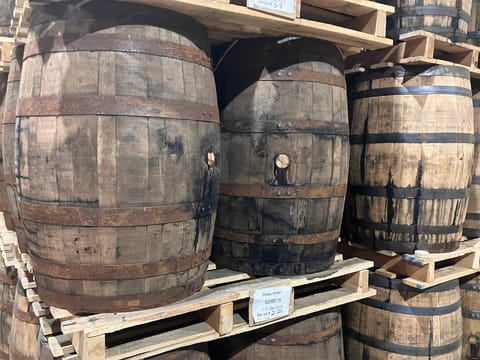
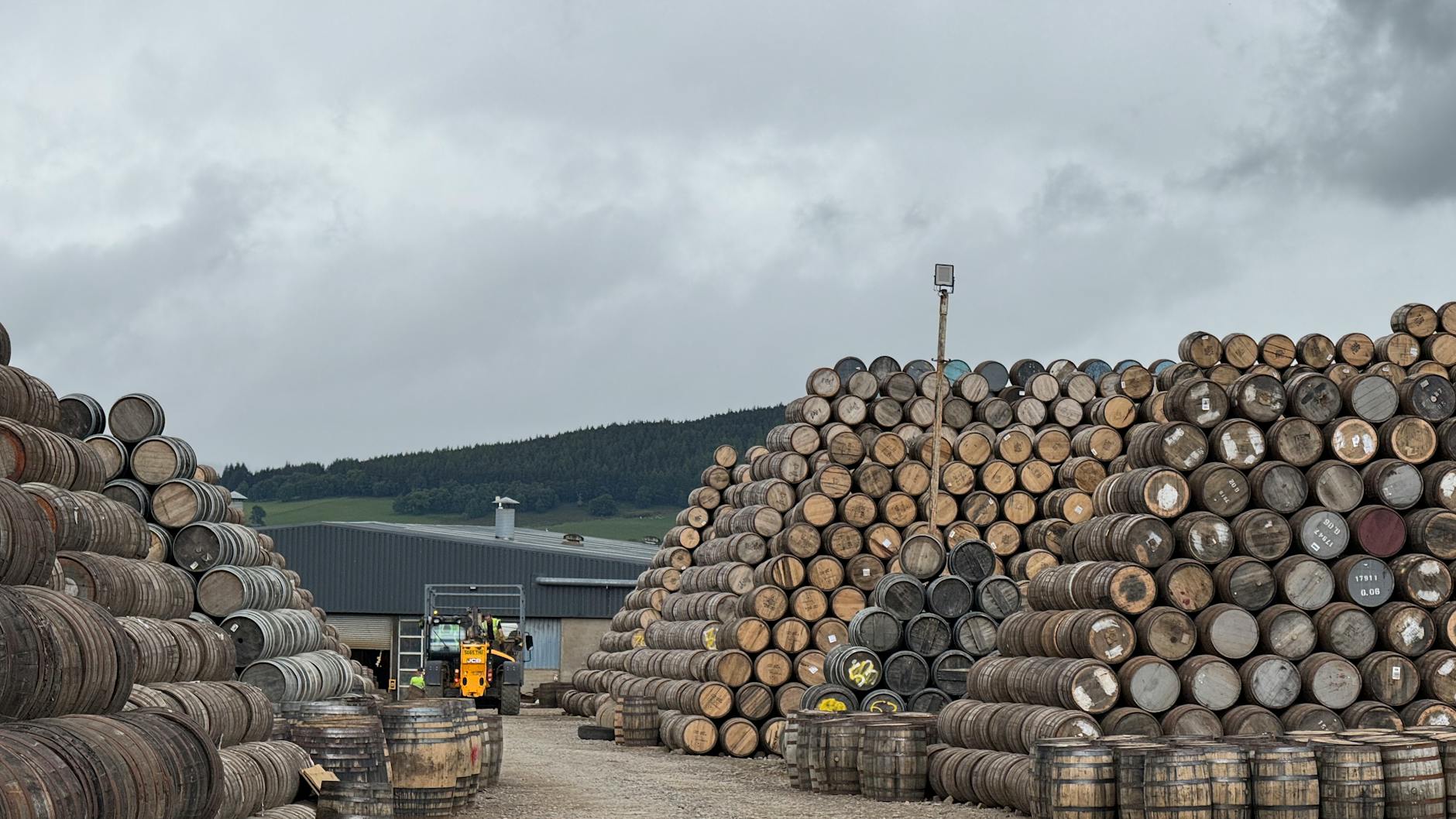
Jamaica's tropical climate accelerates maturation dramatically compared to Scottish warehousing conditions. Appleton estimates its "angel's share" — the portion of spirit lost to evaporation each year — runs between six and eight percent, roughly three to four times the rate typical of a Highland or Speyside warehouse. This means a 21-year-old Jamaican rum has surrendered a far greater proportion of its original cask fill than a 21-year-old Scotch, which partly explains the scarcity and pricing of older expressions. For cask investors familiar with outturns and yield calculations, the arithmetic is sobering: a barrel filled in Jamaica in 2000 will yield dramatically less liquid today than its Scottish equivalent, pushing per-bottle costs sharply upward as age statements climb.
The terroir argument is another point of crossover. Appleton Estate has leaned heavily into the idea that its rum reflects the specific microclimate and soil of the Nassau Valley, a claim that mirrors the single-estate and terroir-driven positioning adopted by distilleries such as Waterford in Ireland and Bruichladdich on Islay. Whether consumers and collectors genuinely taste geography or respond to its narrative power is debatable, but the commercial effect is measurable: terroir-positioned spirits consistently command premiums over brands that lack a provenance story. Appleton's 11,000-acre estate, which grows its own sugarcane, provides a vertically integrated supply chain that few rum producers — and even fewer whisky makers — can match.
Why It Matters
For the whisky trade, Appleton Estate and the broader premium rum category represent both competition and opportunity. Auction houses including Sotheby's and Christie's have expanded their spirits lots to include aged rums alongside single malts and rare bourbons, reflecting genuine buyer demand rather than curatorial novelty. Specialist retailers report that customers who entered spirits collecting through Scotch are diversifying into aged Jamaican rum, drawn by comparable complexity, strong age statements, and what many perceive as a market still in its early innings compared to the mature Scotch secondary market. Campari Group's continued investment in the distillery's aged inventory — warehousing spirit for decades in a climate that punishes patience with steep evaporation losses — signals corporate confidence in sustained demand for ultra-premium aged spirits beyond whisky.
The strategic takeaway is straightforward. Distillery operators, bottlers, and cask investors who treat premium aged rum as a separate world from whisky risk missing a meaningful shift in how collectors and high-end consumers allocate their spending. Appleton Estate's nearly three centuries of continuous operation, its rigorous approach to blending and maturation, and its growing presence at auction all suggest that the lines between aged spirit categories are blurring — and the whisky trade would do well to pay close attention to what is happening in Jamaica's Nassau Valley.
Frequently Asked Questions
Why is Appleton Estate rum compared to Scotch whisky?
Appleton Estate uses similar production methods like copper pot stills, long maturation programs, and a focus on terroir, appealing directly to whisky collectors and competing on shelf space and auction value.
How does Jamaica's climate affect Appleton rum aging?
The tropical climate accelerates maturation, causing an 'angel's share' evaporation rate 3-4 times higher than in Scotland, leading to scarcer, more concentrated older rums and higher per-bottle costs.
Who is Joy Spence and why is she important?
Joy Spence is Appleton Estate's master blender, the first female master blender in the spirits industry, and has overseen the distillery's push into highly sought-after, ultra-aged rum expressions.
What makes Appleton Estate's terroir unique?
The estate's 11,000 acres in the Nassau Valley feature a specific microclimate and limestone-fed water source, which the distillery claims gives its rum a distinct mineral backbone, similar to single-estate whisky narratives.